Shanghai Xianjin Pipeline Equipment Co., Ltd.
News

How Can a High Precision Bevel Cutting Machine Improve Pipe Processing Accuracy and Welding Efficiency

2026-10-10 0 Leave me a message

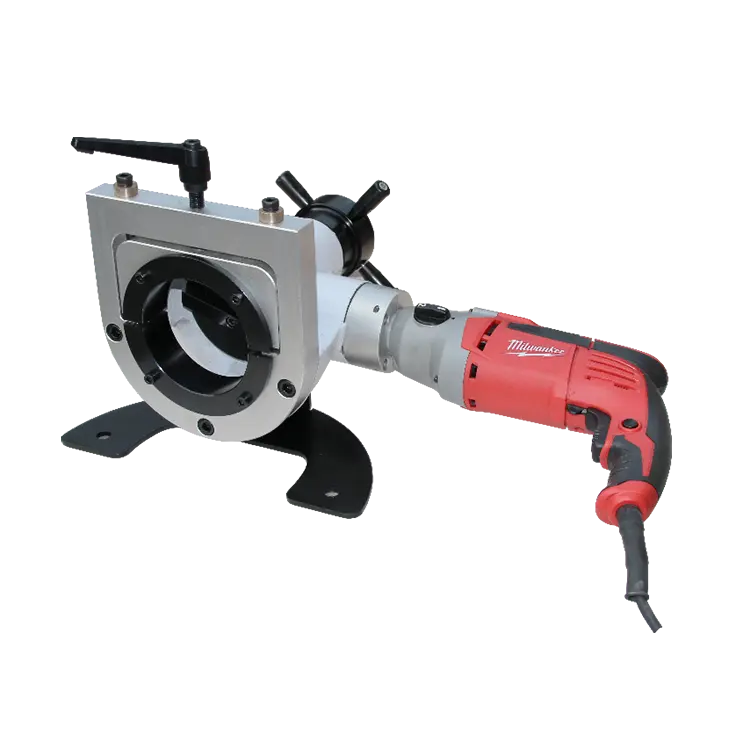
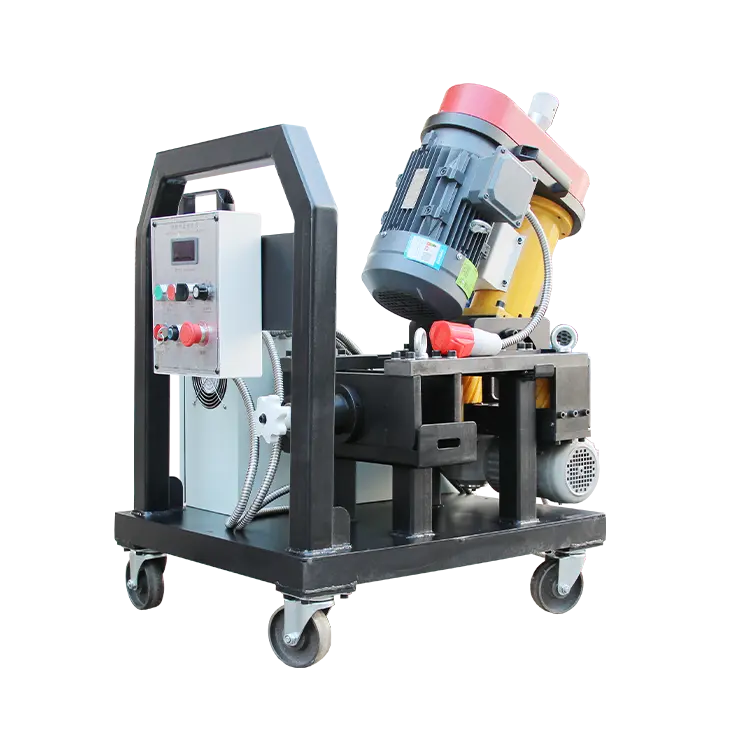
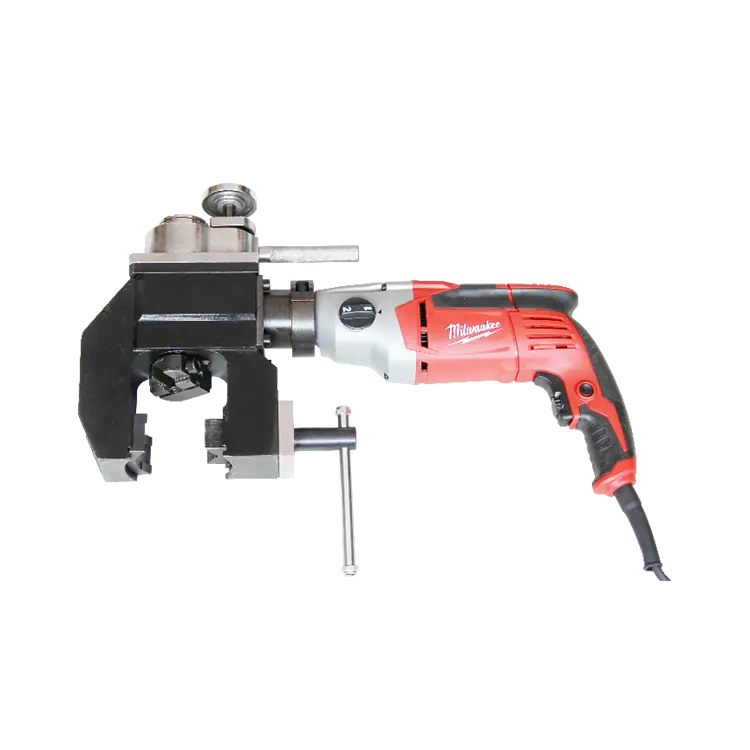
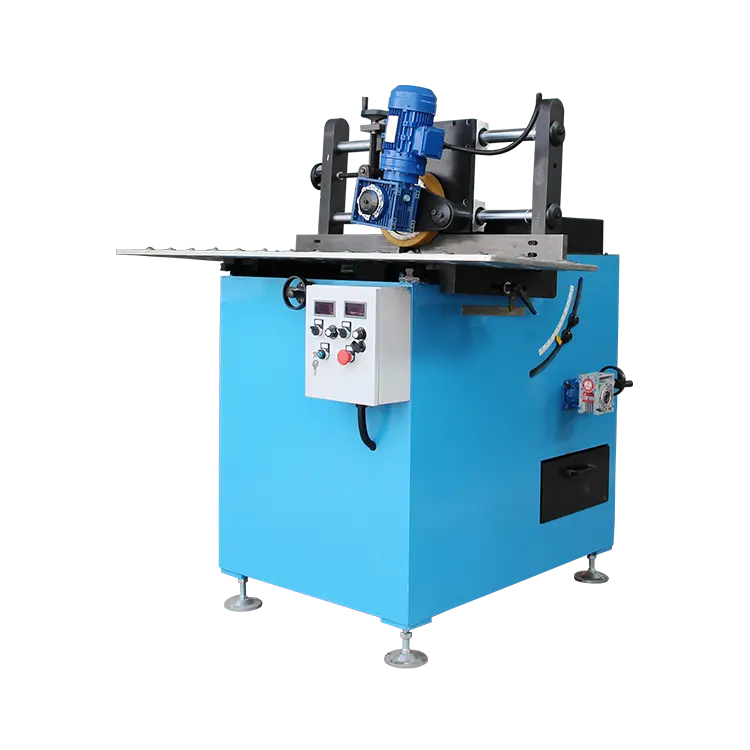
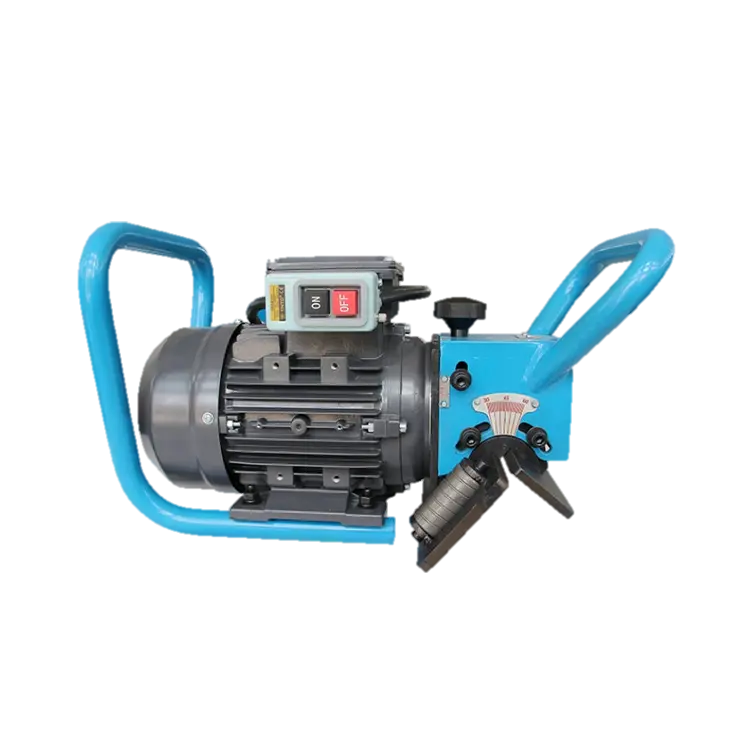
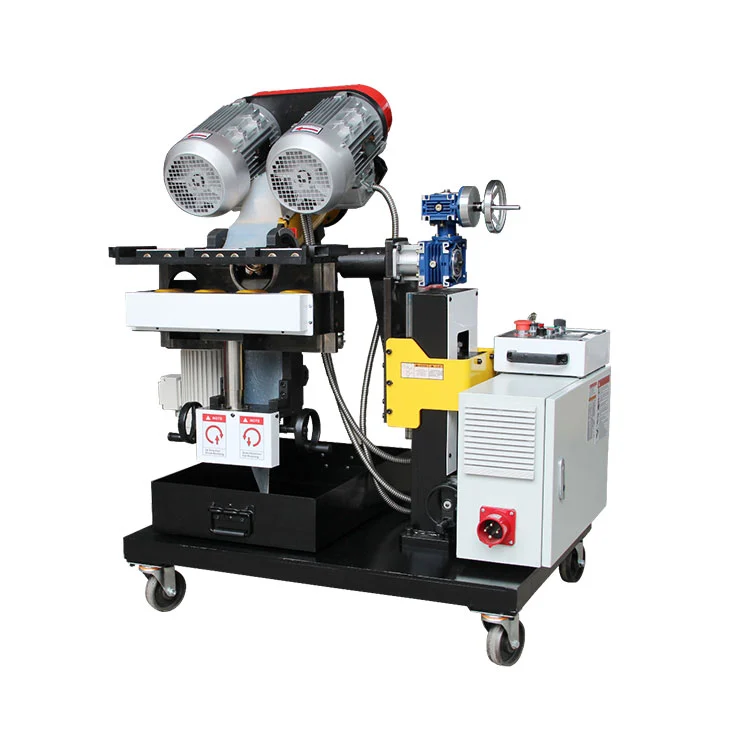
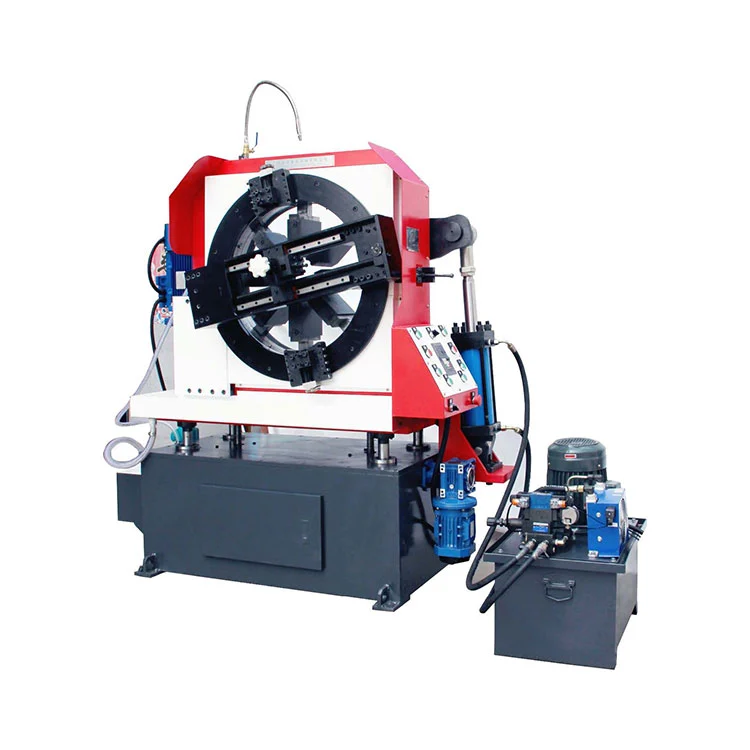
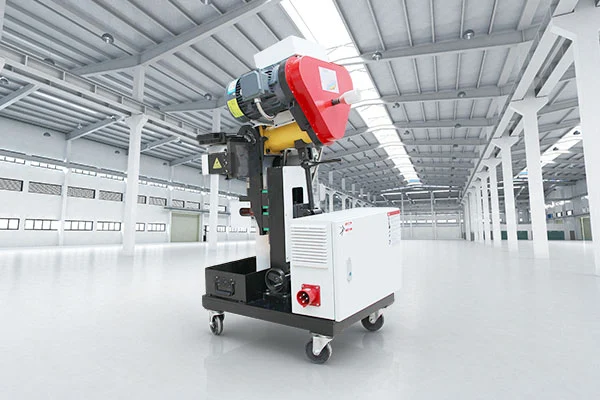
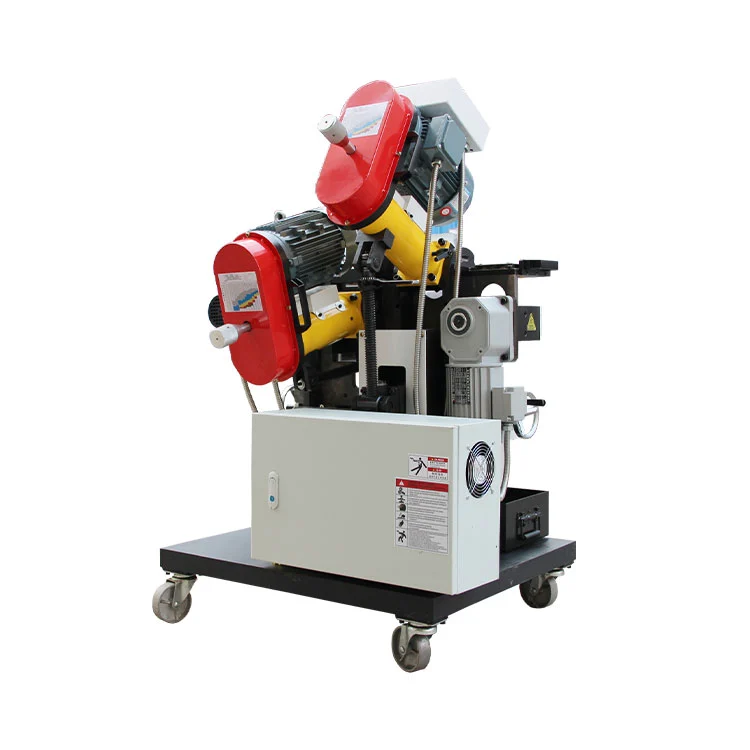
For industrial pipeline projects where accuracy, efficiency, and reliable weld preparation matter, Xianjin provides advanced pipe processing solutions. Its High Precision Bevel Cutting Machine combines precision CNC feeding, integrated skid-mounted construction, and simultaneous cutting and beveling to help manufacturers improve production consistency and reduce on-site installation time.

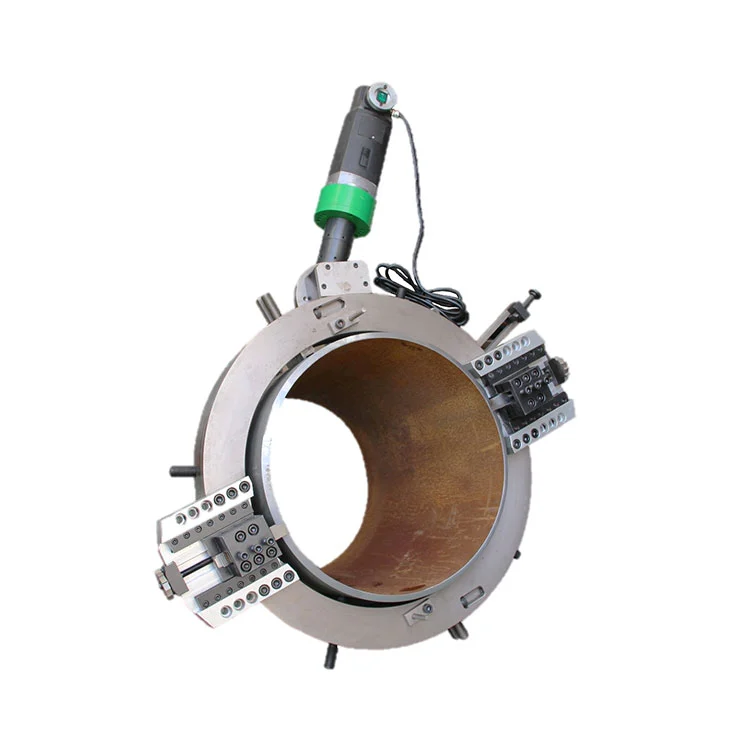
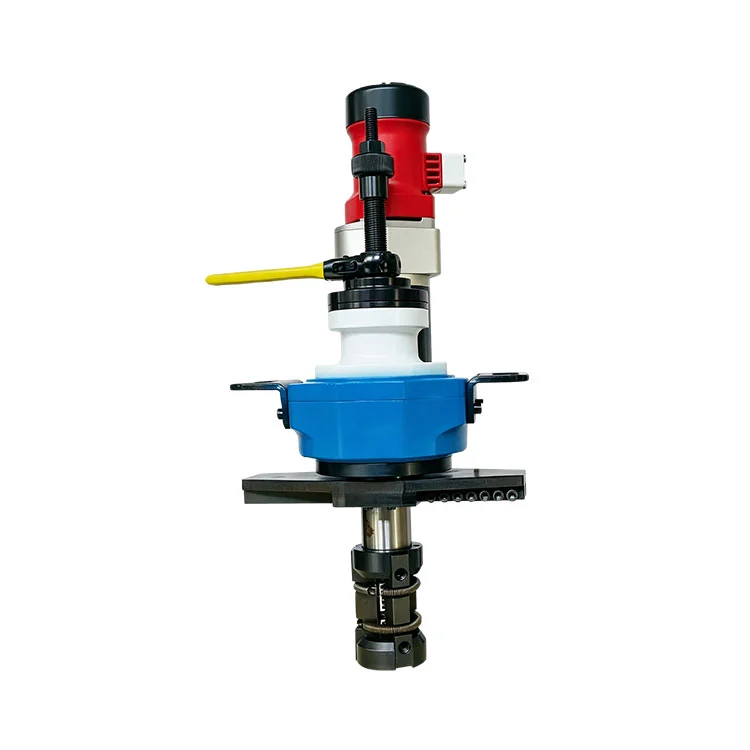
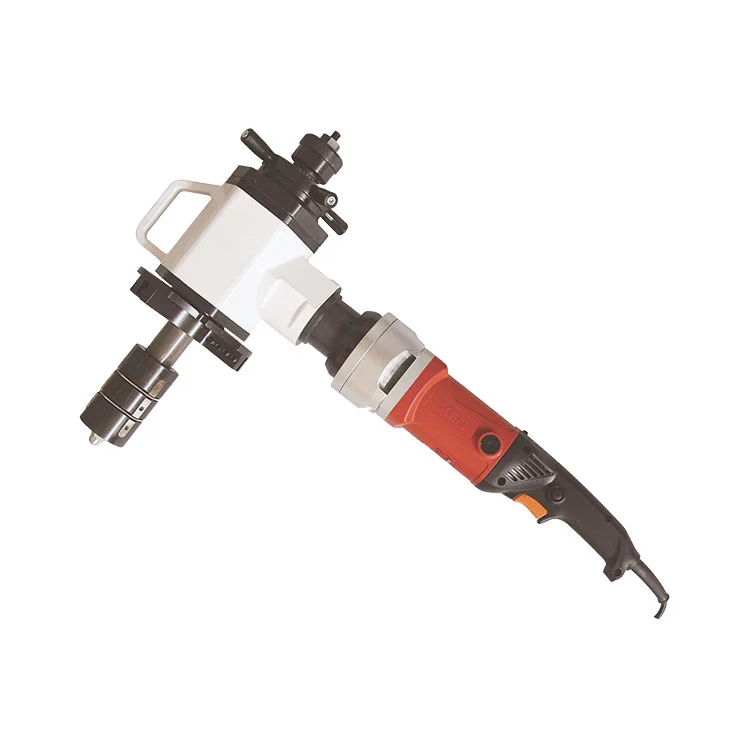
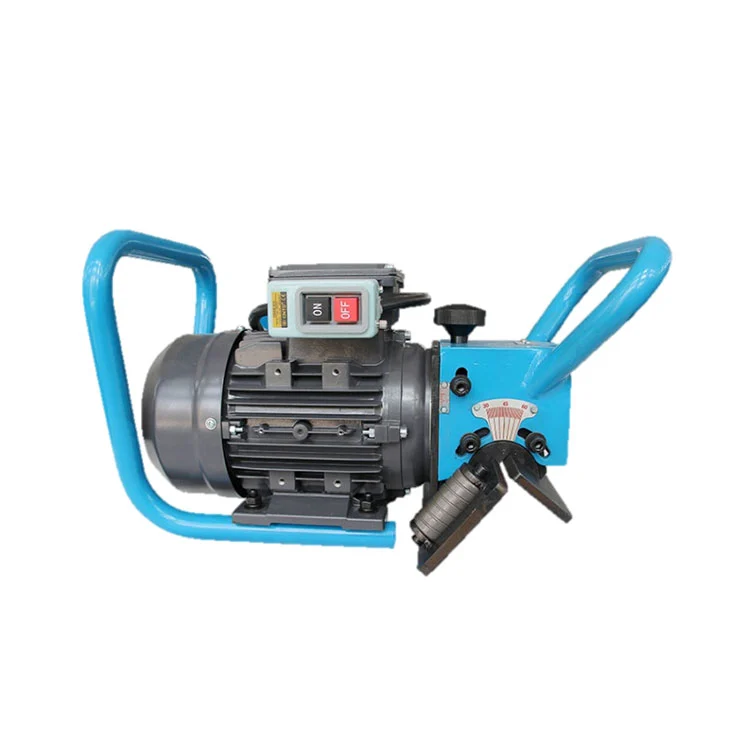
A high precision bevel cutting machine is designed to cut pipes and prepare their ends for welding in a controlled, repeatable process. By combining cutting and beveling operations, modern equipment helps reduce secondary machining, improve dimensional consistency, and streamline pipeline fabrication. This article explores the machine's working principles, key features, technical specifications, industrial applications, and purchasing considerations. It also explains how Xianjin's SME-II series addresses installation efficiency, pipe handling, and processing accuracy for demanding industrial environments.

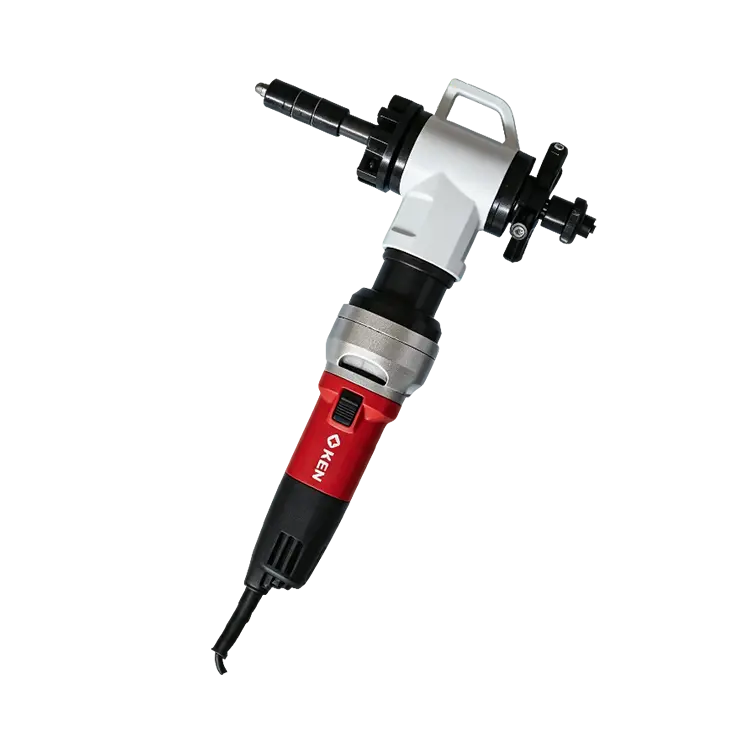
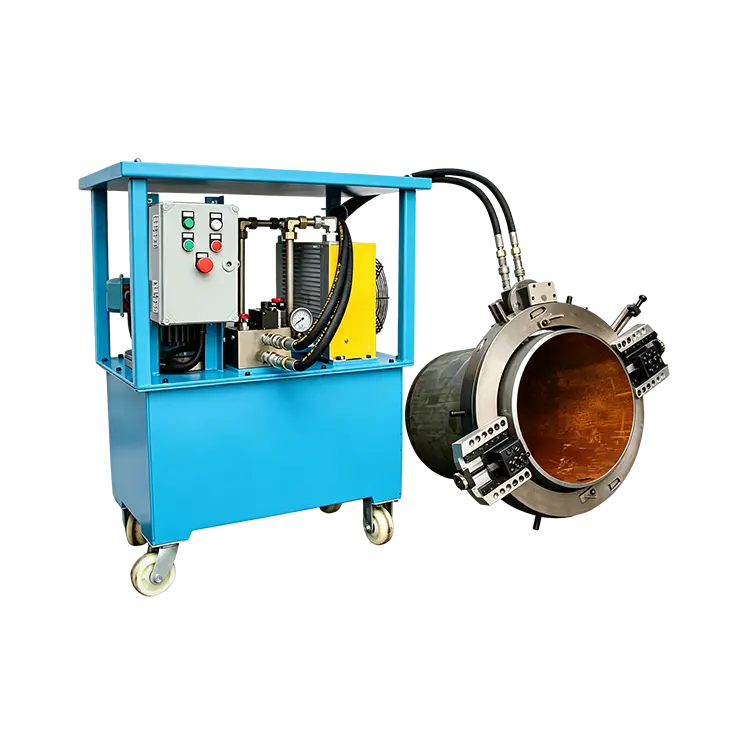
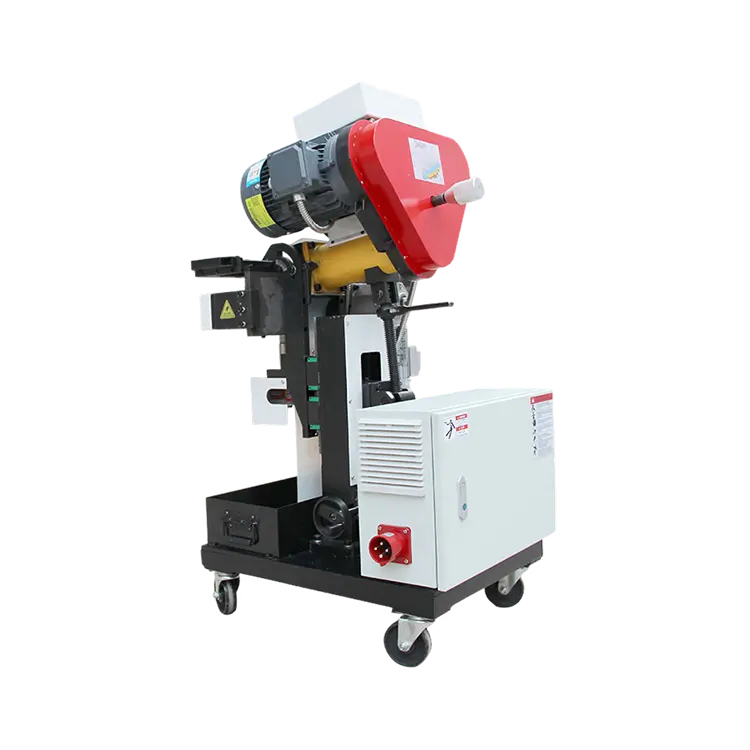
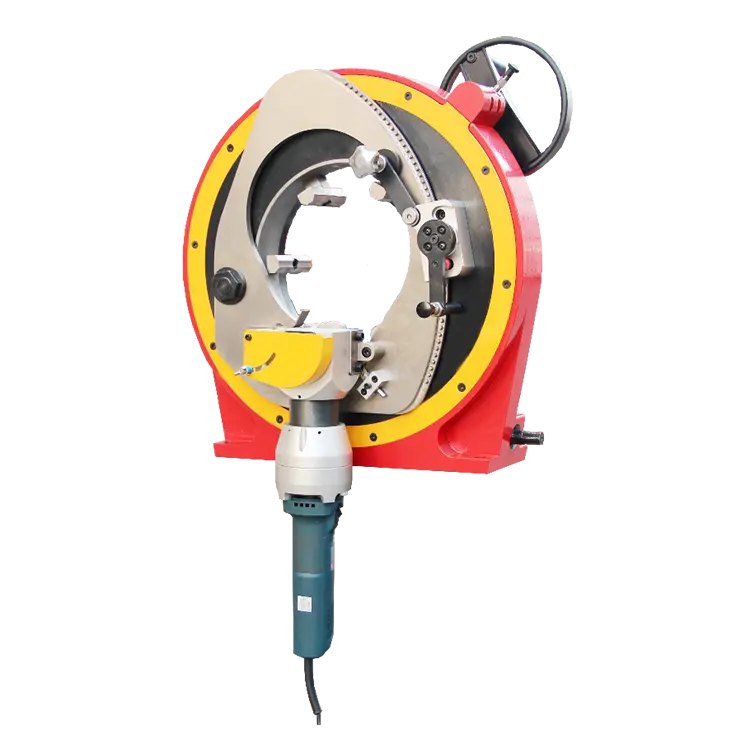
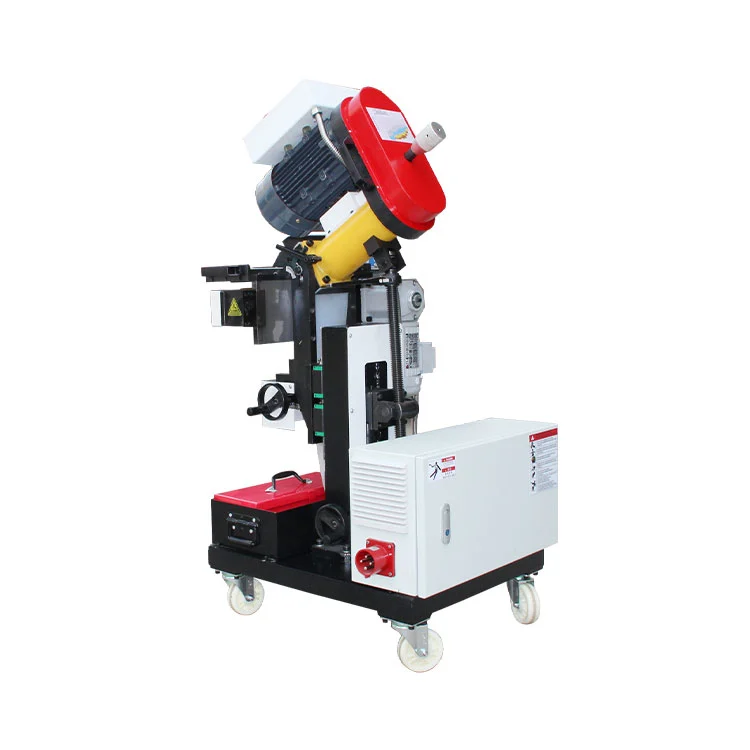
High Precision Bevel Cutting Machine

Table of Contents

1. What Is a High Precision Bevel Cutting Machine?

2. Why Does Precision Matter in Pipe Beveling?

3. What Are the Key Features of Xianjin's Machine?

4. Technical Specifications and Model Selection

5. How Does the Integrated Skid-Mounted Design Help?

6. Which Industries Benefit from This Equipment?

7. How to Choose the Right Bevel Cutting Machine

8. Frequently Asked Questions

9. Conclusion


1. What Is a High Precision Bevel Cutting Machine?

A high precision bevel cutting machine is specialized industrial equipment that cuts pipe sections and forms accurately controlled beveled edges for welding preparation. Instead of relying on separate cutting, grinding, and edge-finishing operations, an integrated machine can complete multiple machining steps in a coordinated workflow.

Beveling creates an angled edge that helps prepare a joint for welding. The required geometry depends on pipe dimensions, wall thickness, joint configuration, welding procedures, and applicable engineering standards. Correct preparation supports consistent joint fit-up and helps welders achieve the specified weld profile.

Xianjin Pipeline's High Precision Bevel Cutting Machine was developed jointly with China National Chemical Engineering No. 16 Construction Co., Ltd. (CNCEC 16), combining pipeline-processing experience with practical engineering requirements.

The equipment is particularly relevant to projects that require repeatable pipe-end preparation, efficient installation, and consistent machining across multiple pipe sizes. For related solutions, explore the High Precision Bevel Cutting Machine product page.


2. Why Does Precision Matter in Pipe Beveling?

Pipe-end preparation directly affects the quality and efficiency of downstream welding. When cutting dimensions or bevel geometry vary excessively, operators may need additional grinding, alignment adjustments, or repeated measurements before welding can begin.

A precision-oriented machining process helps address these challenges in several ways.

  • More consistent feeding: A precision CNC feed mechanism supports controlled movement during machining and improves repeatability.
  • Reduced secondary finishing: Integrated cutting and beveling can reduce the need for separate edge-preparation operations when the resulting geometry meets the project requirements.
  • Improved joint preparation: Consistent bevel geometry makes it easier to position pipe sections and follow approved welding procedures.
  • Higher production efficiency: Shorter processing cycles can help fabrication teams handle more workpieces during a shift.
  • Better process control: Preset parameters and repeatable operating procedures help reduce variation between operators and production batches.

However, machine accuracy alone does not guarantee weld quality. Proper tooling, secure clamping, material condition, operator training, and inspection procedures remain essential. Buyers should evaluate performance against the actual tolerances and welding requirements of their projects.


3. What Are the Key Features of Xianjin's Machine?

Precision CNC Feeding and Variable-Frequency Drive

The machine uses a 380V variable-frequency motor and a precision CNC feeding mechanism. According to Xianjin's product specifications, the feed accuracy can reach ±0.07 mm. Controlled feeding supports stable machining and helps operators maintain consistent processing conditions.

The variable-frequency system also allows the operating speed to be adjusted to suit machining requirements, helping balance productivity with cutting stability.

Integrated Cutting and Beveling

Combining cutting and bevel preparation in one workflow can reduce workpiece transfers and unnecessary handling. The machine supports multiple processing configurations, including cutting with single-sided beveling, double-sided beveling, and compound beveling, depending on the selected operation and tooling.

For production teams, the main benefit is a more streamlined route from raw pipe to a welding-ready component.

Hydraulic Clamping and Automatic Feeding

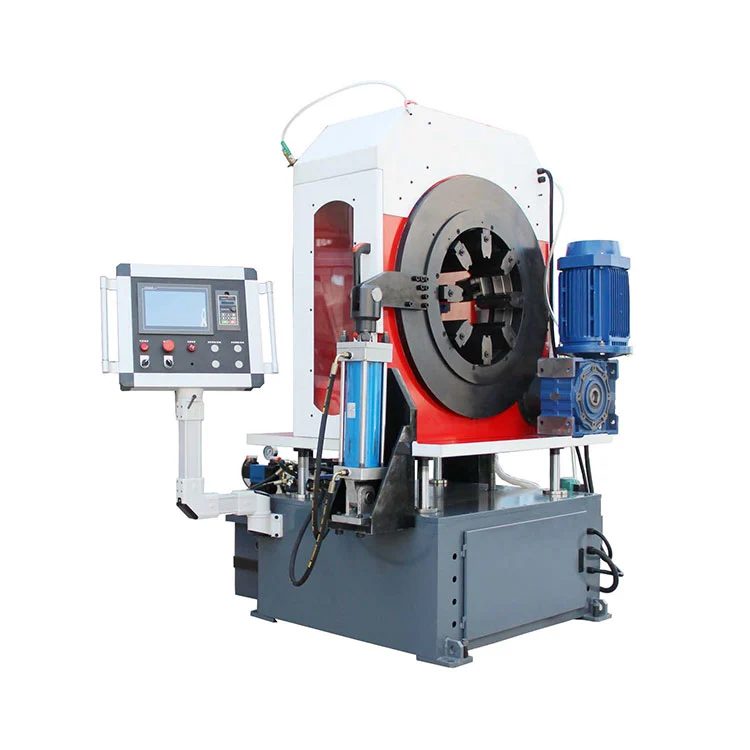
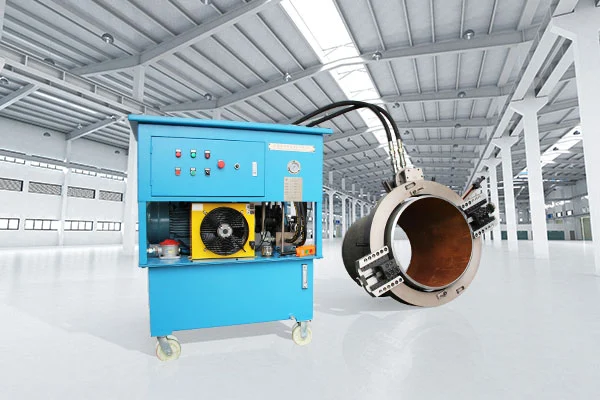
Secure workpiece positioning is fundamental to precision machining. Xianjin's equipment incorporates hydraulic clamping and automatic feed-and-retract functions to support controlled processing. Depending on the configuration, additional functions include automatic lifting, laser tool setting, and wireless-controlled automatic feeding and discharging.

Modular Tooling and Operator Convenience

Quick-change modular tools help accommodate different beveling requirements. An intelligent touch panel with preset parameters also simplifies routine operation. According to the manufacturer, new operators can work independently after approximately 30 minutes of training, although actual training needs depend on prior experience and site procedures.

Together, these features are intended to improve repeatability, reduce manual intervention, and support demanding pipeline fabrication schedules.


4. Technical Specifications and Model Selection

When selecting a High Precision Bevel Cutting Machine, buyers should match the machining range, pipe wall thickness, and clamping configuration to their actual production requirements. Xianjin lists several SME-II models for different pipe diameters.

Model Machining Range Maximum Wall Thickness Clamping Configuration
SME-168-II 30–168 mm ≤50 mm 4-jaw hydraulic, single- or double-sided clamping
SME-325-II 80–325 mm ≤50 mm 6-jaw hydraulic, single- or double-sided clamping
SME-426-II 126–426 mm ≤50 mm Hydraulic clamping; confirm configuration for the selected model
SME-530-II 230–530 mm ≤50 mm 8-jaw hydraulic, single- or double-sided clamping
SME-630-II 325–630 mm ≤50 mm Hydraulic clamping; confirm configuration for the selected model
SME-762-II 457–762 mm ≤50 mm Hydraulic clamping; confirm configuration for the selected model

Note: Specifications are based on the manufacturer's published model information. Confirm the final configuration, pipe compatibility, and processing limits with Xianjin before ordering.

Other published performance details include:

  • Feed accuracy of up to ±0.07 mm.
  • A reported processing time of 3–5 minutes for DN300 pipe under the manufacturer's stated conditions.
  • A reported processing capacity of approximately 20 pieces per hour.
  • A reported machined surface roughness of Ra 12.5 μm.
  • Compatibility with 304/316 stainless steel and alloy steel, subject to the specified operating conditions.

Actual output depends on pipe material, wall thickness, bevel geometry, tooling, operator procedures, and production conditions. Buyers should request a sample-processing assessment when a project requires a specific tolerance or finish.


5. How Does the Integrated Skid-Mounted Design Help?

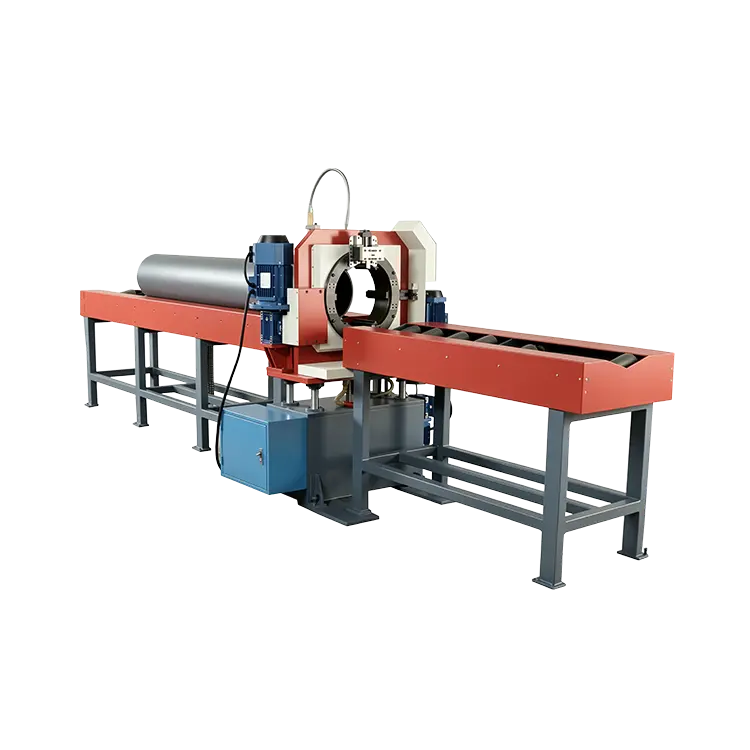
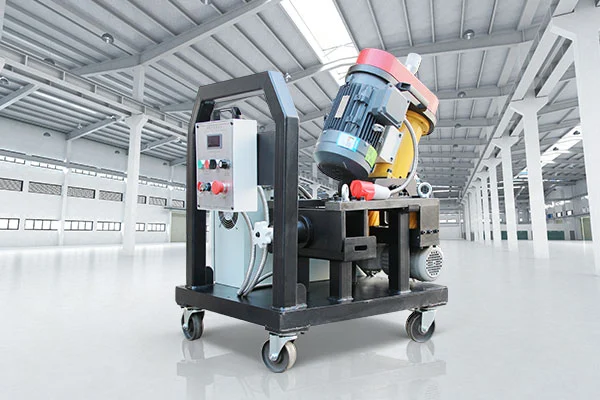
Equipment installation can create significant delays when a project requires precise alignment, repeated adjustments, and specialist commissioning. Xianjin addresses this challenge with an integrated skid-mounted structure that combines major machine components on a unified platform.

The manufacturer states that on-site assembly can be completed within approximately one hour under suitable conditions. This design is intended to reduce installation complexity and shorten the time between equipment arrival and production preparation.

Evaluation Factor Conventional Installation Approach Integrated Skid-Mounted Approach
Equipment layout Components may require separate positioning and alignment Major modules are integrated on a common platform
Site preparation May involve more alignment and commissioning work Designed to reduce on-site assembly and adjustment
Project scheduling Installation duration can vary with site conditions Supports faster equipment deployment
Pipe handling Different pipe sizes may require additional height adjustments Low-center design maintains a consistent pipe-passing height within the specified range
Maintenance planning Depends on the individual machine configuration Integrated layout can simplify equipment organization and routine checks

The SME-II design also uses a suspended low-center structure and a four-post slider stabilization system. The manufacturer specifies a consistent pipe-passing center height across its stated 30–630 mm pipe range, while the SME-762-II model has a larger listed machining range. Confirm the applicable center-height range for the exact model before planning material handling.

For projects with limited installation windows, frequent pipe-size changes, or demanding site logistics, these design considerations can be as important as cutting speed.


6. Which Industries Benefit from This Equipment?

High-precision pipe cutting and bevel preparation support a broad range of industrial applications. Xianjin identifies petrochemical processing, food and beverage production, biomedicine, energy, and power as relevant sectors.

  • Petrochemical engineering: Prepare pipe ends for fabrication and installation in process piping systems.
  • Energy and power: Support pipeline preparation for facilities where dimensional consistency and documented procedures are important.
  • Food and beverage: Process compatible stainless steel piping used in production and utility systems.
  • Biopharmaceutical facilities: Support fabrication workflows for stainless steel piping, subject to applicable hygienic design and validation requirements.
  • Industrial pipeline construction: Reduce repeated handling and improve the consistency of pipe-end preparation on fabrication sites.

For stainless steel applications, buyers should consider material grade, surface requirements, contamination control, and the suitability of cutting tools and cooling arrangements. The machine should be selected according to the actual fabrication procedure rather than industry name alone.

Depending on the workpiece and project scope, other equipment in Xianjin's range may also be relevant, including its pipe cutting and beveling solutions, pipe end facing machines, and CNC cutting and beveling machines.


7. How to Choose the Right Bevel Cutting Machine

Choosing equipment based only on its advertised speed or precision figure can lead to mismatches between the machine and the production line. A practical selection process begins with the workpiece and ends with verification of the complete operating setup.

Define the Workpiece Requirements

  • Record the minimum and maximum pipe outside diameters.
  • Identify the full wall-thickness range and material grades.
  • Specify required bevel angles, bevel types, and whether single- or double-sided preparation is needed.
  • Confirm dimensional tolerances and surface-finish acceptance criteria.

Evaluate Production Capacity

Estimate daily or hourly throughput using realistic cycle times, including loading, clamping, machining, unloading, and inspection. A quoted cutting cycle does not necessarily equal the total production cycle. Consider how often tools need to be changed and whether the machine will operate as a standalone unit or part of an automated line.

Review Installation and Support

Check available floor space, power supply, lifting equipment, material-handling arrangements, and cooling requirements. Ask the manufacturer about commissioning, operator training, spare parts, warranty coverage, and technical support for the intended destination.

Verify the Configuration Before Purchase

Before issuing a purchase order, request written confirmation of the selected model, machining range, tooling, clamping arrangement, included accessories, delivery schedule, and acceptance criteria. For critical applications, arrange a demonstration or sample test using representative pipe material.

These checks help buyers compare equipment on measurable production needs instead of relying on general claims about precision or efficiency.


8. Frequently Asked Questions

Q1: What is the main purpose of a High Precision Bevel Cutting Machine?

Its main purpose is to cut pipe sections and prepare their ends for welding with controlled dimensions and bevel geometry. Combining these operations can reduce separate machining steps, workpiece handling, and manual finishing when the required results are achieved.

Q2: What is the feed accuracy of Xianjin's SME-II machine?

According to Xianjin's published product information, the precision CNC feed mechanism achieves feed accuracy of up to ±0.07 mm. This figure refers to feeding accuracy and should not automatically be interpreted as the total dimensional tolerance of every finished workpiece.

Q3: Which pipe sizes can the SME-II series process?

The published model range extends from 30–168 mm for the SME-168-II to 457–762 mm for the SME-762-II. The appropriate model depends on the required diameter range, wall thickness, and clamping configuration. Confirm all operating limits with the manufacturer before purchase.

Q4: Can the machine process stainless steel?

Yes. Xianjin identifies 304/316 stainless steel and alloy steel among the compatible materials. Actual suitability depends on material specifications, wall thickness, cutting tools, cooling arrangements, and the required finished-edge quality.

Q5: How quickly can the equipment be installed on-site?

Xianjin states that the integrated skid-mounted design can support on-site assembly within approximately one hour under suitable conditions. Site readiness, external connections, safety checks, and project-specific commissioning requirements may affect the time needed before production begins.

Q6: What should buyers confirm before ordering?

Confirm the pipe diameter and wall-thickness ranges, bevel geometry, material grades, required tolerances, production capacity, included tooling, installation conditions, delivery terms, warranty, and after-sales support. A written technical confirmation helps ensure that the selected configuration meets the intended application.


9. Conclusion

A high precision bevel cutting machine can help industrial manufacturers improve pipe-end preparation, maintain consistent machining conditions, and reduce unnecessary handling between cutting and welding preparation. For buyers, the most important considerations are workpiece compatibility, verified accuracy, realistic throughput, installation requirements, and long-term technical support.

Xianjin Pipeline combines pipeline-processing experience with its SME-II integrated skid-mounted design, precision CNC feeding, hydraulic clamping, and multiple machining configurations. Its range of pipe processing equipment provides options for different diameter ranges and industrial requirements.

If you are evaluating a High Precision Bevel Cutting Machine for an upcoming pipeline project, contact us to discuss your pipe dimensions, material grades, bevel specifications, production targets, and installation conditions. Xianjin can help you identify a suitable model, confirm technical details, and explore customization and after-sales support options for your application.

Related News
Leave me a message
X
We use cookies to offer you a better browsing experience, analyze site traffic and personalize content. By using this site, you agree to our use of cookies. Privacy Policy
RejectAccept