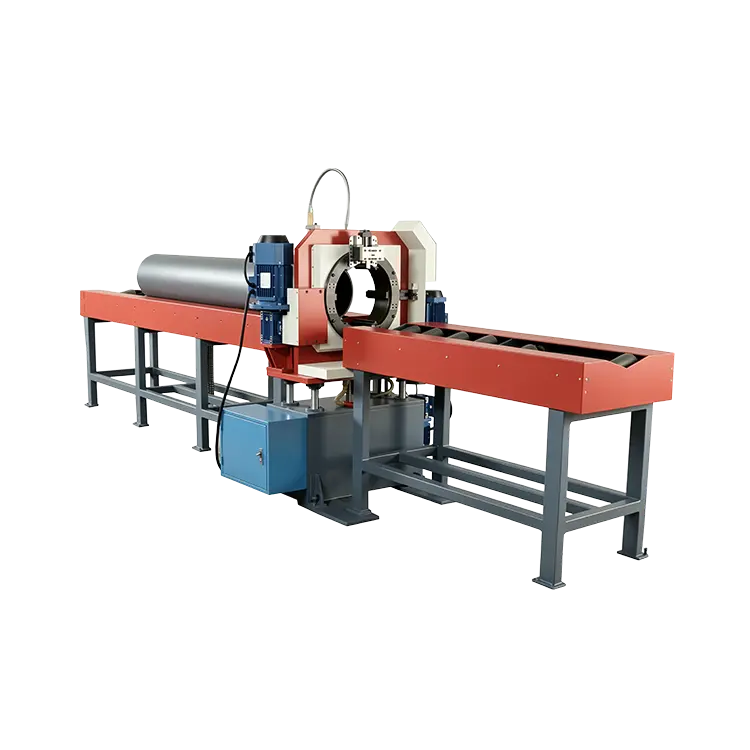

Abstract · This article provides a detailed technical examination of the Curved Groove Machine, exploring its design principles, operational capabilities, and critical role in pipeline joint preparation. The discussion covers the mechanics of curved groove formation, machining parameters, tooling configurations, and the engineering considerations that ensure precise, repeatable groove geometry for reliable pipe connections in industrial piping systems.
01. Function and Role in Pipeline Joint Preparation
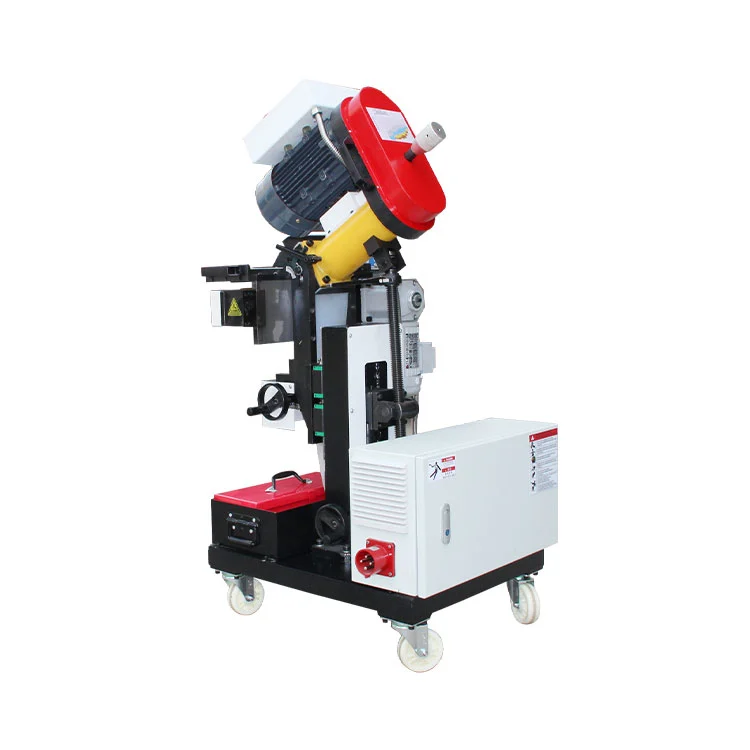
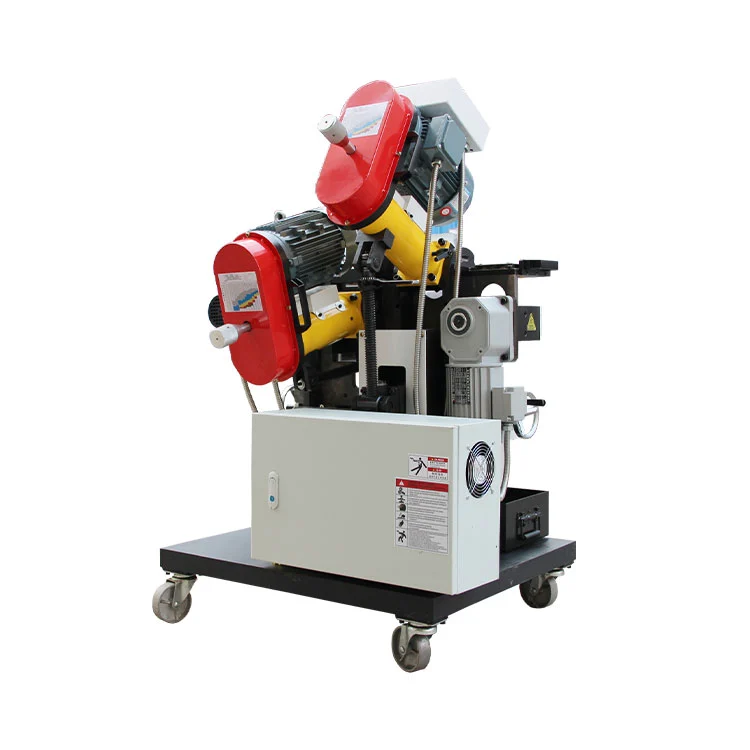
A Curved Groove Machine is a specialized piece of equipment used in pipeline fabrication to prepare pipe ends for mechanical coupling or grooved joint connections. The machine creates a precisely formed circumferential groove on the outer surface of the pipe, near the end, which accommodates a coupling housing and gasket to form a leak-tight joint.
The curved groove, also known as a rolled groove or cut groove, is a critical feature of grooved piping systems. The groove geometry must be accurately controlled to ensure proper engagement with the coupling and to achieve the required pressure rating and sealing performance. The curved groove machine automates this process, providing consistent, repeatable groove dimensions across a wide range of pipe sizes and materials. This automation reduces the risk of human error and ensures that every joint meets the required specifications.
Form circumferential grooves on pipe ends
Grooved mechanical coupling
Precise groove geometry for leak-tight seal
02. Operating Principles and Groove Formation Mechanics
A rolling wheel presses the pipe wall into a grooving roll, displacing material to form the groove
A cutting tool removes material to form the groove; suitable for thicker wall pipes
The pipe is rotated while the grooving tool is gradually fed radially inward
Precise control of groove depth, width, and position ensures proper coupling engagement
The Curved Groove Machine operates on one of two primary principles: roll grooving or cut grooving. Roll grooving uses a forming roll that presses the pipe wall into a grooving roll, displacing the material without removing it. This method is fast, produces a smooth groove, and is suitable for most standard pipe materials. Cut grooving uses a cutting tool to remove material, which is necessary for thicker-walled pipes or certain materials where roll grooving is not feasible.
Formation Note: The choice between roll grooving and cut grooving depends on the pipe material, wall thickness, and the required groove specifications. Roll grooving is generally preferred for standard applications due to its speed and the absence of chips. Cut grooving is used for thicker walls and materials that are not suitable for cold forming.
03. Machine Configurations and Tooling Systems
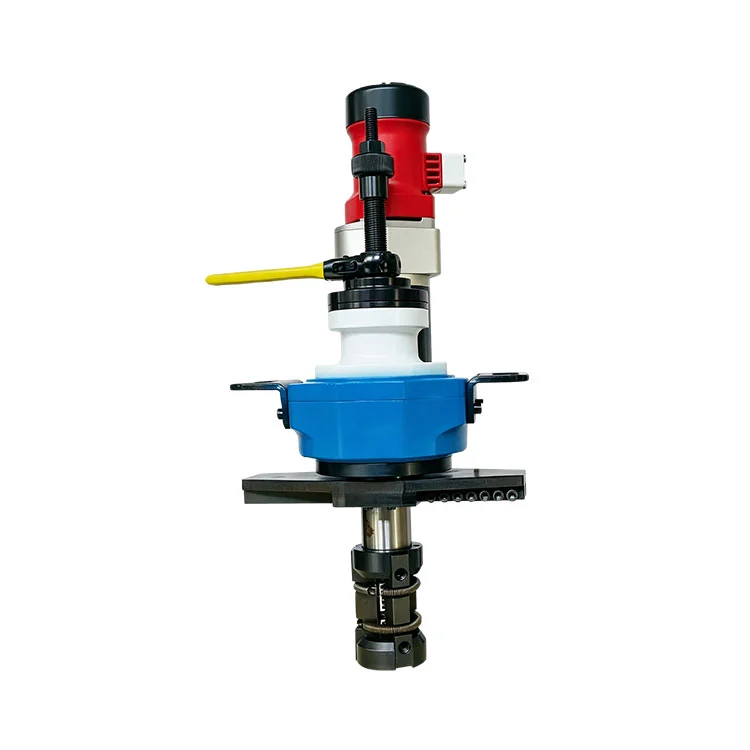
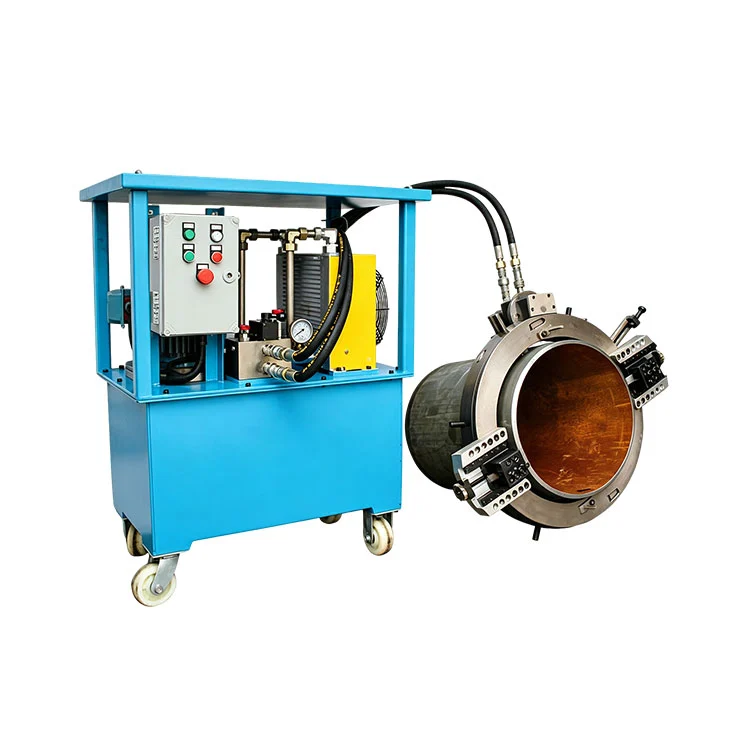
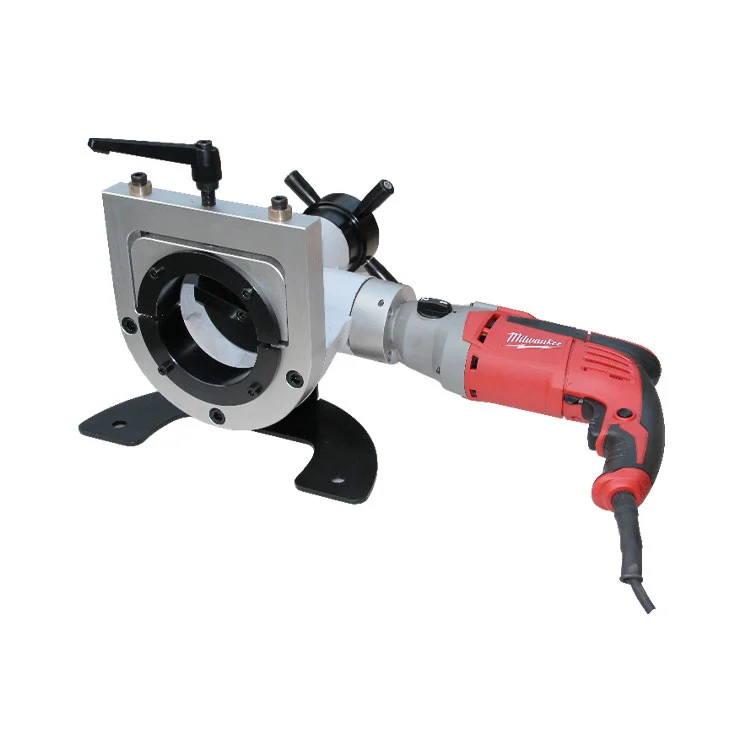
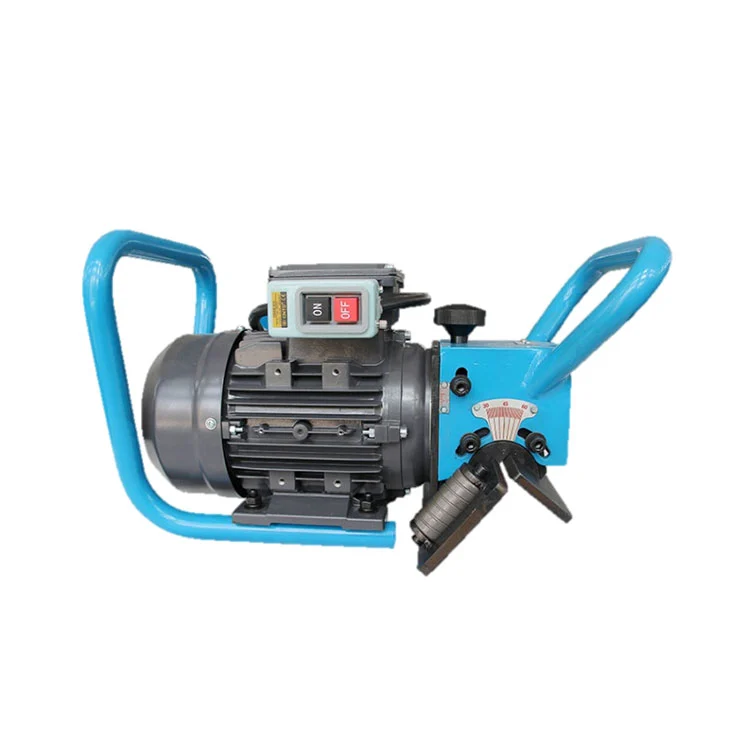
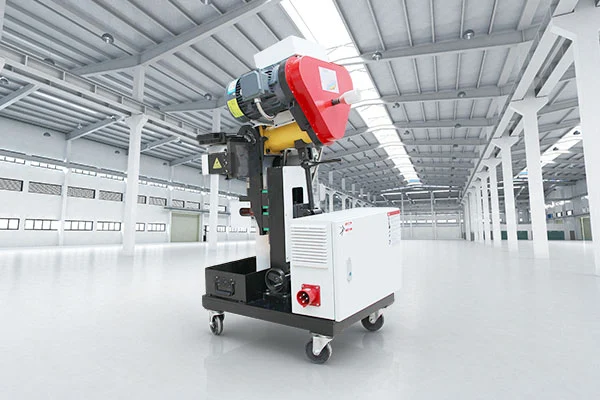
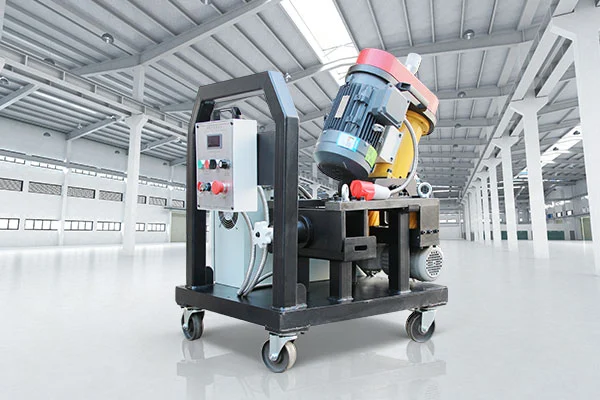
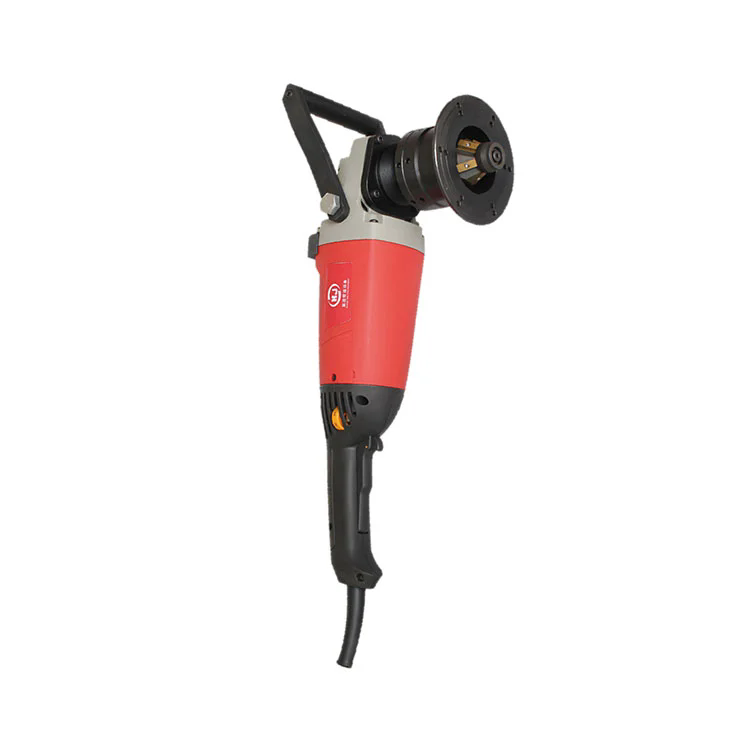
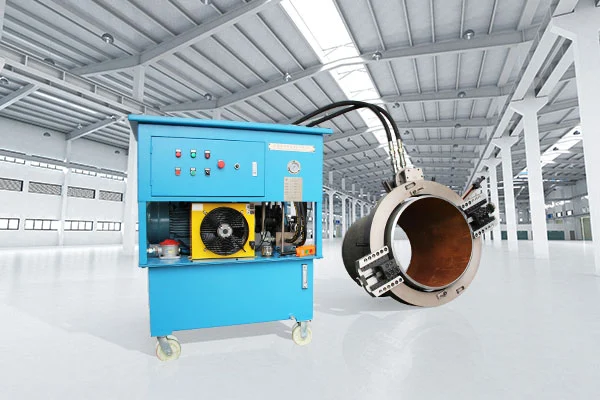
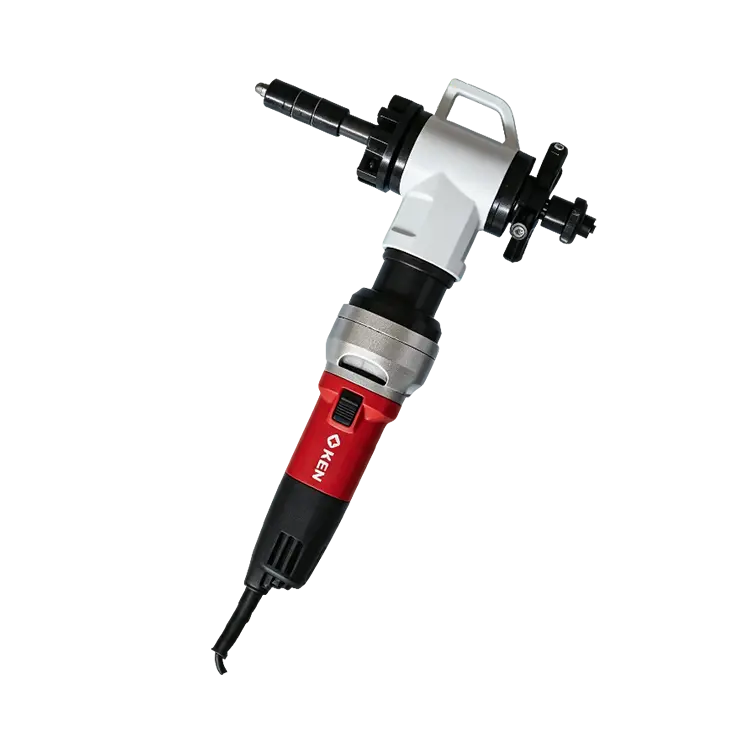
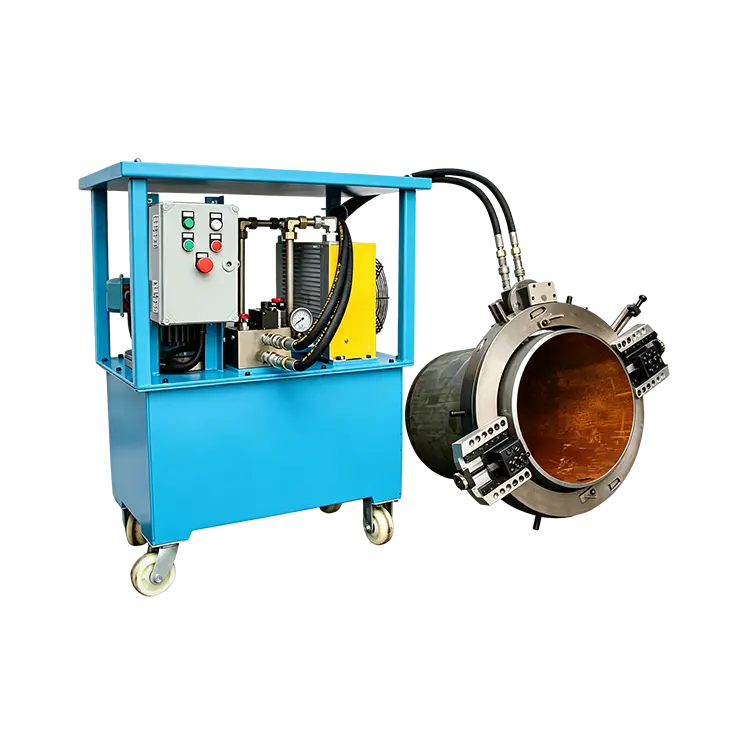
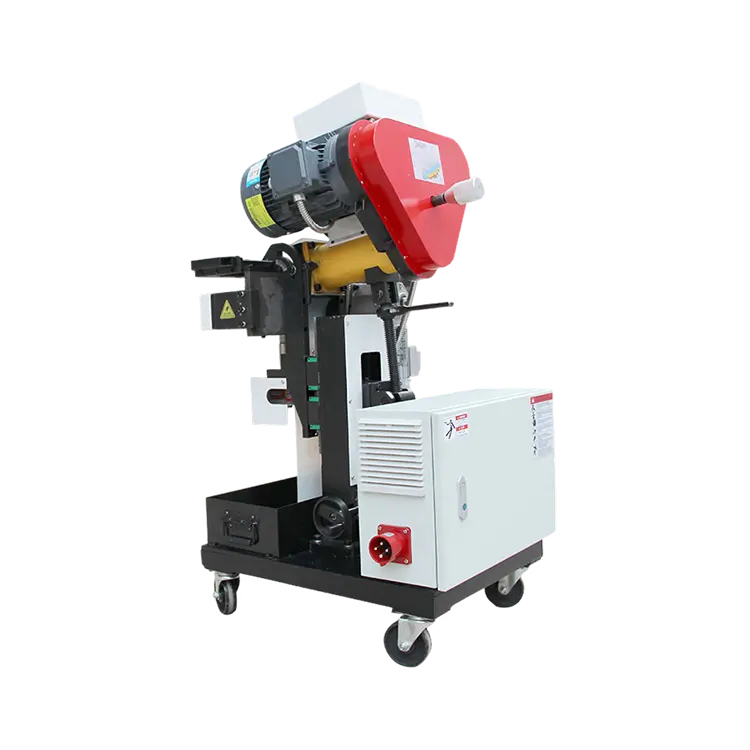
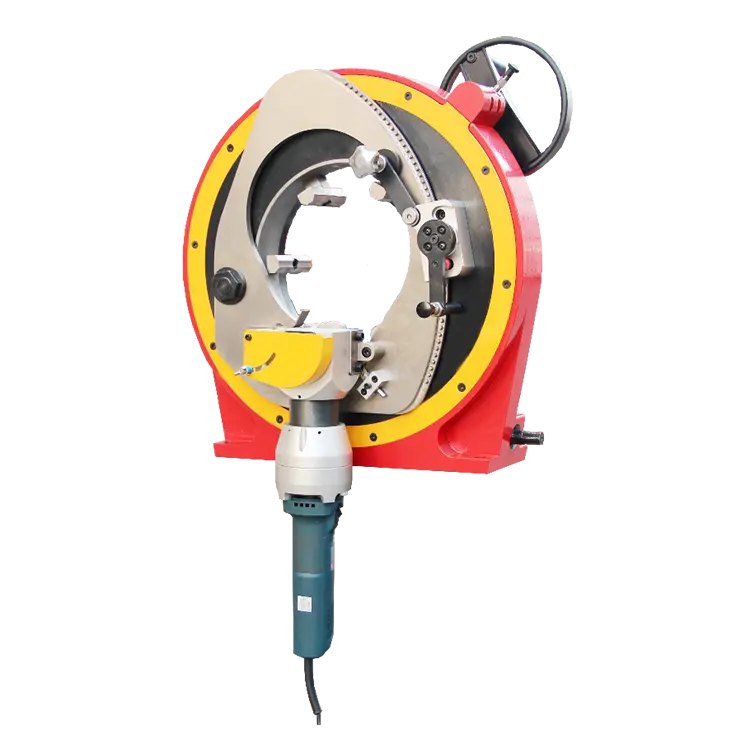
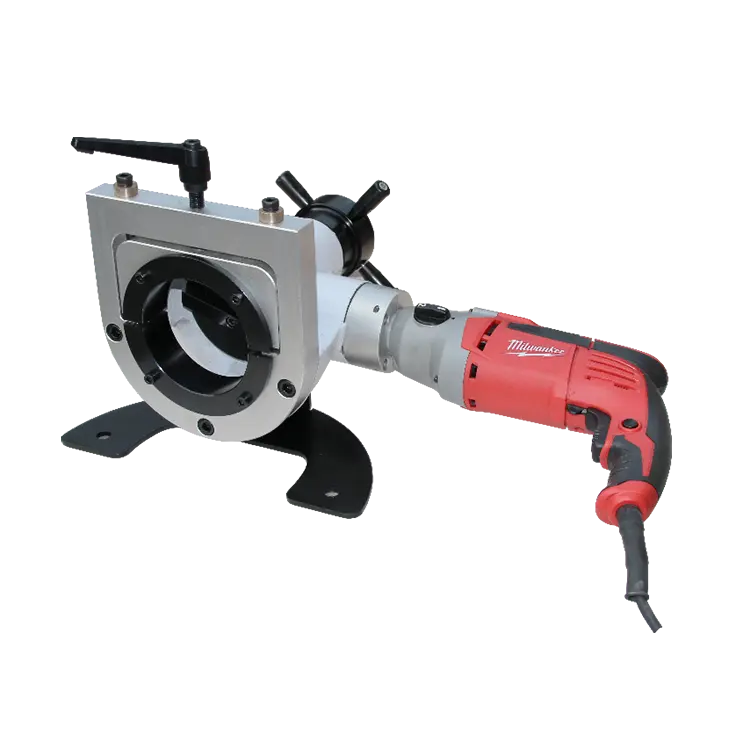
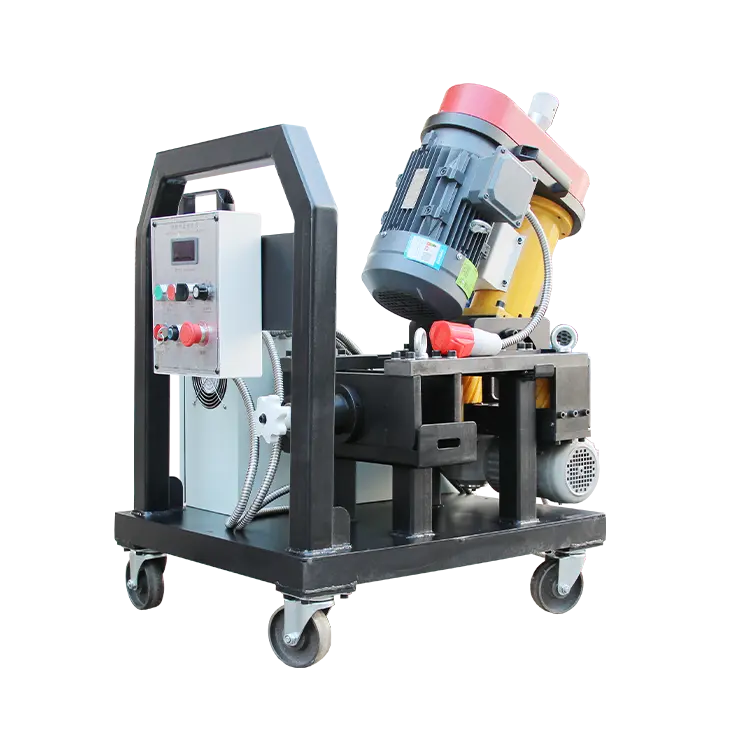
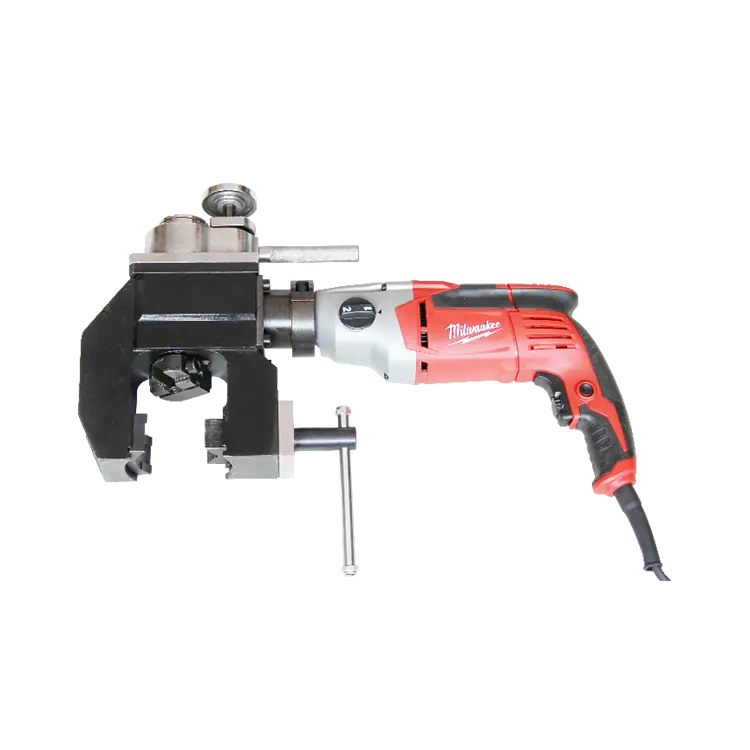
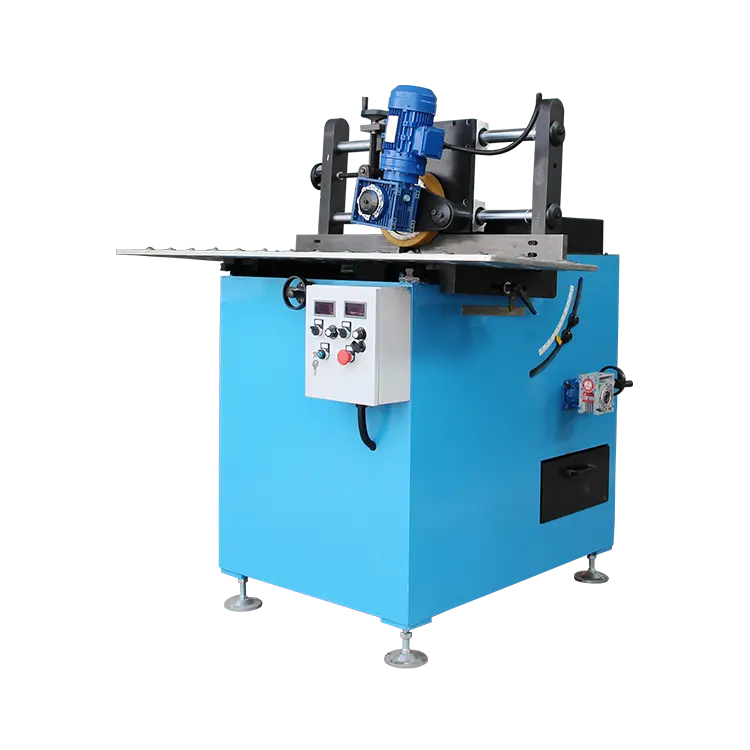
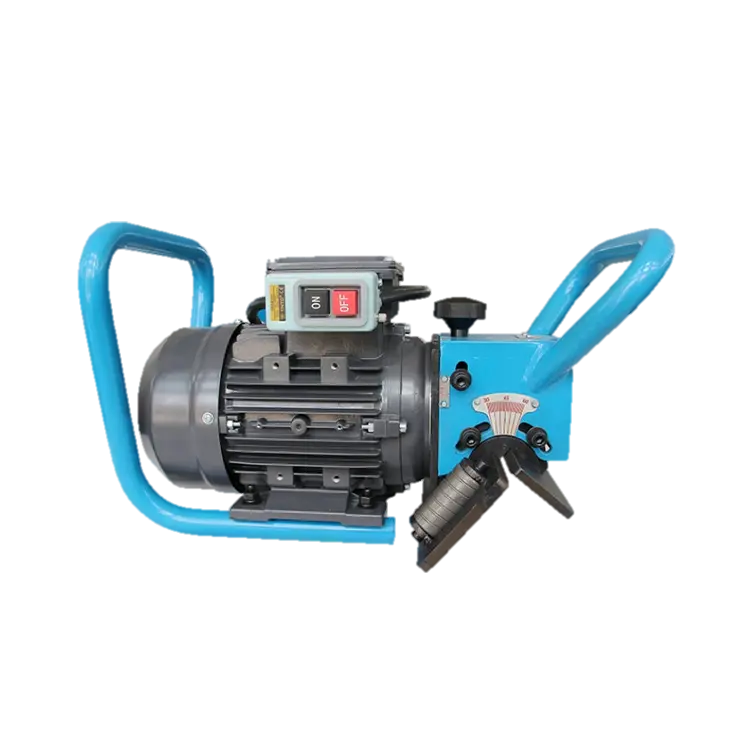
Curved groove machines are available in several configurations, from portable hand-held units to large stationary machines for high-volume production.
- Portable Grooving Machines: Lightweight, hand-held or bench-mounted units designed for on-site pipe preparation. They are ideal for maintenance and repair work.
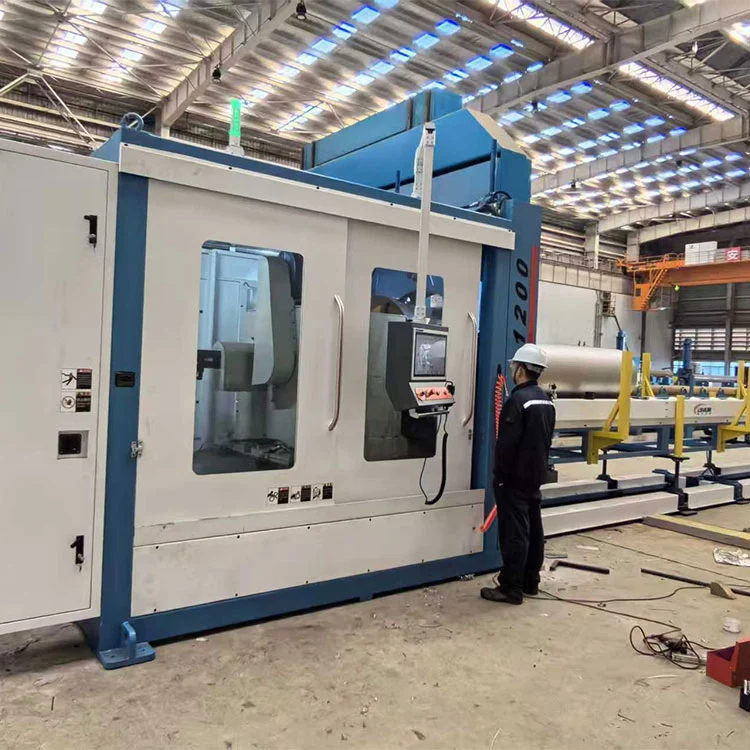
- Stationary Grooving Machines: Larger, floor-mounted machines for workshop or factory production. They offer higher capacity and automation features.
- Hydraulic Drive Systems: Provide smooth, controllable power for consistent groove formation.
- Electric Drive Systems: Common in portable units; require a power source but offer reliable performance.
- Tooling Systems: Grooving rolls and cutting tools are specific to pipe size and material. Quick-change tooling reduces setup time.
The tooling system is a critical component of the machine. The grooving rolls or cutting tools must be matched to the pipe size and material to ensure proper groove formation. Worn or incorrect tooling will result in out-of-specification grooves that can compromise the integrity of the joint.
04. Precision Parameters and Dimensional Control
The precision of the Curved Groove Machine is defined by its ability to control critical groove dimensions. These dimensions must meet the requirements of the coupling manufacturer and the applicable standards.
| Parameter | Description | Importance |
|---|---|---|
| Groove Diameter | The diameter at the bottom of the groove | Determines coupling engagement |
| Groove Width | The axial width of the groove | Accommodates the coupling housing |
| Groove Depth | The radial depth of the groove | Ensures proper gasket compression |
| Groove Position | Distance from pipe end to groove | Ensures proper coupling alignment |
| Wall Thickness | Remaining wall at groove bottom | Maintains pressure rating |
| Surface Finish | Smoothness of the groove surface | Prevents gasket damage and leakage |
Based on standard grooved joint specifications.
The machine must be set up correctly for each pipe size and material. The grooving rolls or cutting tools are adjusted to achieve the correct groove diameter, width, and depth. The position of the groove relative to the pipe end is also critical and must be controlled within tight tolerances.
05. Material Compatibility and Cutting Tool Selection
The Curved Groove Machine is compatible with a range of pipe materials, including carbon steel, stainless steel, galvanized steel, and some plastics. The choice of tooling and machine settings depends on the material being grooved.
- Carbon Steel: The most common material for grooved piping systems. Roll grooving is typically used for standard wall thicknesses.
- Stainless Steel: Requires more careful control of rolling pressure to avoid work hardening. Cut grooving may be necessary for thicker walls.
- Galvanized Steel: Can be roll grooved, but the galvanized coating may be damaged at the groove. Cut grooving is an alternative, but the cut edge must be protected against corrosion.
- Plastic Pipes (PVC, CPVC, PP): Grooved joints are used in some plastic piping systems. Specialized tooling and procedures are required.
- Tooling Material: Grooving rolls and cutting tools are made from hardened tool steel or carbide for durability and wear resistance.
06. Application Domains and Industry Use Cases
Curved groove machines are used across a wide range of industries where grooved piping systems are employed for their speed of assembly, flexibility, and reliability.
- Fire Protection Systems: Grooved joints are widely used in fire sprinkler systems for their rapid installation and ability to accommodate seismic movement.
- HVAC and Plumbing: Used in chilled water, heating, and domestic water systems for their ease of assembly and maintenance.
- Industrial Process Piping: Used in chemical plants, refineries, and manufacturing facilities for a variety of process fluids.
- Mining and Mineral Processing: Used for slurry and water lines where rugged, reliable joints are required.
- Marine and Offshore: Used in shipbuilding and offshore platforms where vibration and movement are concerns.
- Water and Wastewater Treatment: Used in treatment plants for their corrosion resistance and ease of maintenance.
The common requirement across these applications is the need for a fast, reliable, and cost-effective method of joining pipes. The curved groove machine makes this possible by producing consistent, high-quality grooves that ensure the integrity of the joint.
Frequently Asked Questions
Technical specifications and standards may vary. Always consult the manufacturer's documentation for your specific application requirements.