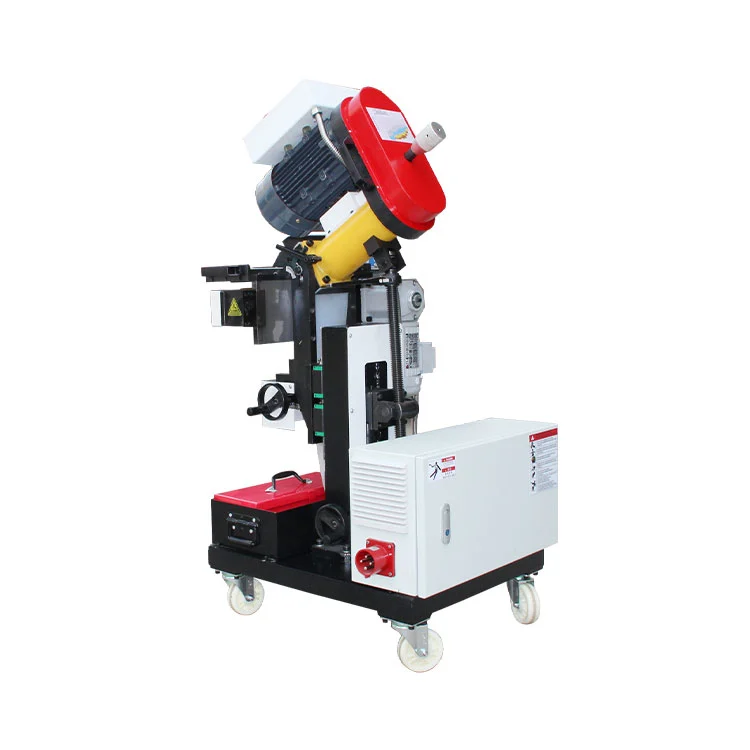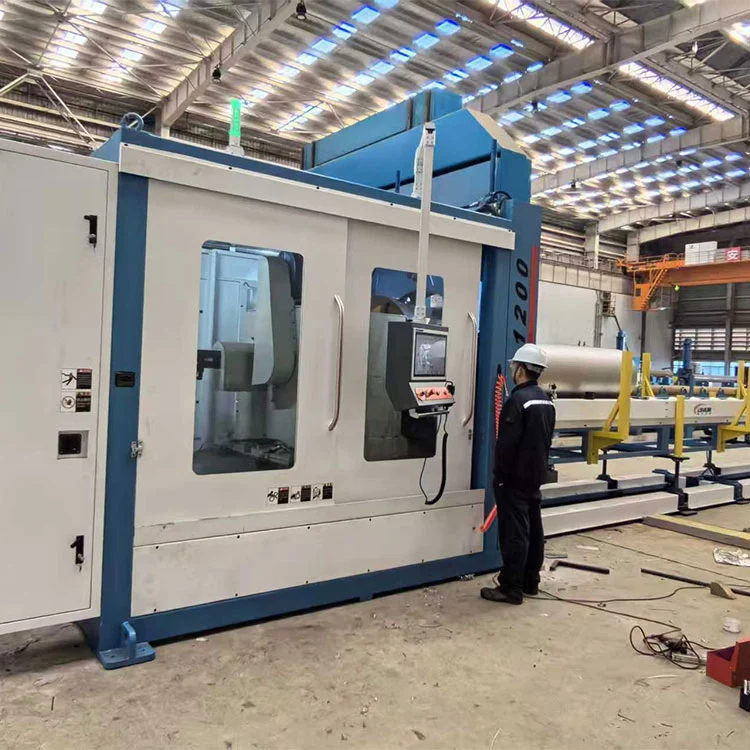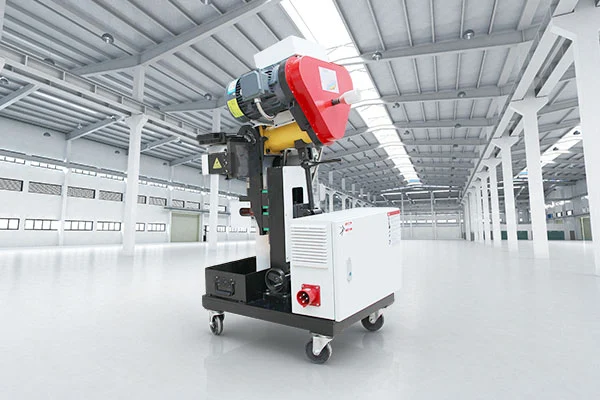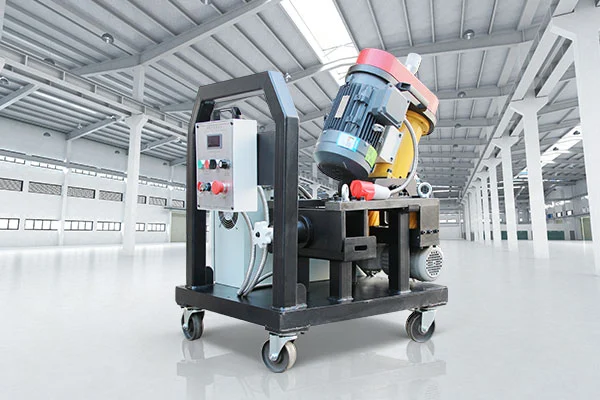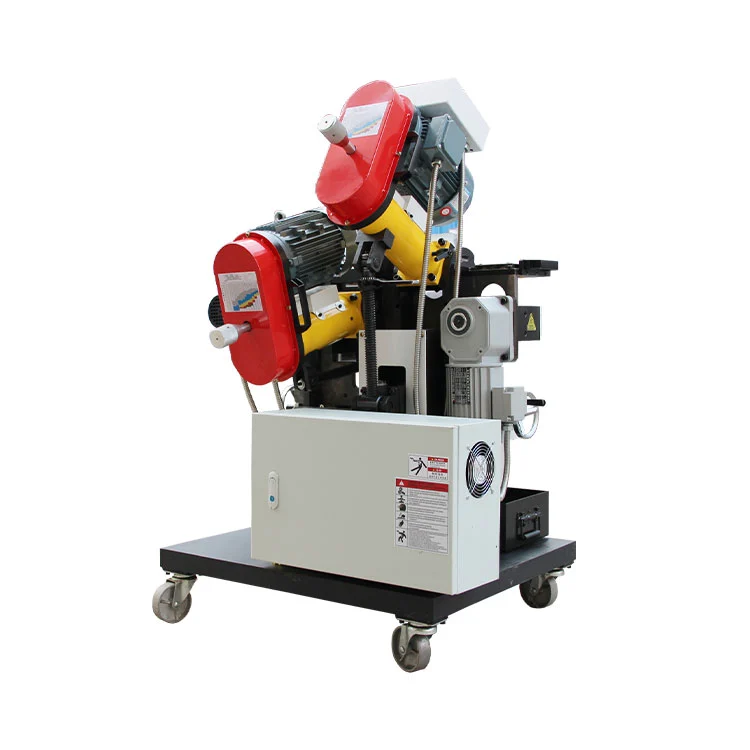
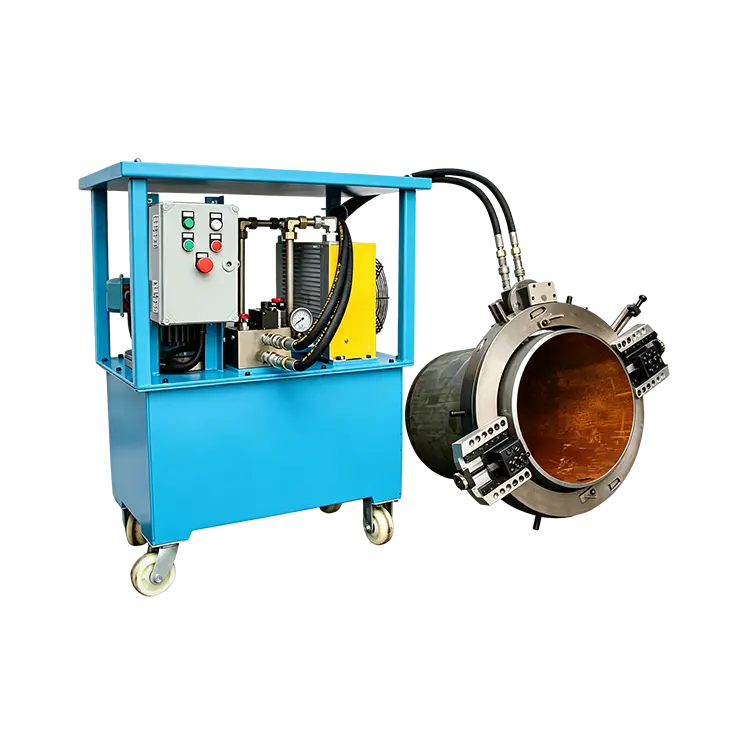
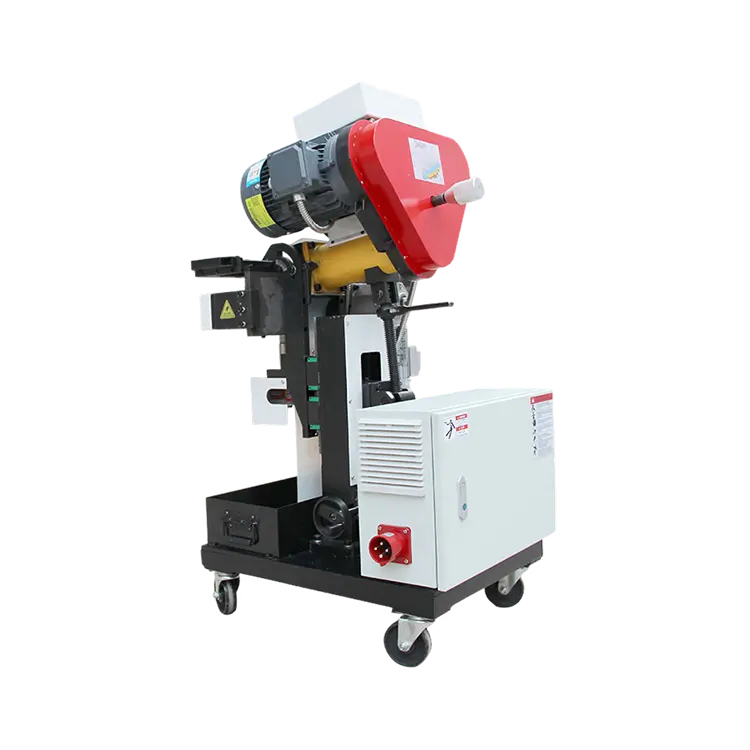
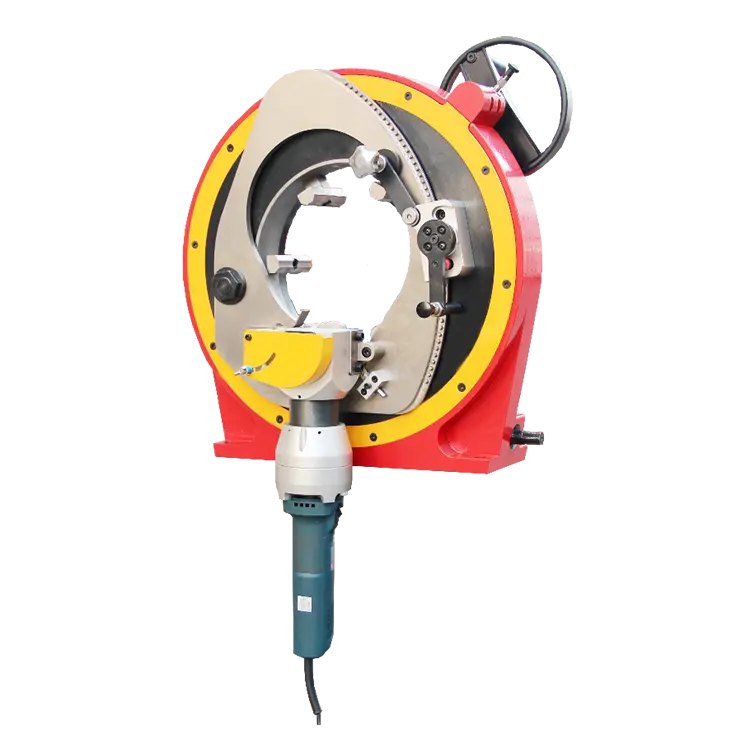
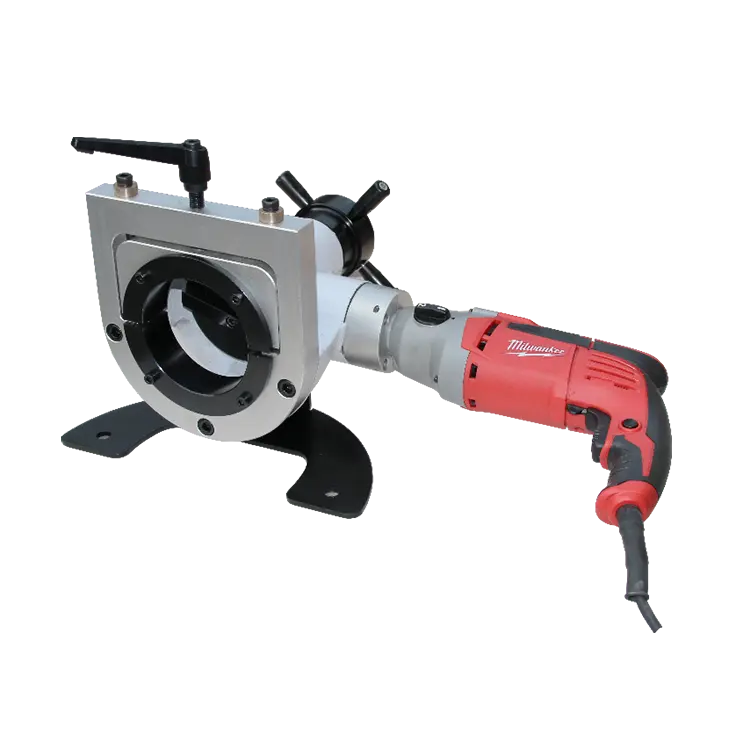
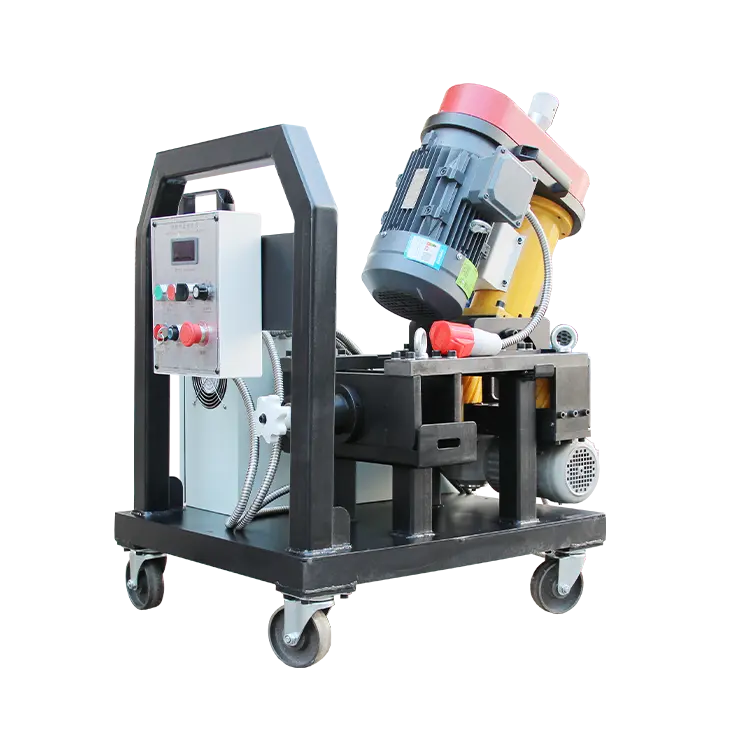
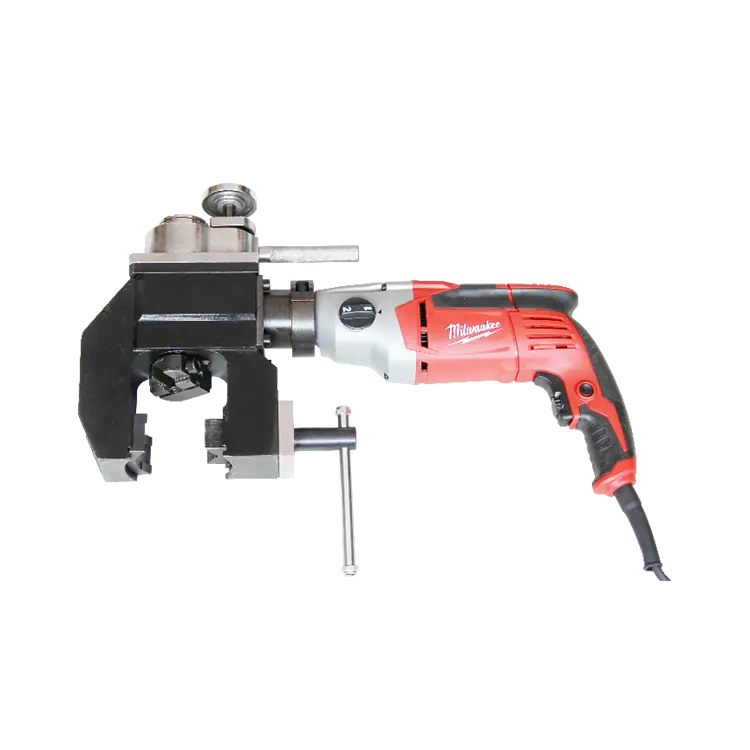
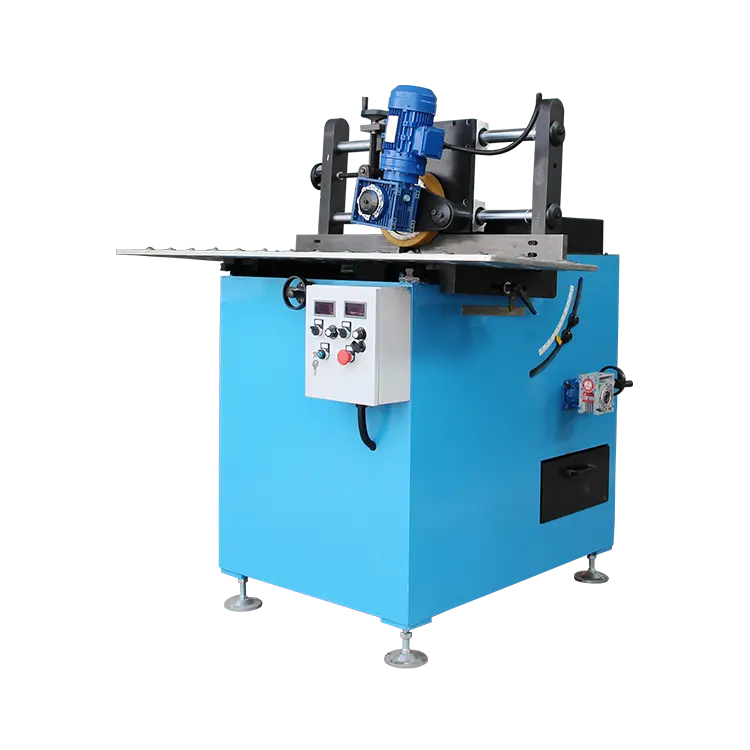
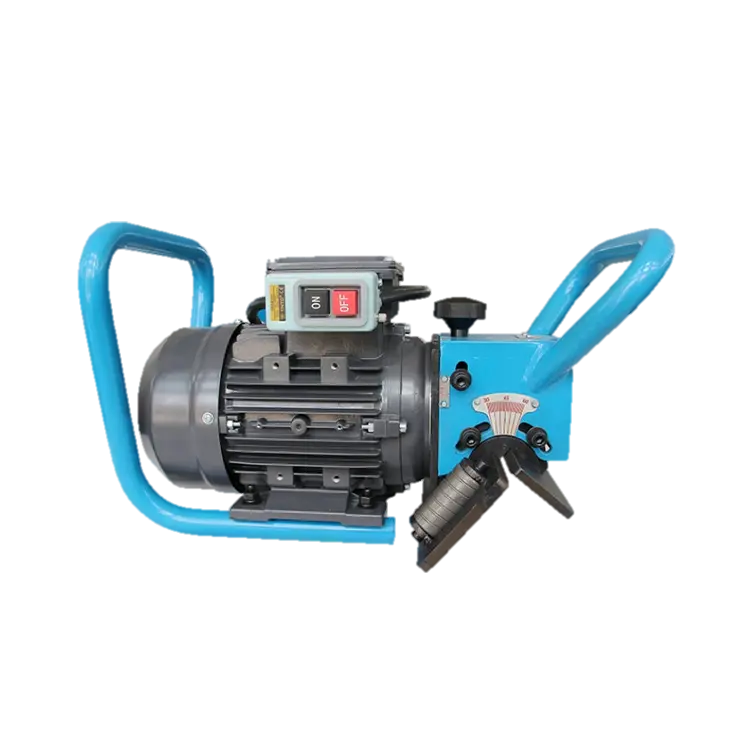

Steel plate beveling is a critical preparation step for reliable welding, and Xianjin provides the Steel Plate Bevel Milling Machine for manufacturers seeking accurate, repeatable and efficient plate-edge processing. Designed for carbon steel, stainless steel and other metal plates, this self-propelled milling solution combines dual-spindle beveling, automatic travel and adjustable processing parameters to reduce manual handling while maintaining consistent groove geometry.
A properly prepared steel plate edge directly affects welding quality, joint penetration and production efficiency. A modern Steel Plate Bevel Milling Machine can replace slower manual grinding or conventional edge preparation processes with controlled cold milling. Xianjin's ZM-100X model is designed for plate thicknesses from 5 to 80 mm, with adjustable bevel angles, automatic travel and simultaneous upper and lower beveling. Its dual-drive structure, spring-supported design, indexable carbide inserts and self-propelled operation make it suitable for demanding plate fabrication and welding preparation applications.
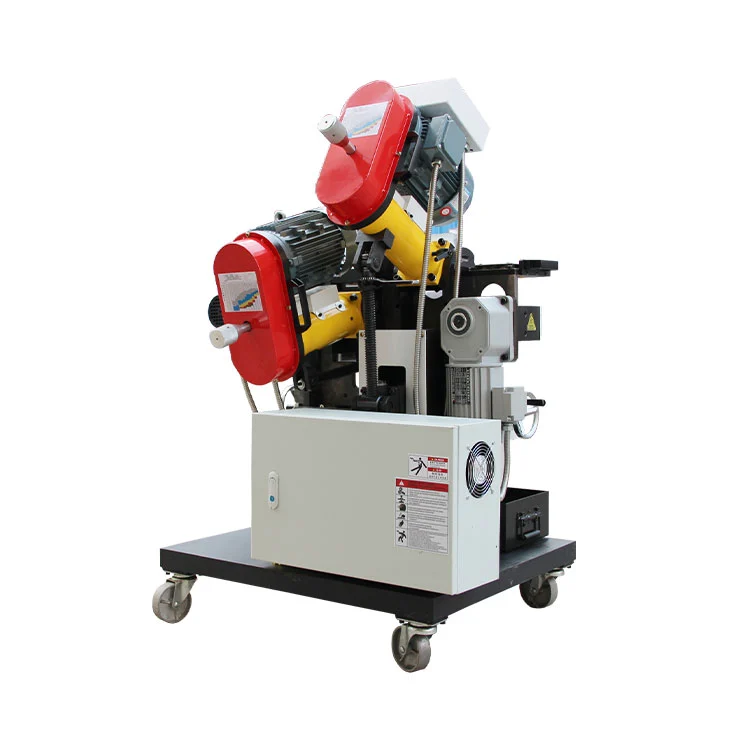
Table of Contents
Why Is Steel Plate Beveling Important?
What Is a Steel Plate Bevel Milling Machine?
What Key Features Should Buyers Evaluate?
Technical Specifications at a Glance
What Production Advantages Does Milling Provide?
How Should Manufacturers Select the Right Machine?
How Can You Start a Steel Plate Beveling Project?
Why Is Steel Plate Beveling Important?
Before welding thick steel plates, the edge often needs to be shaped into a specific groove profile. The purpose is not simply to remove material. The bevel geometry influences how welding material enters the joint and how effectively the two plates can be joined.
In fabrication environments, inconsistent bevel dimensions can create additional fitting, grinding or welding work. Manual methods may also depend heavily on operator experience, especially when long plate edges need to be processed repeatedly.
A controlled milling process offers several practical benefits:
- More consistent bevel width and angle.
- Reduced dependence on manual grinding.
- Better repeatability across multiple workpieces.
- Lower auxiliary handling requirements.
- Smoother milled surfaces for subsequent welding operations.
- More efficient preparation of long steel plate edges.
For manufacturers handling frequent plate fabrication, choosing the right edge preparation technology can therefore affect both welding preparation time and overall production flow.
What Is a Steel Plate Bevel Milling Machine?
A Steel Plate Bevel Milling Machine is an industrial edge-processing system designed to remove material from a steel plate at a controlled angle and depth. Unlike thermal cutting, milling is a cold machining process that uses rotating cutting tools to create the required edge profile.
The ZM-100X solution from Xianjin is designed for pre-weld chamfering and beveling of carbon steel, stainless steel and other metal plates. Its dual-spindle structure allows upper and lower beveling to be completed in one processing operation, reducing the need to turn or re-clamp the workpiece.
The machine supports several bevel configurations, including K/X, V/Y, 0° and U/J profiles, allowing manufacturers to adapt edge preparation to different welding requirements.
What Key Features Should Buyers Evaluate?
1. Dual-Spindle Beveling
The dual-spindle configuration is one of the main productivity-oriented features. The machine can process upper and lower bevels simultaneously, helping reduce secondary handling and workpiece repositioning.
2. Dual-Drive Travel System
Two synchronized travel motors help maintain stable movement along the plate edge. The system uses 3,000 W × 2 main motors together with high-torque low-speed drive outputs to support heavy-duty plate milling.
3. Adjustable Bevel Parameters
Processing parameters can be adjusted according to material thickness and required groove geometry. The ZM-100X provides a 0°–60° upper bevel angle range, travel speeds from 0 to 1.2 m/min and a cutter-head speed of 800 RPM.
4. Self-Propelled Operation
Instead of requiring operators to continuously push the machine, the self-propelled structure automatically travels along the workpiece. This can reduce physical workload during long edge-processing operations.
5. Spring-Supported Structure
The built-in dual-spring mechanism helps compensate for differences between the workpiece and working surface. It also helps absorb cutting vibration and maintain smoother machine movement.
6. Replaceable Carbide Inserts
The cutter uses indexable coated carbide inserts. The design allows worn inserts to be replaced without replacing the complete cutter head, helping simplify routine tooling maintenance and control consumable costs.
Technical Specifications at a Glance
The following specifications summarize the main processing capabilities of the ZM-100X model based on the manufacturer's published product information:
| Parameter | ZM-100X Specification | Practical Significance |
|---|---|---|
| Plate Thickness | 5–80 mm | Suitable for a broad range of plate fabrication tasks |
| Upper Bevel Angle | 0°–60° | Supports different welding groove requirements |
| Lower Bevel Angle | 0°–45° | Allows flexible lower-edge preparation |
| Travel Speed | 0–1.2 m/min | Adjustable movement for different processing conditions |
| Cutter Head Speed | 800 RPM | Supports controlled milling performance |
| Bevel Fine Adjustment | 1.5 mm/step | Enables dimensional adjustment during setup |
| Clamping Thickness | 5–80 mm | Accommodates different plate thicknesses |
| Single-Pass Bevel | C0–C20 mm | Supports controlled material removal |
| Maximum Bevel | C60 mm | Provides a wide beveling capability |
| Surface Roughness | ≤ Ra 3.2 μm | Produces a smooth milled bevel surface |
| Cutter Configuration | 2 × Φ80 mm cutter heads | Enables dual-side beveling operation |
| Insert Life | 600–800 m carbon steel; 300–500 m stainless steel | Helps estimate tooling consumption |
Where Is This Equipment Used?
Steel plate edge milling is relevant wherever plate edges must be prepared before welding or subsequent fabrication. Typical application environments include:
- Steel structure fabrication.
- Pressure vessel manufacturing.
- Pipeline and pipe-related fabrication.
- Heavy machinery manufacturing.
- Shipbuilding and marine fabrication.
- Construction equipment production.
- Large metal structure assembly.
- General welding and metalworking workshops.
For facilities processing stainless steel as well as carbon steel, the ability to use coated carbide inserts and adjust machining parameters can make the equipment more adaptable to changing production requirements.
What Production Advantages Does Milling Provide?
Consistent Edge Geometry
Controlled milling parameters help maintain a more uniform bevel profile along the processed edge. This is especially useful when multiple plates must meet consistent welding specifications.
Reduced Manual Handling
Self-propelled travel eliminates the need for continuous manual pushing. The automatic travel structure can therefore reduce operator workload during extended machining operations.
Faster Upper and Lower Preparation
A dual-spindle design can process upper and lower bevels simultaneously. According to Xianjin's published specifications, the configuration avoids repeated workpiece flipping and re-clamping when both sides require preparation.
Lower Tool Replacement Complexity
Indexable carbide inserts can be replaced individually. This approach makes routine cutter maintenance more straightforward than replacing an entire cutting assembly after insert wear.
Better Workpiece Protection
Driving rubber rollers are designed to reduce potential damage to the plate surface during machine travel. A self-tightening structure also helps reduce edge slipping during processing.
How Should Manufacturers Select the Right Machine?
Before purchasing a plate beveling system, manufacturers should evaluate the machine against actual production conditions rather than focusing only on motor power or headline processing speed.
- Check plate thickness: Confirm that the machine's clamping and machining range covers your regular plate thicknesses.
- Define bevel requirements: Identify whether your welding process requires V, Y, K, X, U, J or other edge profiles.
- Evaluate production volume: Higher-volume operations can benefit more from self-propelled and dual-spindle processing.
- Consider material type: Carbon steel and stainless steel can have different cutting and tooling requirements.
- Review adjustment capability: Fine adjustment and variable travel speed are important for controlling bevel dimensions.
- Check tooling availability: Standardized, replaceable inserts can simplify long-term maintenance.
- Consider after-sales support: Response time, warranty coverage and technical support should be evaluated before purchase.
For manufacturers comparing different equipment options, the Xianjin Steel Plate Bevel Milling Machine provides detailed technical information for evaluating plate thickness, bevel range, cutter configuration and operating characteristics.
Frequently Asked Questions
What materials can the machine process?
The machine is designed for pre-weld beveling of carbon steel, stainless steel and other metal plates. Actual cutting conditions should be selected according to the specific material and processing requirements.
What plate thickness can the ZM-100X handle?
The published clamping and processing range is 5–80 mm. Manufacturers should confirm the actual workpiece dimensions and required bevel geometry before ordering.
Can upper and lower bevels be processed at the same time?
Yes. The dual-spindle structure is designed to perform upper and lower beveling simultaneously, reducing the need for workpiece flipping or repeated clamping.
What bevel angles are available?
The published adjustment range is 0°–60° for the upper bevel and 0°–45° for the lower bevel. The appropriate setting depends on the required welding joint configuration.
How long do the cutter inserts last?
Xianjin specifies an approximate insert service life of 600–800 m when processing carbon steel and 300–500 m for stainless steel. Actual life can vary according to material properties, bevel dimensions, cutting conditions and operating practices.
Does the machine require manual pushing?
No. The machine uses a self-propelled travel system, allowing it to move along the plate automatically instead of requiring continuous manual pushing.
What warranty and technical support are available?
According to the published product information, the equipment includes a 12-month free warranty from the date of acceptance. Xianjin also states that technical consultation and maintenance support are available during and after the warranty period.
How Can You Start a Steel Plate Beveling Project?
Choosing the right edge preparation equipment depends on your plate thickness, material, bevel profile, production volume and welding process. Xianjin's ZM-100X combines automatic travel, dual-spindle milling, adjustable bevel parameters and replaceable carbide tooling for industrial steel plate preparation. If you are evaluating equipment specifications, processing capacity, customization requirements or delivery options, contact us to discuss your application and request a suitable solution from Xianjin.