Shanghai Xianjin Pipeline Equipment Co., Ltd.
News

How Can a CNC Beveling Machine for Pipe Improve Welding Precision and Pipeline Production Efficiency

2026-10-27 0 Leave me a message

Article Summary: A CNC beveling machine for pipe helps manufacturers and pipeline contractors prepare accurate pipe ends for welding, improve machining consistency, and streamline industrial fabrication. By combining computer-controlled processing with suitable cutting tools and clamping systems, this equipment can support repeatable bevel geometries across demanding production applications. This guide explains how CNC pipe beveling works, its key advantages, important selection criteria, and practical maintenance considerations. Xianjin provides pipeline processing equipment for industrial users seeking reliable pipe cutting and beveling solutions, with customization options available for specific processing requirements.

CNC Beveling Machine Pipe

Table of Contents


What Is a CNC Beveling Machine for Pipe?

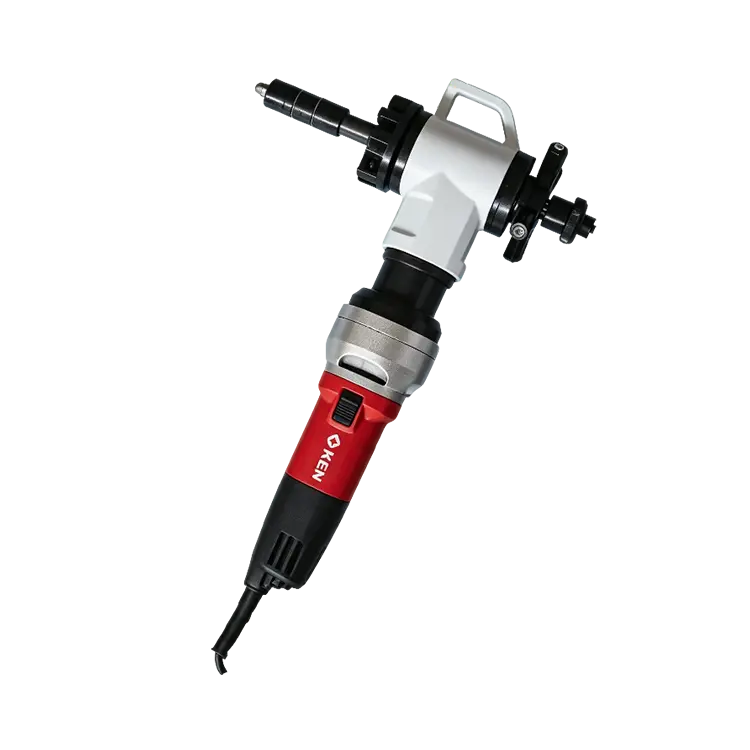
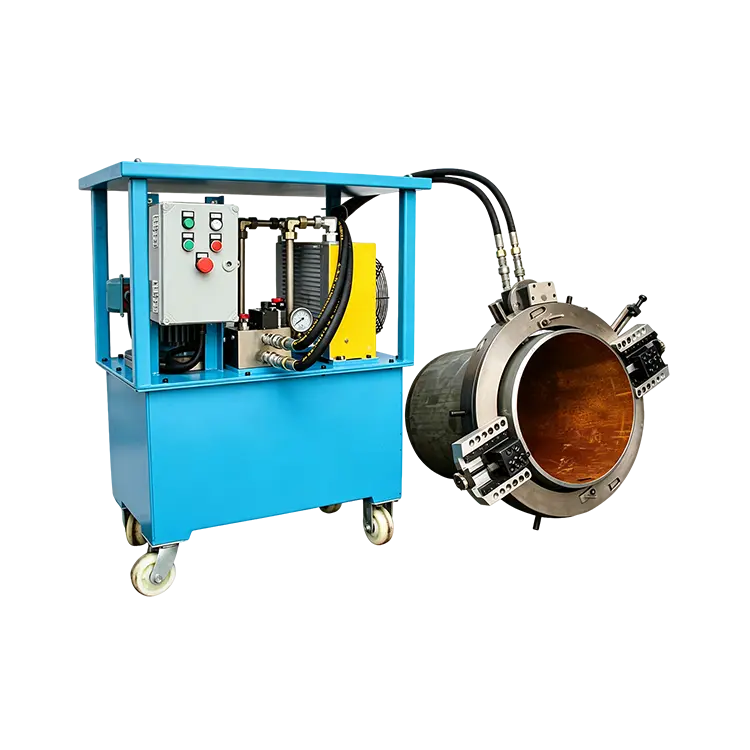
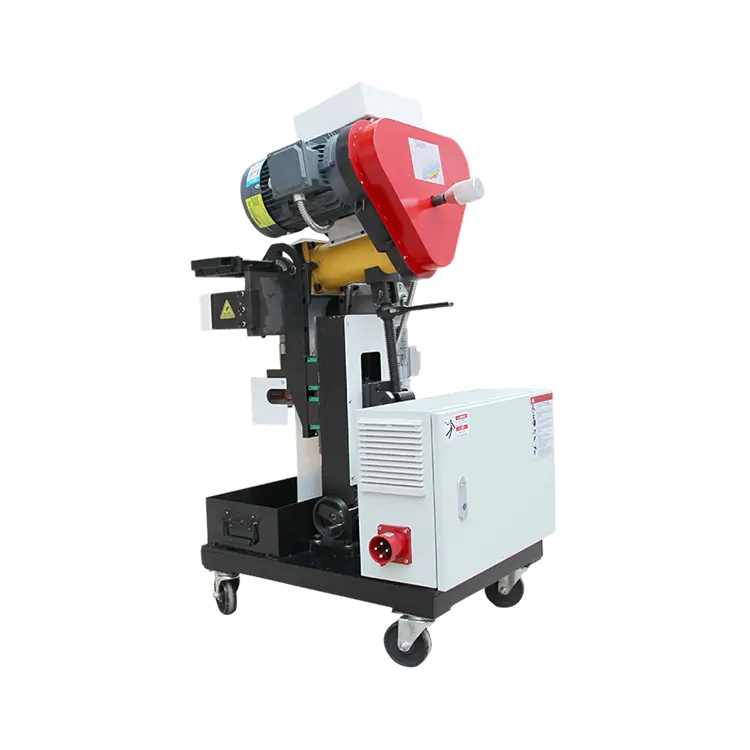
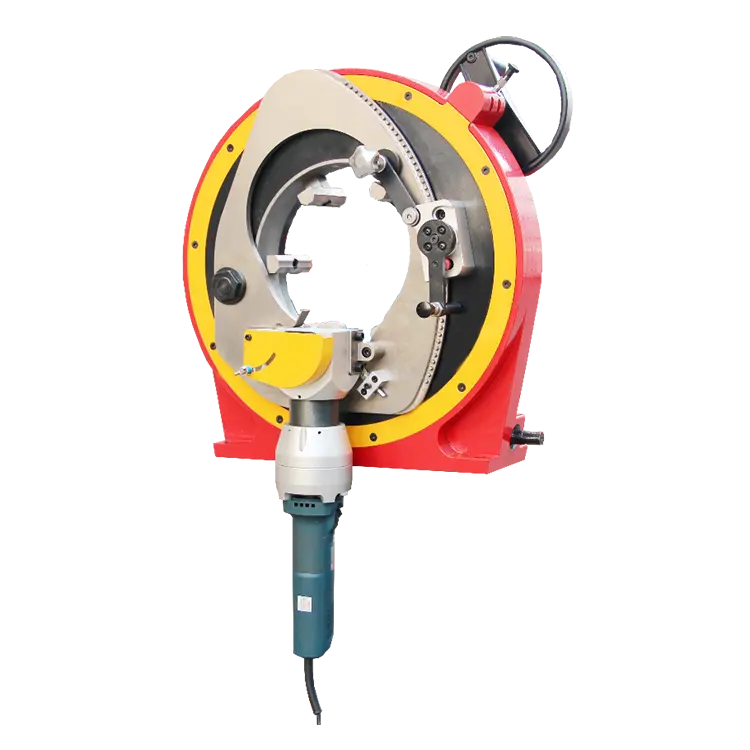
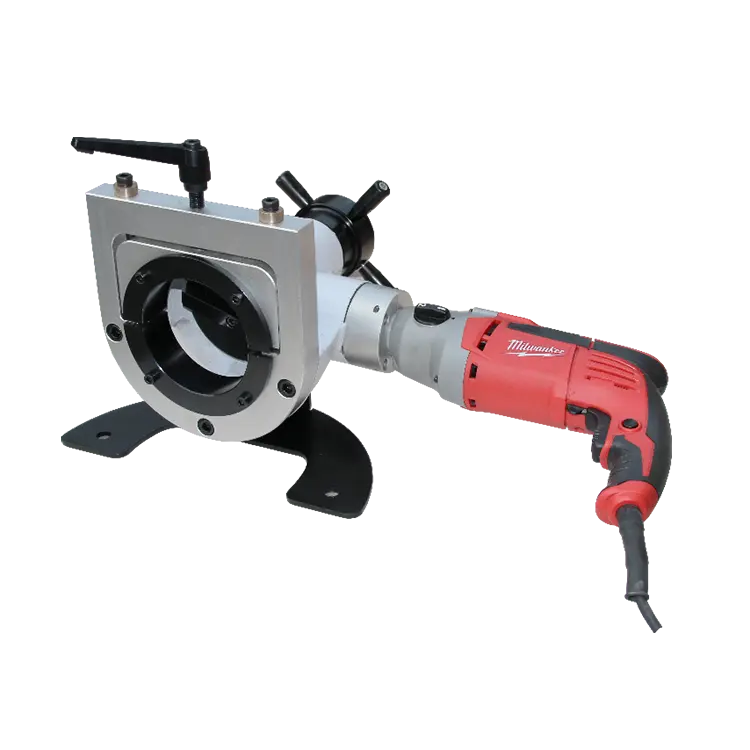
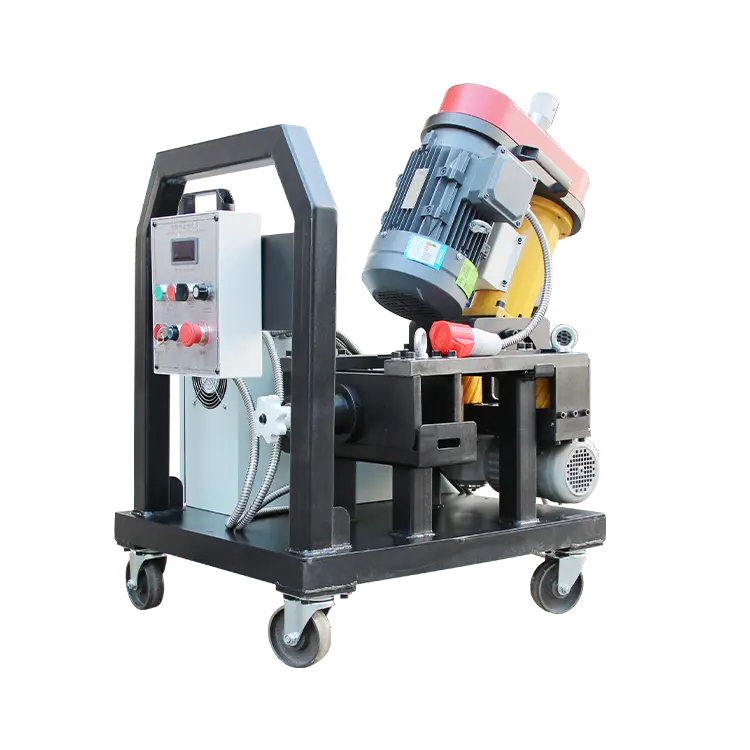
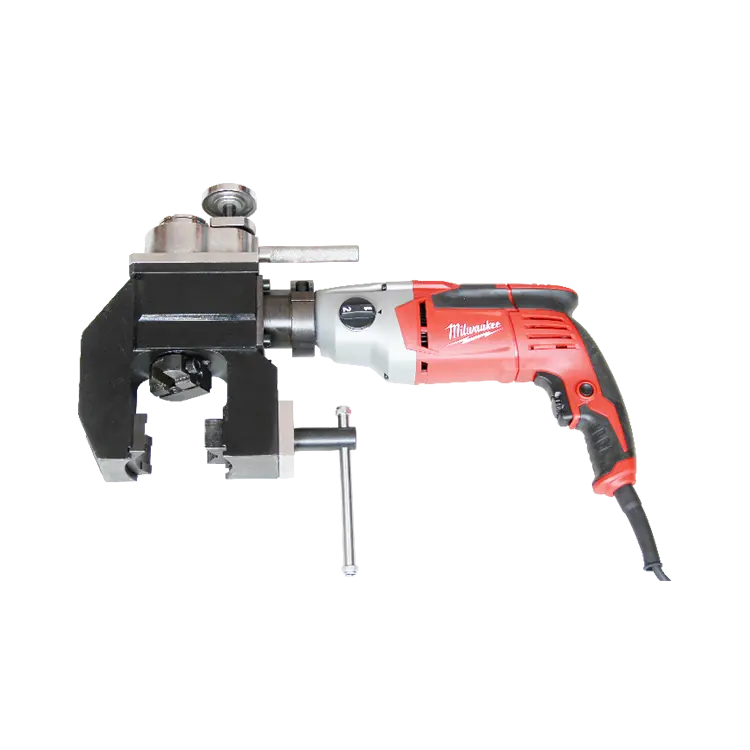
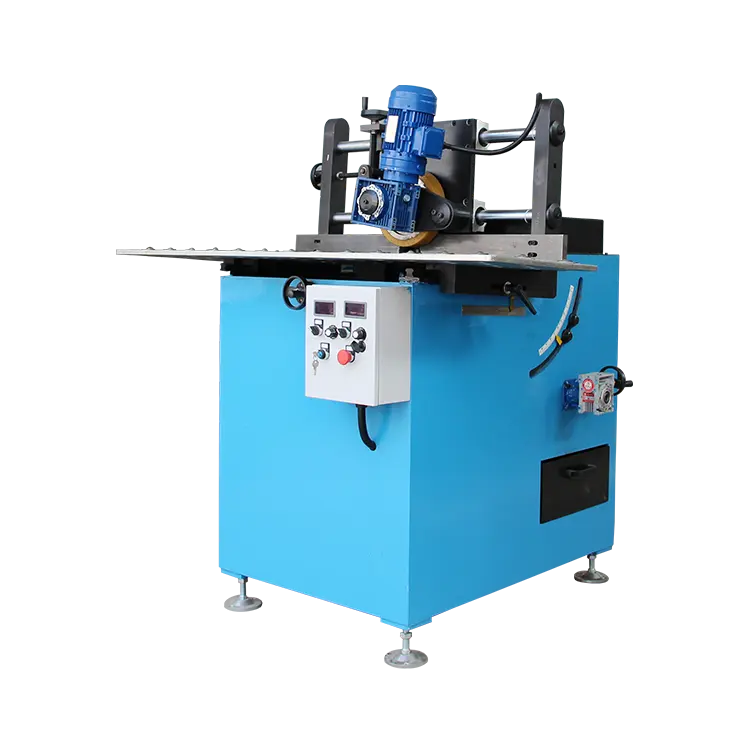
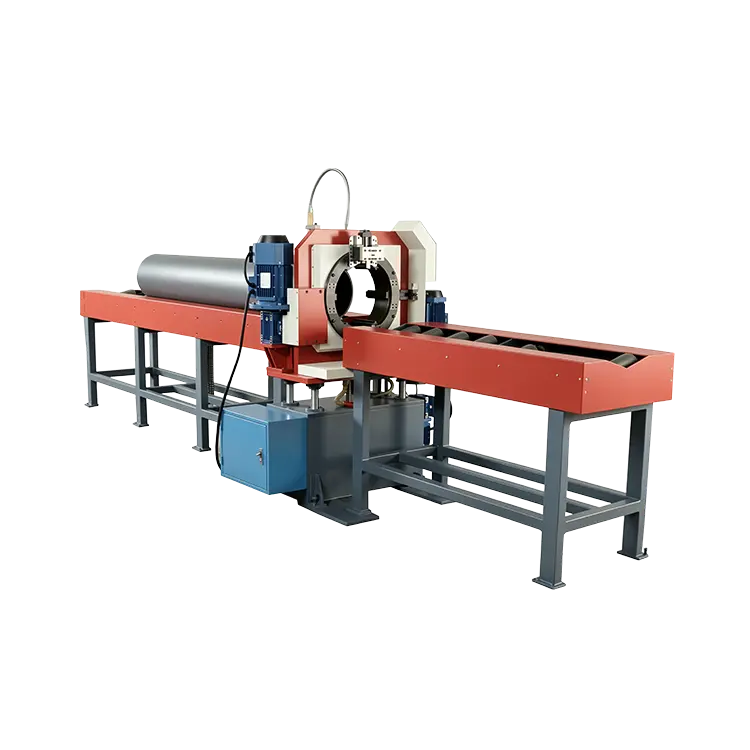
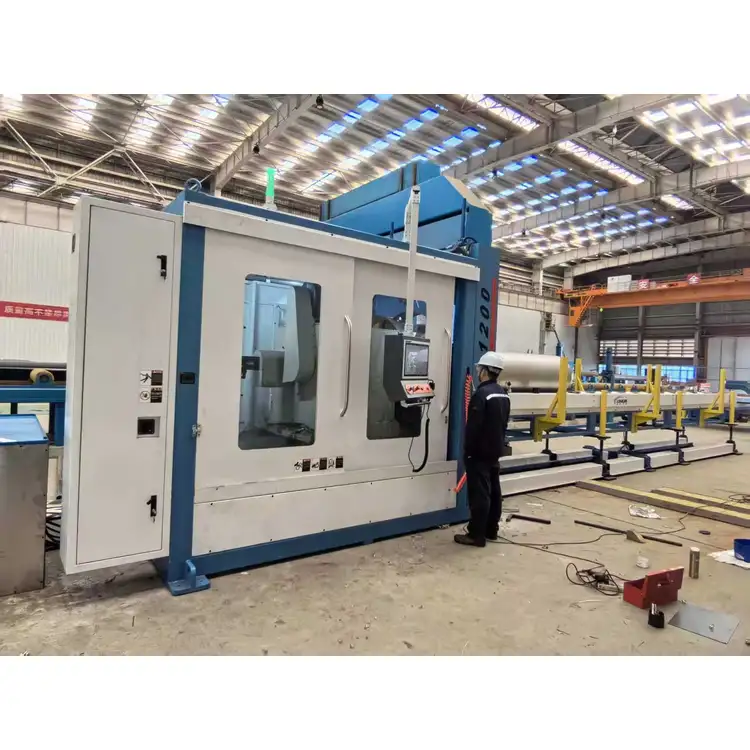
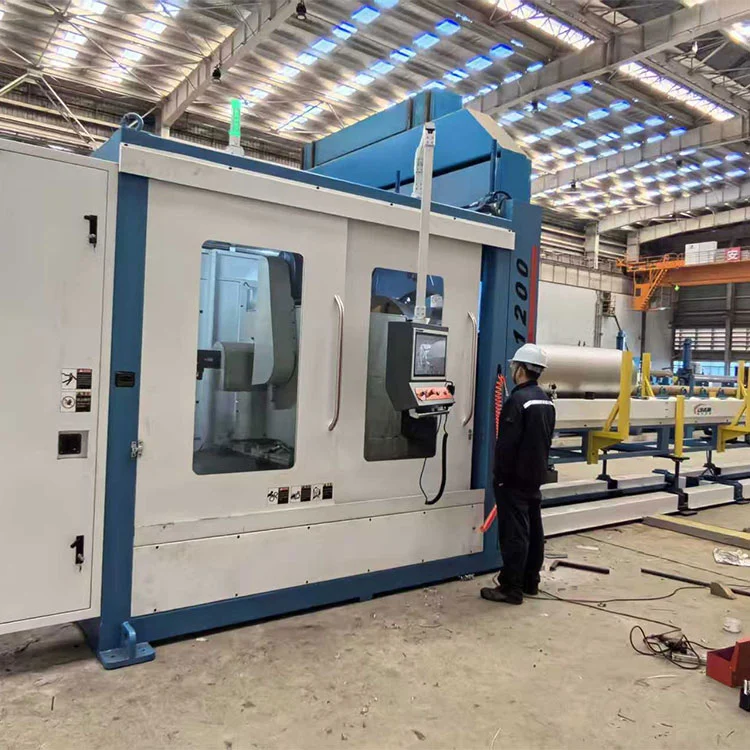
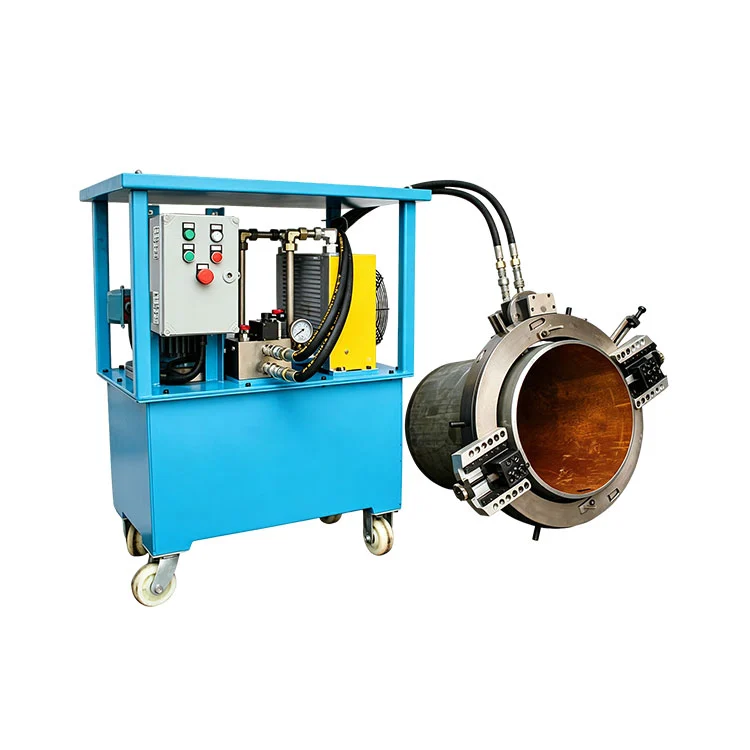
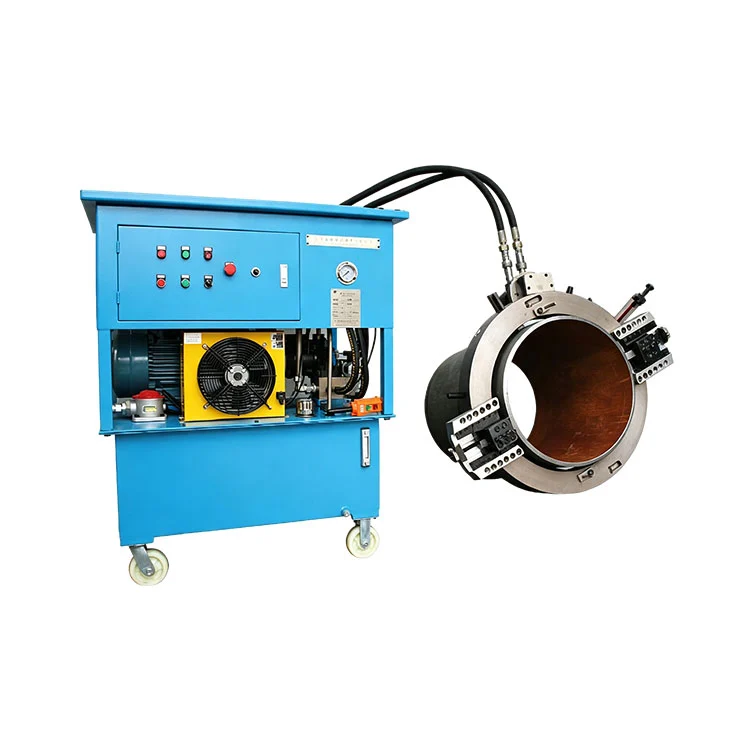
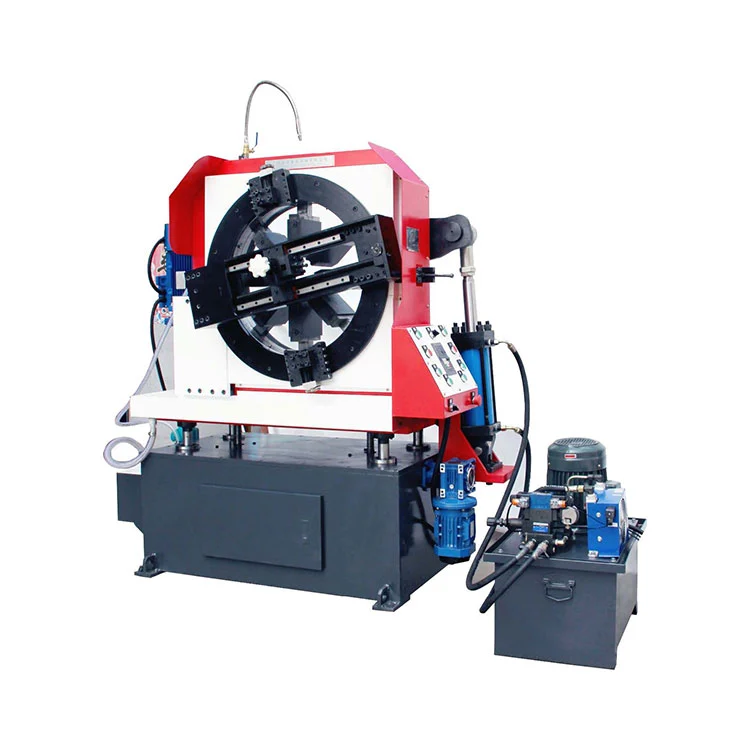
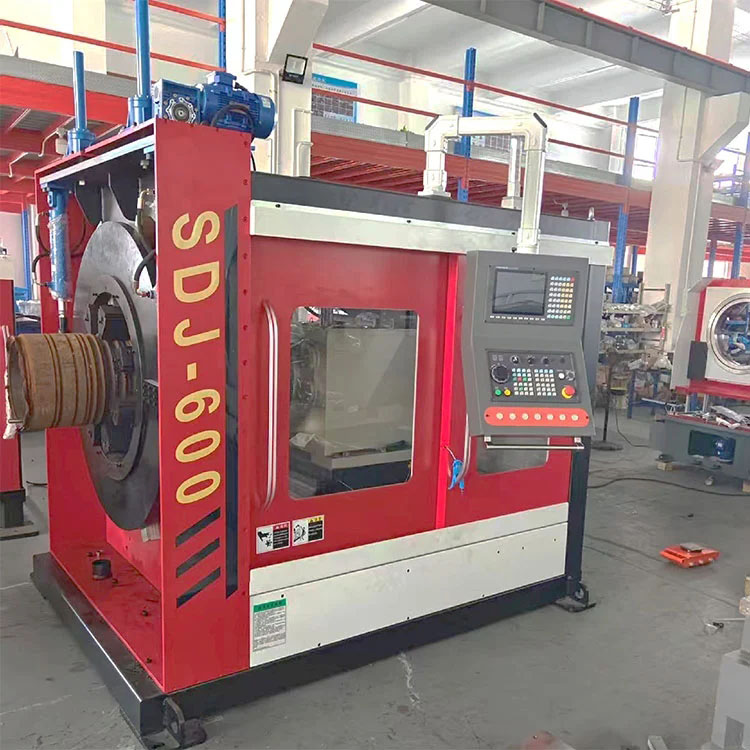
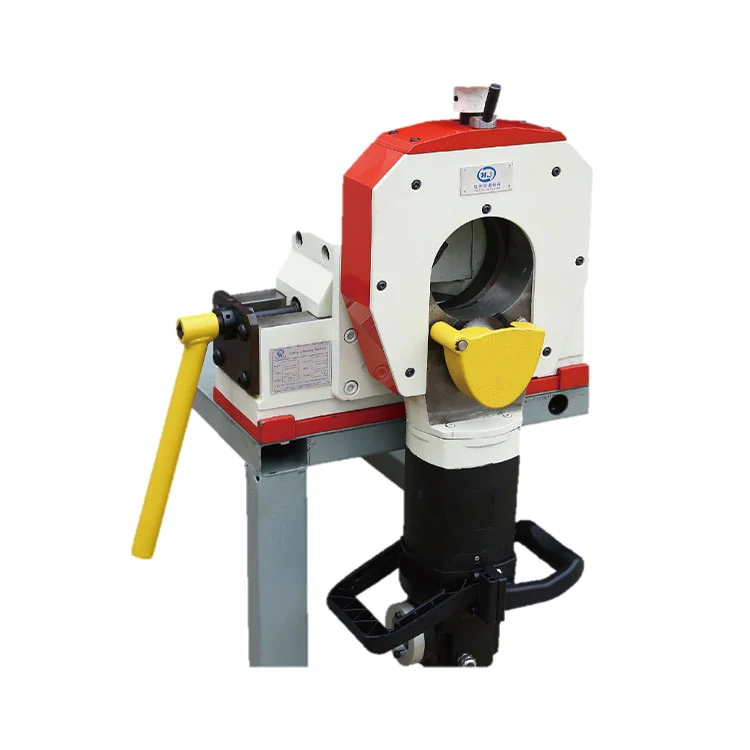
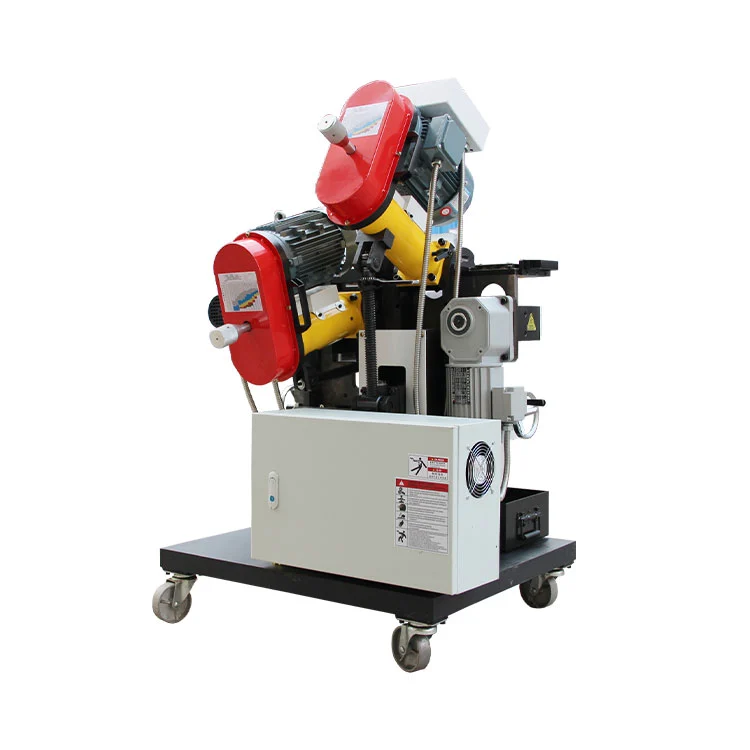
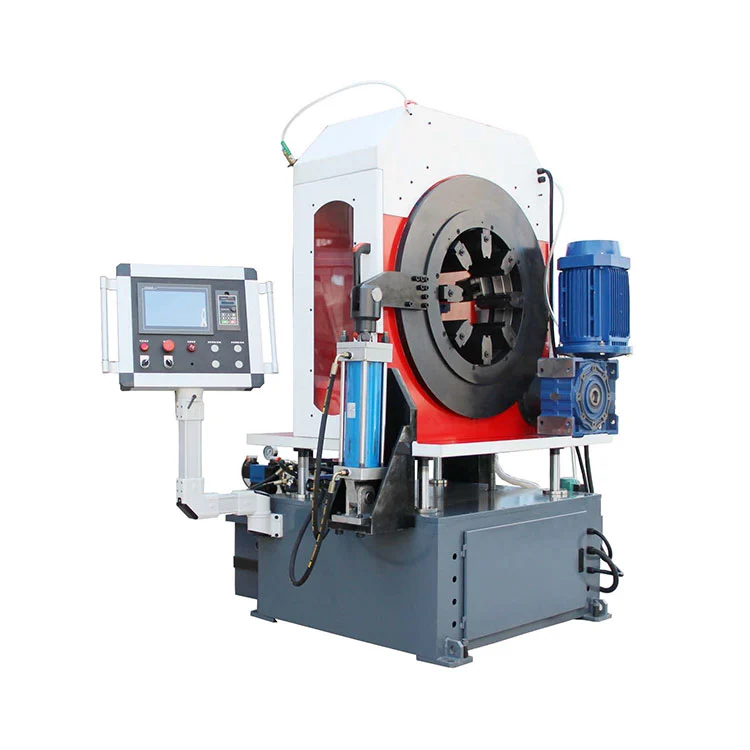
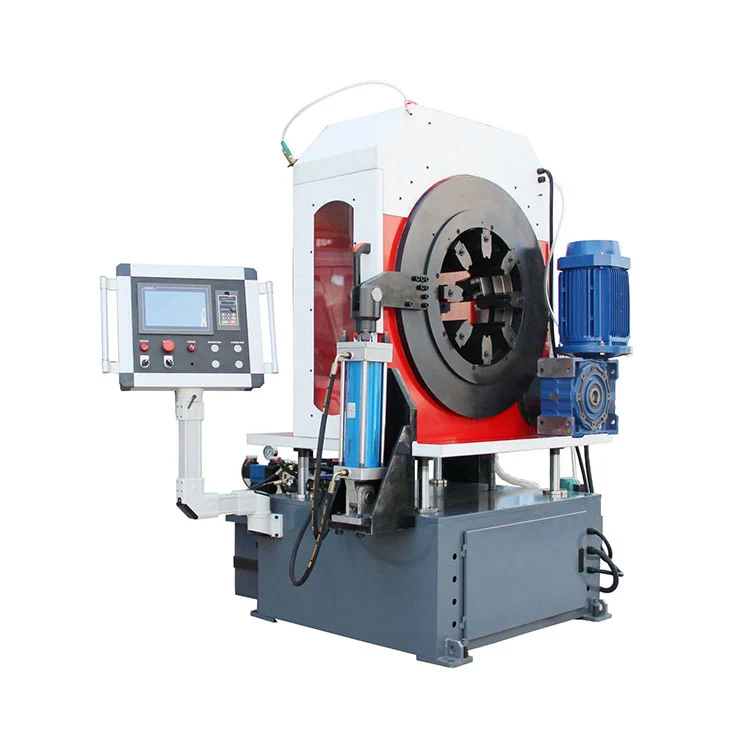
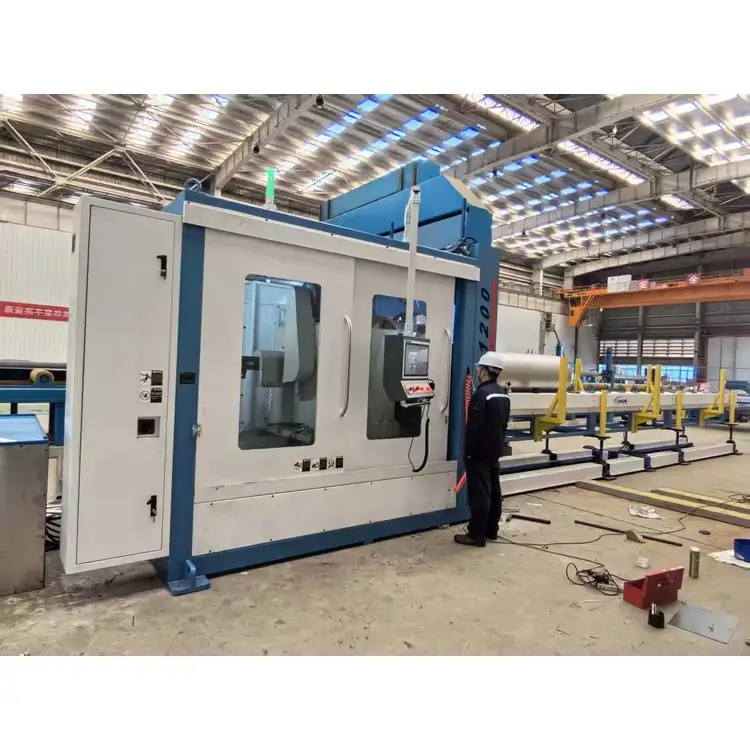
A CNC beveling machine for pipe is an industrial processing system designed to machine pipe ends into specified angled profiles. CNC stands for computer numerical control, which allows programmed machining movements to guide the cutting process. Depending on the machine configuration, the equipment may perform beveling, end preparation, cutting, facing, or multiple operations within an integrated workflow.

Pipe beveling is particularly important when two pipe sections must be joined through welding. Instead of leaving a square edge, the operator prepares the pipe end at a defined angle and root geometry suitable for the selected welding procedure. Proper preparation can help establish appropriate weld access, fit-up, and penetration conditions.

For industrial buyers, the main objective is not simply to create an angled edge. It is to achieve a repeatable profile that meets engineering requirements while controlling machining time, material waste, and operator workload.

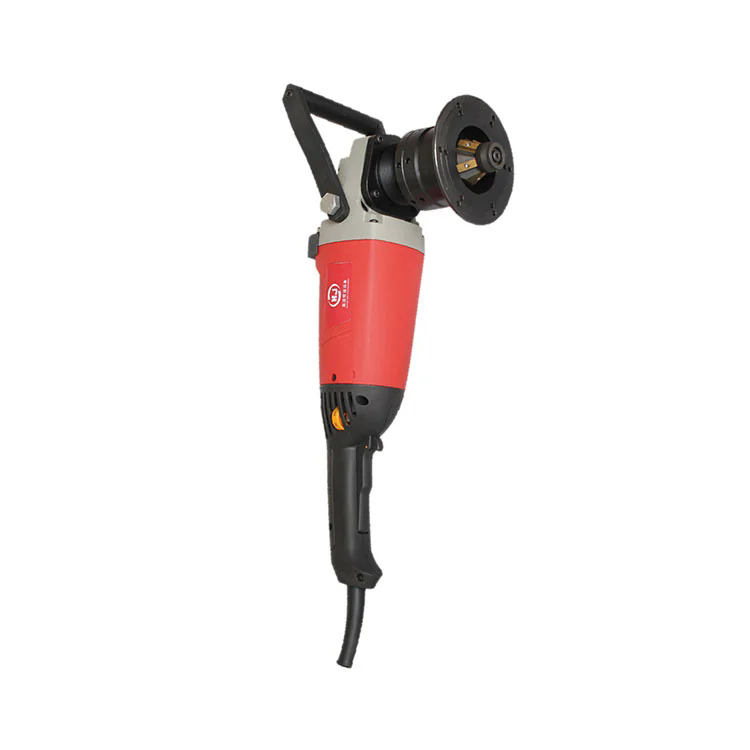
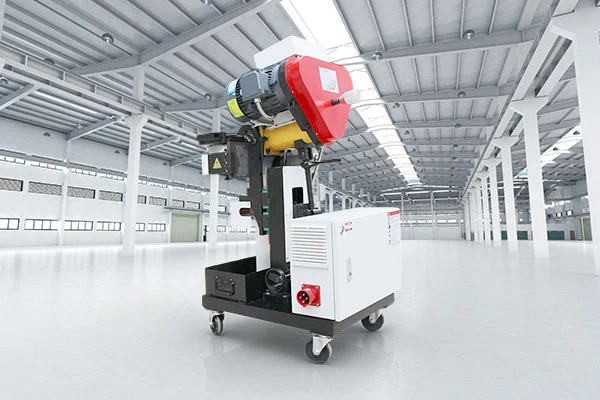
Xianjin specializes in pipeline cutting and beveling equipment, including CNC pipe cutting and beveling machines and other pipe-end preparation solutions. The appropriate configuration depends on the pipe dimensions, material, production environment, and required machining operations.


How Does CNC Pipe Beveling Work?

The CNC pipe beveling process combines mechanical positioning, cutting tools, workpiece restraint, and programmed movements. Although the exact operating sequence varies by machine design, most applications follow several fundamental steps.

  1. Load and position the pipe: Place the workpiece in the designated support or clamping system and establish the correct machining position.
  2. Enter the processing parameters: Configure the required bevel angle, cutting depth, pipe dimensions, and other parameters supported by the machine.
  3. Secure the workpiece: Confirm that the pipe is properly supported and clamped to minimize movement and vibration.
  4. Execute the machining cycle: The machine follows its programmed movements to produce the required bevel profile.
  5. Inspect the finished edge: Check the bevel angle, root face, surface condition, and dimensional conformity against the applicable drawing or welding procedure.

Depending on the equipment design, pipe rotation, tool movement, and clamping may be controlled through different mechanical arrangements. Buyers should therefore confirm the actual CNC functions, degree of automation, and supported machining operations rather than assuming every machine offers identical capabilities.

Successful processing also depends on the condition of the cutting tool, workpiece stability, correct parameter settings, and the characteristics of the material being machined.


What Are the Main Benefits of CNC Pipe Beveling?

1. Consistent Bevel Geometry

Computer-controlled movements help maintain consistent machining paths when processing repeated workpieces. This is valuable for fabrication shops that need uniform pipe-end preparation across batches or projects involving numerous welded joints.

Repeatability still depends on machine condition, tooling, workpiece alignment, and process setup. A properly maintained machine combined with an established inspection procedure provides a stronger foundation for consistent results.

2. Improved Production Workflow

Automating suitable machining movements can reduce repetitive manual operations and simplify the preparation of multiple pipe sections. Depending on the application, CNC processing can also reduce the need for repeated adjustments between compatible workpieces.

Actual productivity improvements should be evaluated using the complete cycle time, including loading, clamping, cutting, inspection, and material handling.

3. Better Support for Welding Preparation

Accurate beveling helps fabricators prepare pipe ends according to the requirements of a specified welding procedure. Correct edge geometry can improve joint fit-up and provide appropriate access for subsequent welding operations.

However, beveling alone does not guarantee weld quality. Joint design, material compatibility, cleanliness, alignment, and welding parameters remain important.

4. Reduced Dependence on Manual Adjustment

Once an approved machining program and setup have been established, CNC equipment can reduce some repetitive manual positioning and cutting tasks. This may help standardize production procedures and make operator training more structured.

5. Flexible Processing Potential

Different pipe projects can require different diameters, wall thicknesses, bevel angles, and edge profiles. A suitable CNC system may accommodate multiple processing requirements within its specified operating range, subject to its tooling and programming capabilities.


Which Industries Use CNC Pipe Beveling Machines?

CNC pipe beveling equipment is used wherever pipe ends require controlled preparation before welding, assembly, or further fabrication. Its suitability depends on the material, dimensional range, and production conditions.

  • Oil and gas: Preparing pipe ends for pipeline fabrication, maintenance, and industrial piping projects.
  • Petrochemical processing: Supporting the fabrication of process piping and related industrial systems.
  • Power generation: Preparing pipe sections used in suitable plant piping and utility systems.
  • Shipbuilding: Processing piping components for marine systems and shipyard fabrication.
  • Industrial construction: Supporting pipeline installation, prefabrication, and site-based welding preparation.
  • General metal fabrication: Preparing tubular components for equipment manufacturing and engineered assemblies.

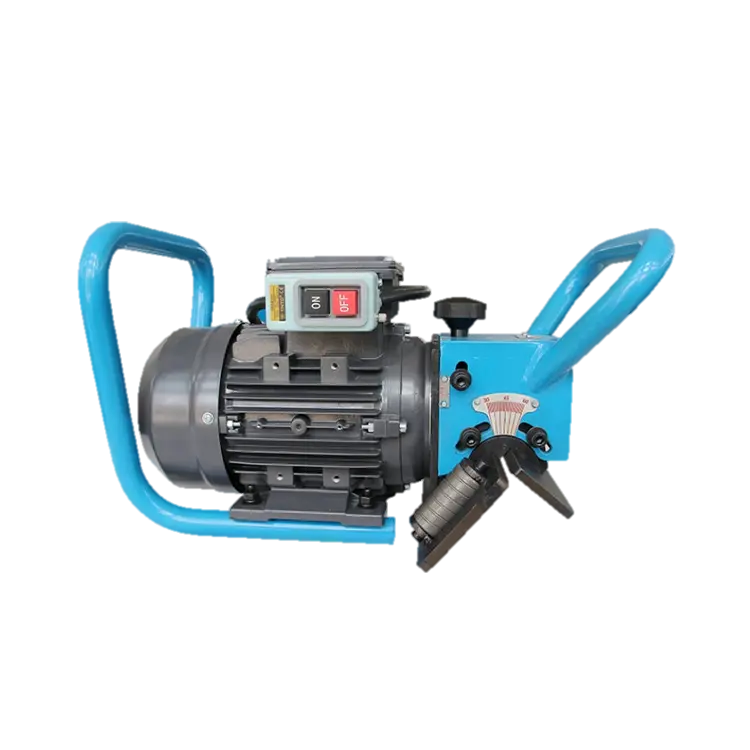
Before purchasing, confirm whether the proposed machine is intended for workshop production, field installation, or both. Portable equipment may be preferable for restricted job sites, while production-oriented CNC systems may be better suited to repetitive fabrication in a dedicated facility.


How Does CNC Beveling Compare with Manual Processing?

Manual and CNC pipe beveling can both be appropriate, depending on the production environment. The main differences concern process control, repeatability, operator involvement, and the complexity of the required bevel profiles.

Evaluation Factor CNC Pipe Beveling Manual Beveling
Process control Programmed movements and configurable machining parameters Relies more heavily on operator technique and adjustment
Repeatability Supports consistent results with validated setups Can vary with operator skill and working conditions
Production suitability Useful for repetitive or parameter-controlled workflows Often practical for occasional or low-volume work
Setup requirements May require programming, tooling selection, and initial calibration May require less digital setup for simple jobs
Operator involvement Can reduce repetitive manual machining tasks Typically requires more direct control during processing
Investment considerations Includes equipment, tooling, training, and maintenance costs May involve lower initial equipment expenditure

For buyers processing a high volume of similar components, the value of CNC equipment may come from repeatability and workflow standardization. For occasional repairs or highly variable site work, a suitable manual or portable beveling machine may be more economical.

A practical purchasing decision should compare total operating costs and the actual production requirements rather than relying on automation level alone.


How to Choose the Right CNC Beveling Machine

Selecting a CNC beveling machine for pipe requires matching the machine's verified capabilities to the workpieces and production objectives. A clear technical specification helps prevent capacity mismatches and unnecessary investment.

1. Confirm Pipe Diameter and Wall Thickness

Identify the minimum and maximum pipe diameters and the wall thicknesses that need to be processed. Confirm the supported dimensional range for the specific model, including any restrictions associated with tooling or clamping arrangements.

2. Specify the Pipe Material

Carbon steel, stainless steel, and other alloys may require different cutting tools, speeds, and machining strategies. Provide the supplier with the actual material grades so that tooling suitability and processing recommendations can be evaluated.

3. Define Bevel Angles and Edge Geometry

Specify the required bevel angle, root face, root gap requirements where relevant, and any additional edge profiles. Confirm whether the machine supports the complete range of profiles needed for your welding procedures.

4. Evaluate CNC Functions and Automation

Ask which movements are CNC-controlled, whether programs can be stored and reused, and how operators enter or modify machining parameters. If automatic loading, pipe rotation, or integrated cutting is required, verify these functions separately.

5. Consider Workshop or Field Conditions

Installation space, power supply, pipe handling equipment, environmental conditions, and access for maintenance can affect the choice of machine. For field applications, also consider portability, setup time, and the availability of suitable workpiece supports.

6. Review Supplier Support

Assess the availability of replacement tooling, technical documentation, operator training, spare parts, and after-sales assistance. Xianjin offers pipeline processing equipment and customization support for suitable non-standard requirements. Buyers should discuss their specific pipe dimensions and operating conditions with the technical team before confirming a configuration.

Purchasing checklist:

  • Pipe diameter range and wall thickness
  • Material grade and expected workload
  • Required bevel angles and edge profiles
  • Cutting, facing, and beveling functions
  • Supported CNC controls and programming options
  • Power requirements and installation conditions
  • Tooling availability and maintenance arrangements
  • Delivery schedule, warranty terms, and technical support

Quality Control and Maintenance Considerations

Even a well-designed CNC pipe beveling machine requires a controlled operating process. Regular inspection helps identify issues before they affect production quality or equipment availability.

Establish a Repeatable Inspection Procedure

Check the finished pipe end against the approved engineering drawing and welding procedure. Depending on the application, inspections may cover bevel angle, root face, surface finish, dimensional consistency, burrs, and visible defects.

Use suitable calibrated measuring tools and document inspection results where project quality requirements call for traceability. The acceptance criteria should come from the relevant specification rather than an assumed universal tolerance.

Maintain Cutting Tools and Clamping Components

Inspect cutting edges for wear or damage, clean relevant contact surfaces, and verify that clamping components operate correctly. Worn tooling and unstable workpieces can contribute to inconsistent bevel geometry, rough surfaces, and avoidable rework.

Follow Safe Operating Practices

  • Secure the pipe before starting the machining cycle.
  • Keep guards and safety devices in their required operating condition.
  • Use appropriate protective equipment and follow site safety procedures.
  • Stop the machine before adjustments or maintenance that require isolation.
  • Follow the manufacturer's instructions for lubrication, cleaning, and servicing.

Preventive maintenance should follow the equipment manufacturer's recommendations and reflect actual operating intensity. Proper training, documented procedures, and timely replacement of worn components help support stable long-term operation.


Frequently Asked Questions

1. What is a CNC beveling machine for pipe used for?

It prepares pipe ends by machining angled edges and, depending on the configuration, performing related end-preparation or cutting operations. The objective is to achieve the specified geometry for subsequent welding or fabrication.

2. Can a CNC pipe beveling machine process different pipe materials?

Many machines can process different materials when the material falls within the machine's rated capabilities and suitable tooling and machining parameters are used. Confirm compatibility with the supplier for the specific material grade and wall thickness.

3. Does CNC beveling improve welding quality?

Accurate and repeatable bevel preparation can support correct joint fit-up and appropriate welding access. However, final weld quality also depends on the welding procedure, material condition, cleanliness, alignment, and execution.

4. What information is needed to select a suitable machine?

Provide pipe diameter, wall thickness, material grade, required bevel angle, edge geometry, production volume, installation environment, and desired automation functions. These details help the supplier recommend a suitable configuration.

5. Is CNC pipe beveling suitable for on-site pipeline construction?

It can be suitable when the equipment's design, dimensions, power requirements, and environmental capabilities match the job site. Portable or field-oriented models may be more appropriate than larger workshop systems for restricted installation areas.

6. How can buyers evaluate the return on investment?

Compare equipment and tooling costs with labor requirements, machining cycle time, rework rates, maintenance expenditure, and expected utilization. A production trial or documented cycle-time estimate can provide a more reliable basis for evaluating potential savings.

7. Does Xianjin provide customized pipe beveling solutions?

Xianjin offers pipeline processing equipment and supports customization for suitable non-standard requirements. Buyers should provide detailed workpiece dimensions, processing objectives, and site conditions to determine the feasibility and configuration of a proposed solution.


Conclusion: Find a Suitable Pipe Beveling Solution

A CNC beveling machine for pipe can help industrial manufacturers and pipeline contractors improve the consistency of pipe-end preparation, organize repetitive machining tasks, and support welding-ready fabrication workflows. The right choice depends on verified machine capacity, pipe material, required bevel geometry, automation functions, and the working environment.

Before investing, compare technical specifications, clarify quality requirements, and evaluate the supplier's tooling and after-sales support. Xianjin provides pipeline cutting and beveling equipment for a range of industrial processing needs, with options to discuss project-specific requirements. If you are looking for a suitable CNC beveling machine for pipe, contact us to share your pipe dimensions, material specifications, and machining objectives. Our team can help you evaluate an appropriate equipment configuration for your production or pipeline project.

Related News
Leave me a message
X
We use cookies to offer you a better browsing experience, analyze site traffic and personalize content. By using this site, you agree to our use of cookies. Privacy Policy
RejectAccept