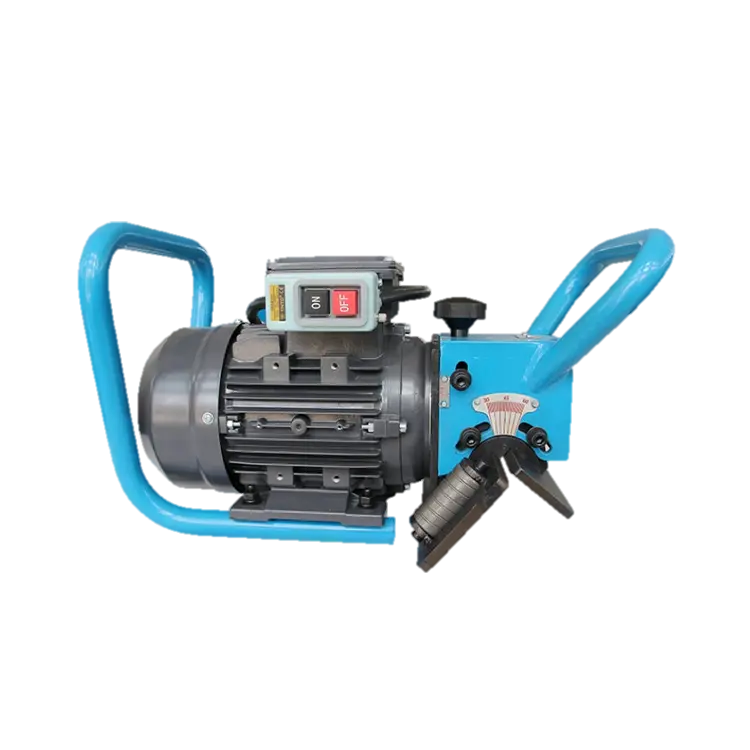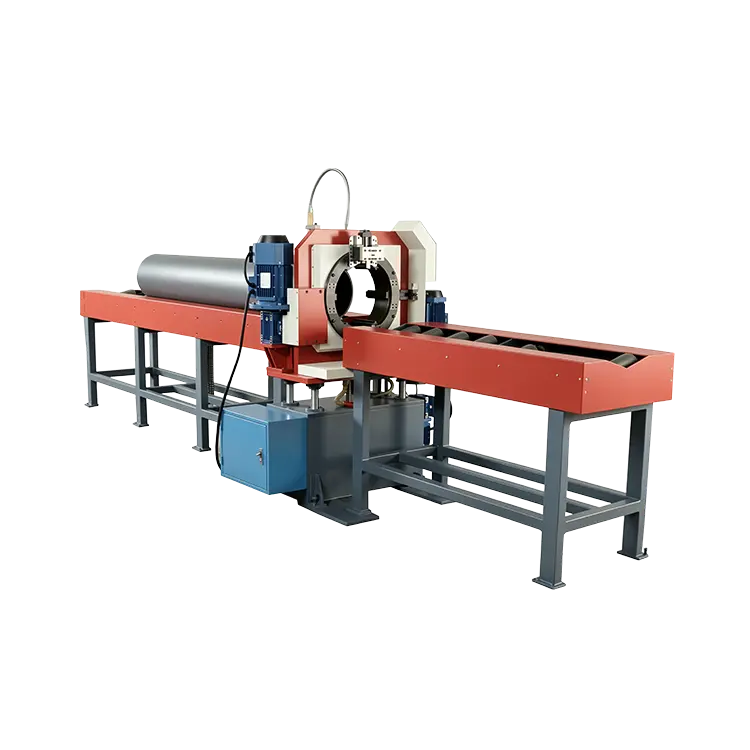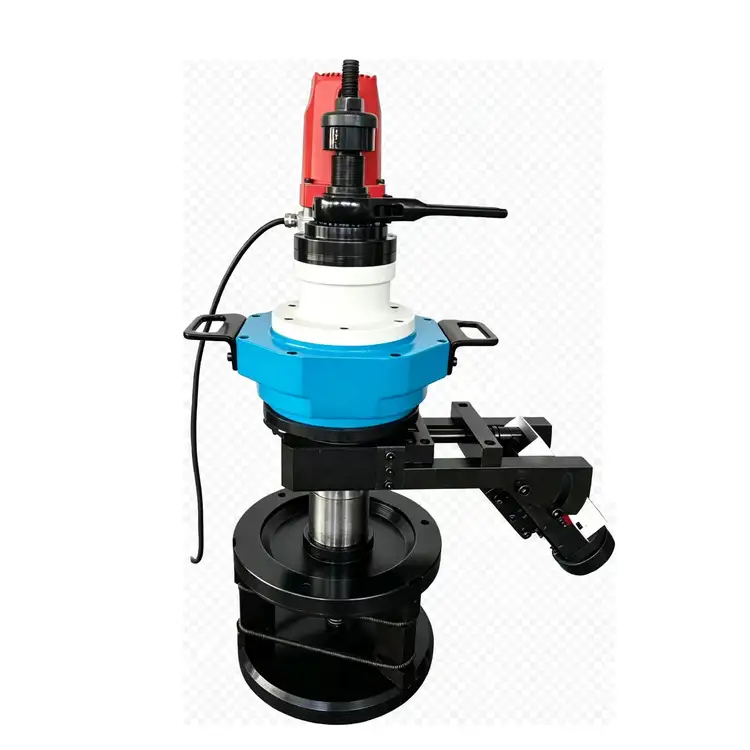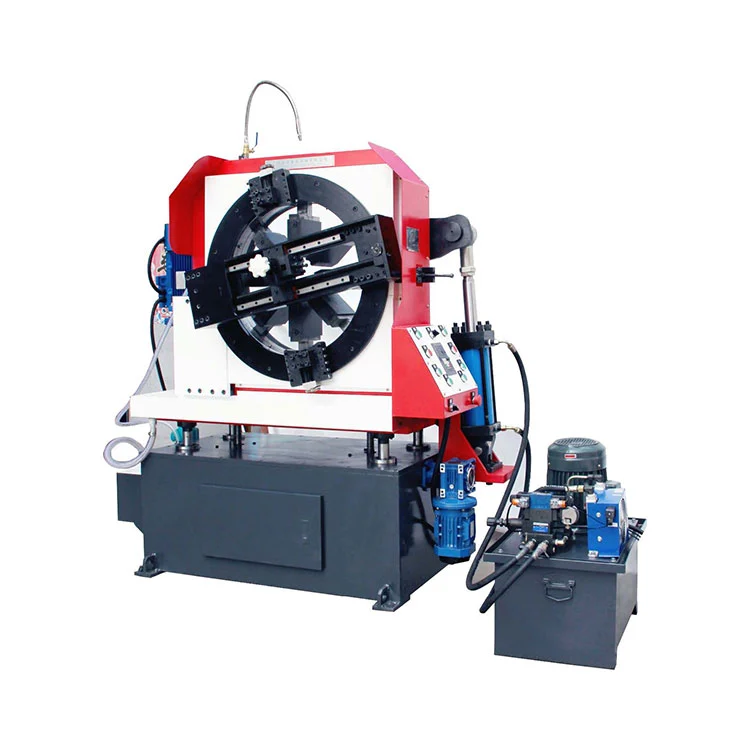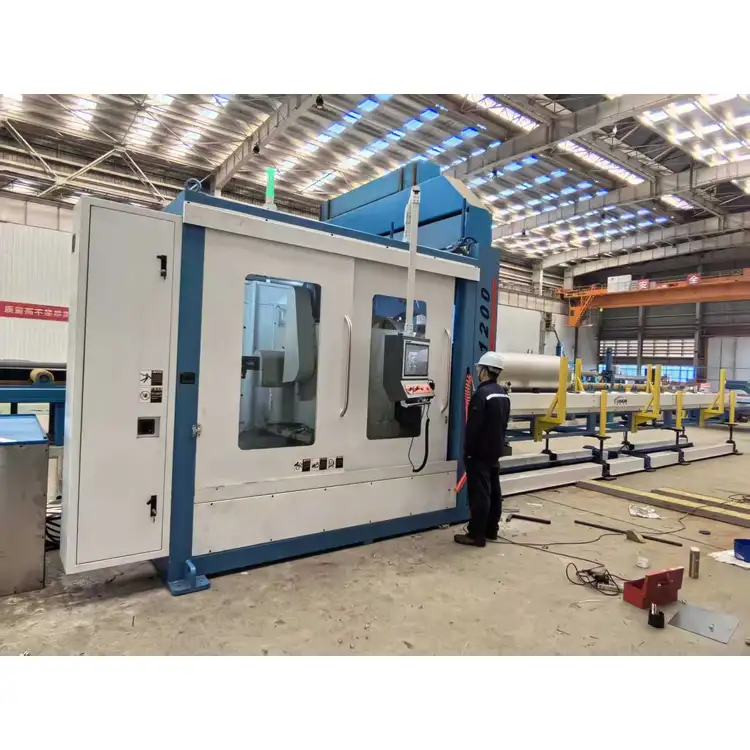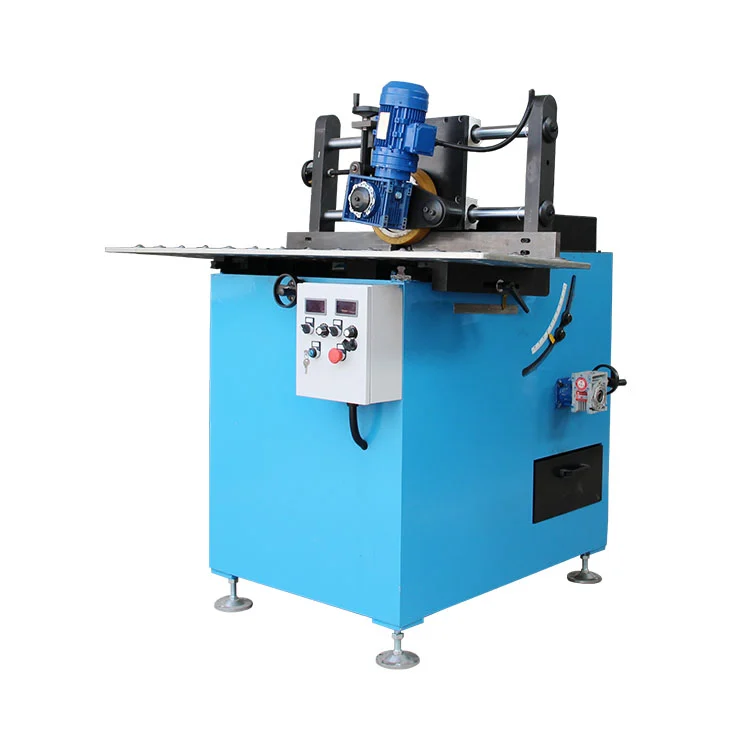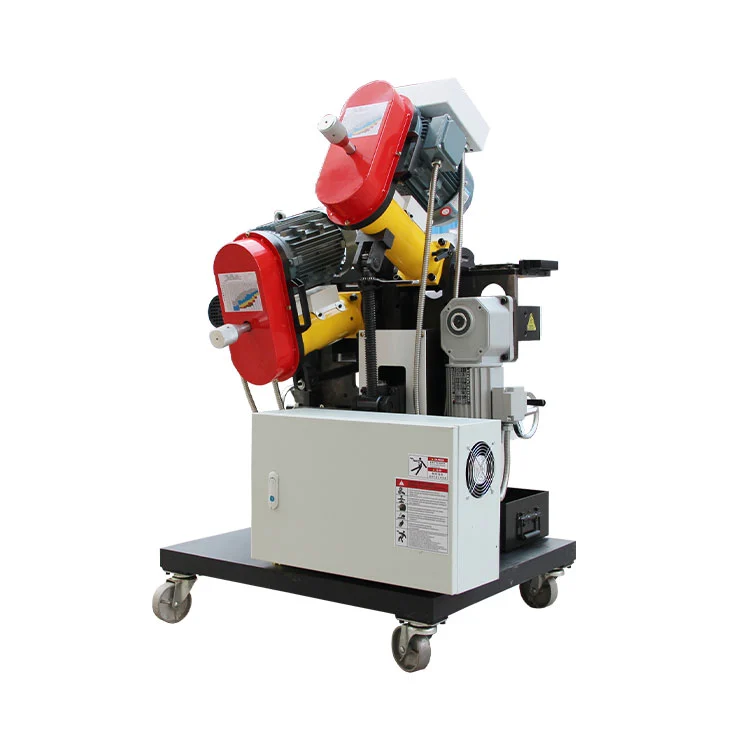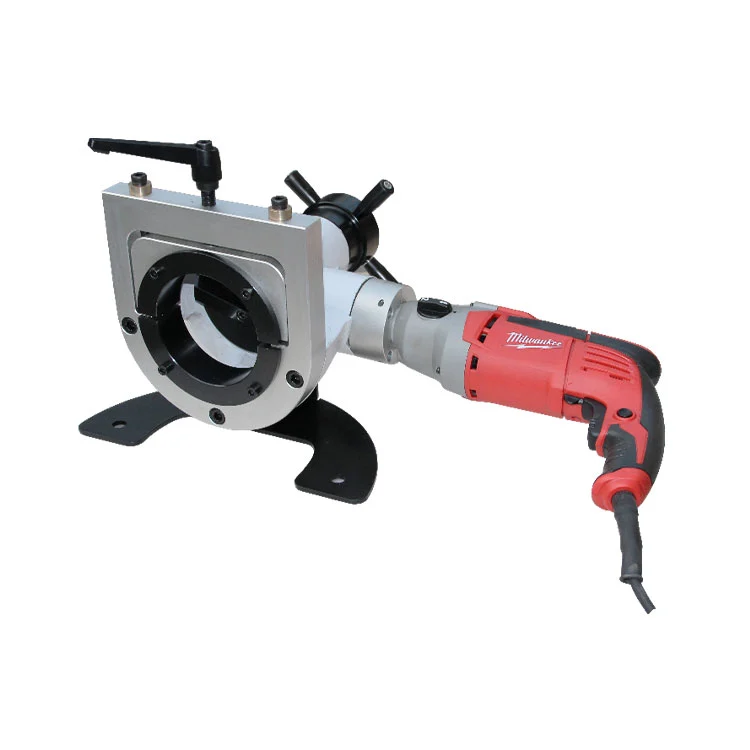
Article Summary: Efficient pipe-end preparation is essential for achieving reliable welding quality and reducing installation time in industrial pipeline projects. An Internal Accounting Type Beveling Machine from Xianjin provides a portable and practical solution for machining large-diameter pipes through an internal expanding clamping mechanism. With support for V, I, and U bevel profiles, multiple power configurations, and a machining range of 300–600 mm, this equipment is designed to meet demanding on-site pipe preparation requirements. This article explores its working principles, technical specifications, industrial applications, and key purchasing considerations.
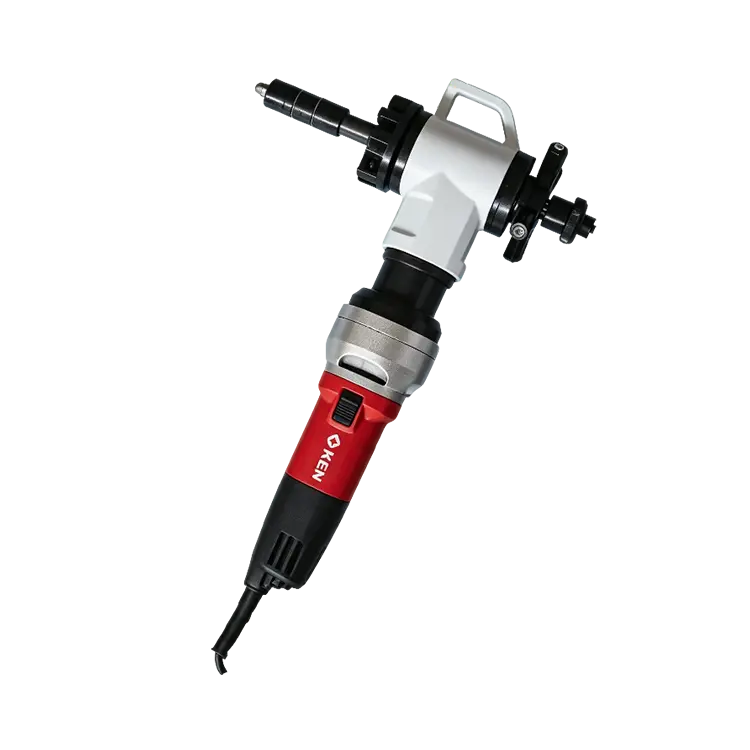
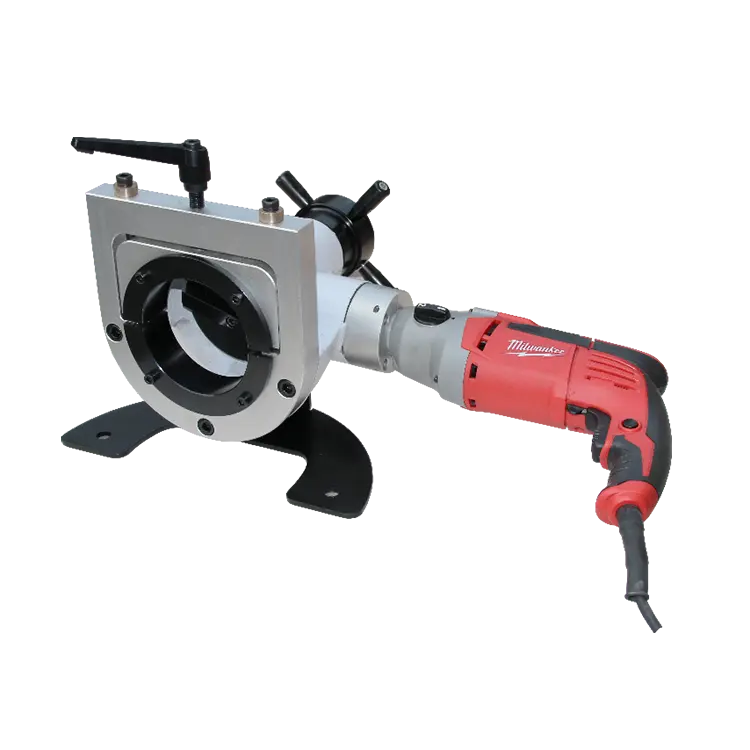
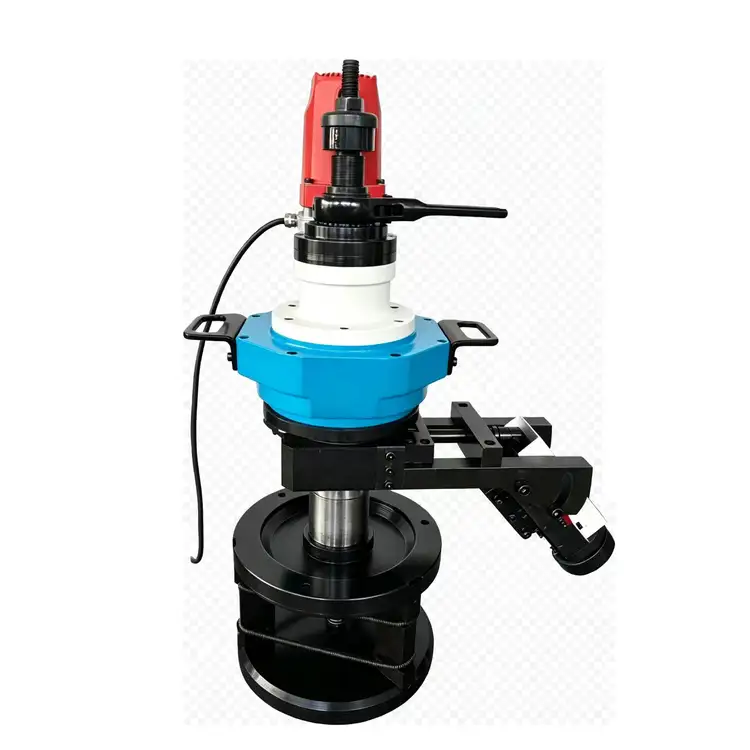
An internal pipe beveling machine is specialized equipment designed to prepare pipe ends for welding by machining precise bevels on the inner-mounted working position. Unlike conventional external clamping machines, this equipment uses an internal expanding mechanism to secure itself against the inside wall of the pipe.
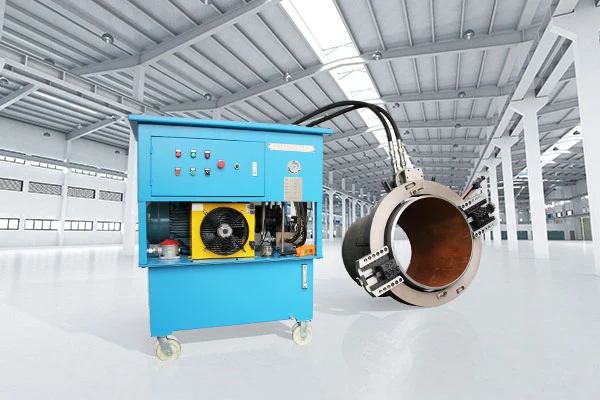
The Internal Accounting Type Beveling Machine supplied by Xianjin Pipeline is a portable solution developed for large-diameter pipe preparation, particularly in environments where conventional stationary processing equipment is inconvenient or impractical.
Its main processing capabilities include:
With an applicable machining range of 300–600 mm and a maximum processing wall thickness of 75 mm, the machine supports various pipeline construction requirements. Its compact structure also makes transportation and positioning easier during field operations.
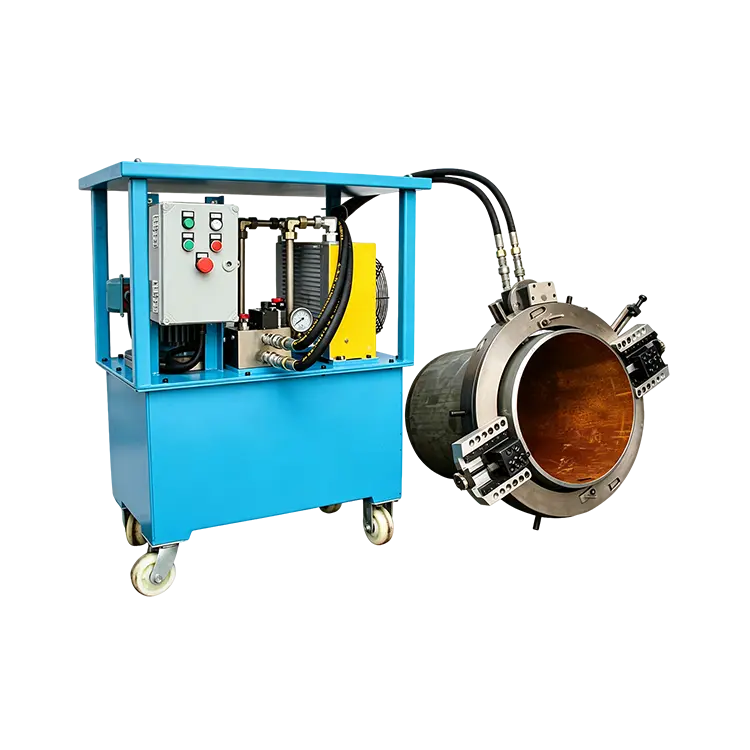
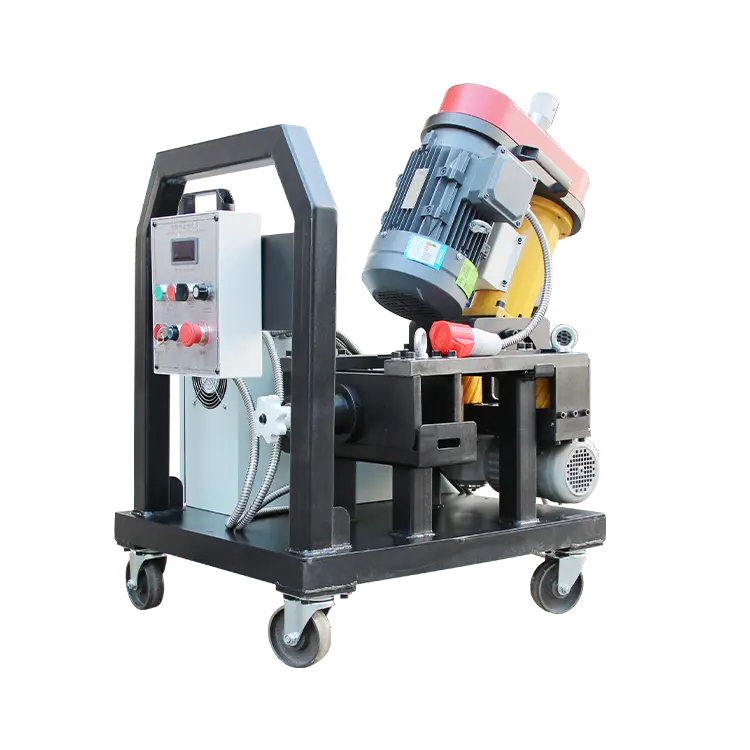
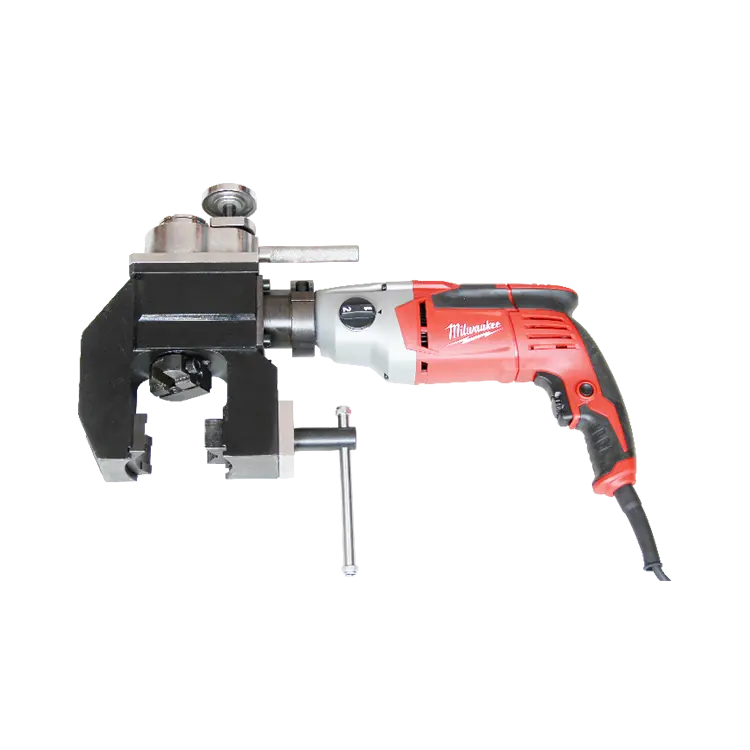
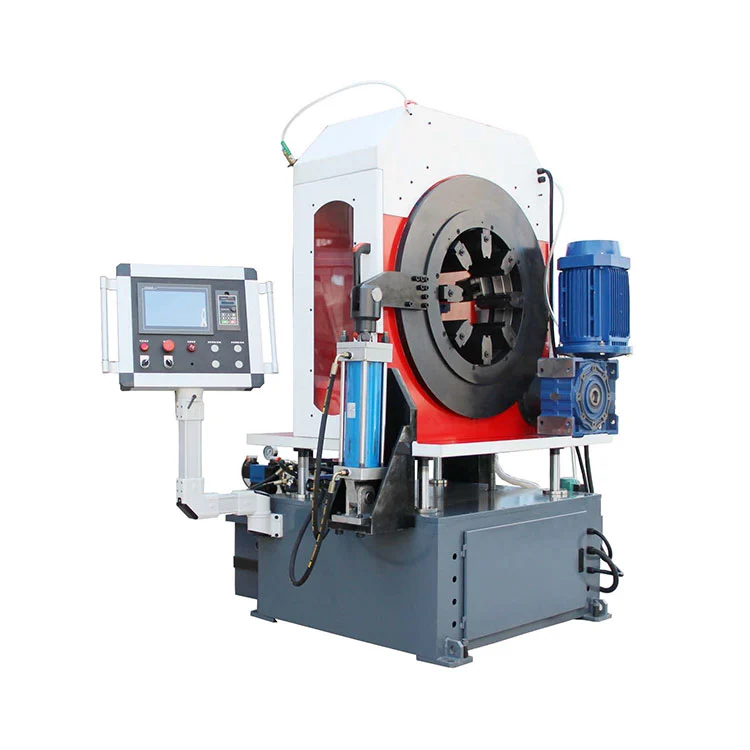
For buyers exploring additional equipment configurations, Xianjin also provides a range of internal pipe beveling machines for different pipe preparation requirements.
The internal expanding clamping system is one of the most important structural characteristics of this equipment. It allows the machine to be positioned inside the pipe and secured through adjustable mechanical expansion.
The operator places the machine inside the pipe opening and adjusts its position according to the internal diameter. Correct positioning is essential for maintaining machining stability and achieving a consistent bevel profile.
The expanding mechanism is adjusted to make firm contact with the pipe's inner wall. The fastening components can be adjusted using a single wrench, simplifying installation and reducing preparation time.
After the machine is securely installed, the cutter head rotates to remove material from the pipe end. During operation, the pipe remains stationary while the cutting mechanism performs the machining process.
The cutter advances along the axial direction to produce the required bevel geometry. Operators can select suitable processing parameters according to the pipe material, wall thickness, and welding requirements.
After machining, the operator checks the bevel angle, surface condition, and dimensional accuracy before proceeding with welding preparation.
This internal mounting arrangement helps improve positioning stability while reducing the need to move large and heavy pipeline sections.
Choosing suitable pipe preparation equipment requires evaluating portability, machining performance, operating flexibility, and compatibility with different materials. The Xianjin internal expanding beveling solution offers several practical advantages.
With a machine weight of approximately 110 kg and a compact packing dimension of 850 × 650 × 320 mm, the equipment is designed to support transportation and installation in different working environments.
Its portable configuration is especially useful for pipeline construction sites, equipment maintenance facilities, and emergency repair operations.
The internal expanding mechanism provides a secure mounting arrangement inside the pipe. Compared with positioning equipment externally, this configuration is particularly useful when the pipe geometry or surrounding installation environment makes external clamping inconvenient.
The rotating cutter processes the pipe end while the pipe remains stationary. This arrangement helps produce a clean, burr-free, and deformation-free bevel surface under suitable operating conditions.
Good edge preparation helps improve joint consistency and supports subsequent welding operations.
Different project locations have different power supply conditions. The equipment can be configured with motors suitable for different regional voltages or an engine-driven power arrangement.
This flexibility is particularly valuable for remote construction sites where conventional electrical infrastructure may be unavailable.
The machine can be configured for processing several pipe materials, including:
Actual cutting tools and machining parameters should be selected according to material characteristics and the required finished profile.
Understanding the technical parameters is essential when evaluating whether a particular machine can meet a project's pipe preparation requirements. The following table summarizes the published specifications of the Xianjin internal expanding pipe beveling equipment.
| Technical Item | Specification |
|---|---|
| Applicable Bevel Types | V / I / U |
| Machining Range | 300–600 mm |
| Maximum Processing Wall Thickness | ≤75 mm |
| Motor Power | 1.8 kW |
| Machine Weight | 110 kg |
| Packing Dimensions | 850 × 650 × 320 mm |
| Gross Packing Weight | 140 kg |
| Cutter Head Speed | 10 rpm |
| Axial Feed Depth | 50 mm |
| Feed Rate | 0.07–0.1 mm |
| Bevel Angle | 0–45° |
Note: The specifications above reflect the published product information. Buyers should confirm the applicable configuration, material compatibility, power requirements, and processing conditions with the manufacturer before ordering.
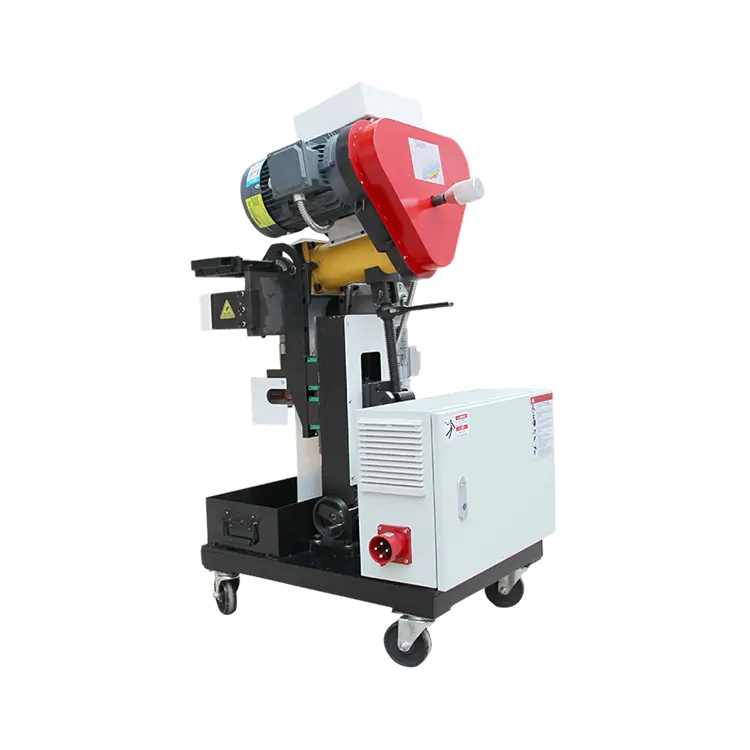
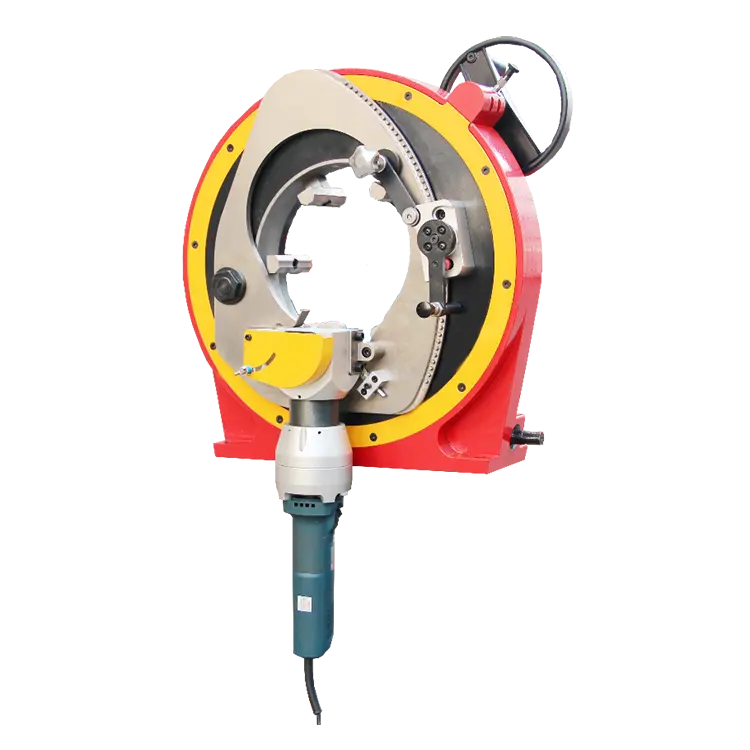
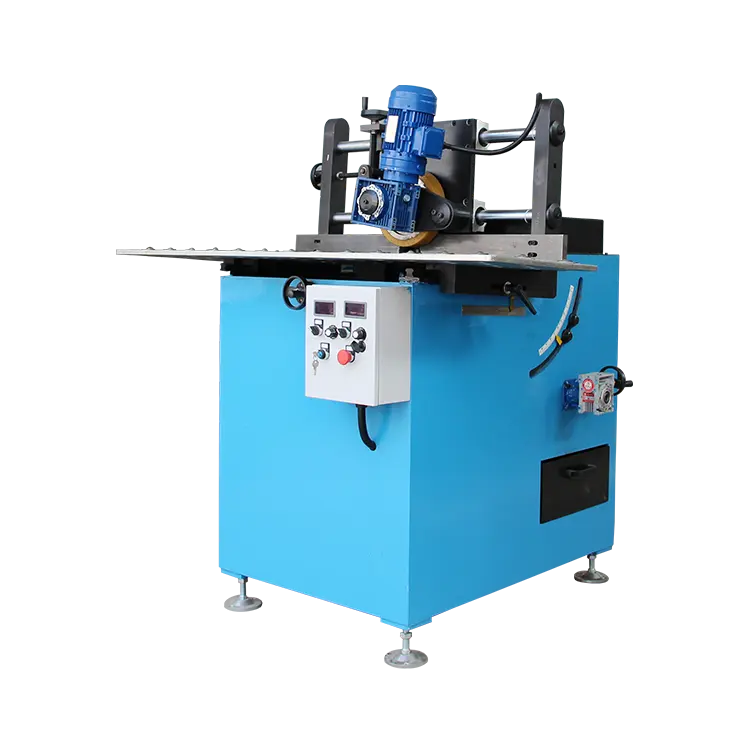
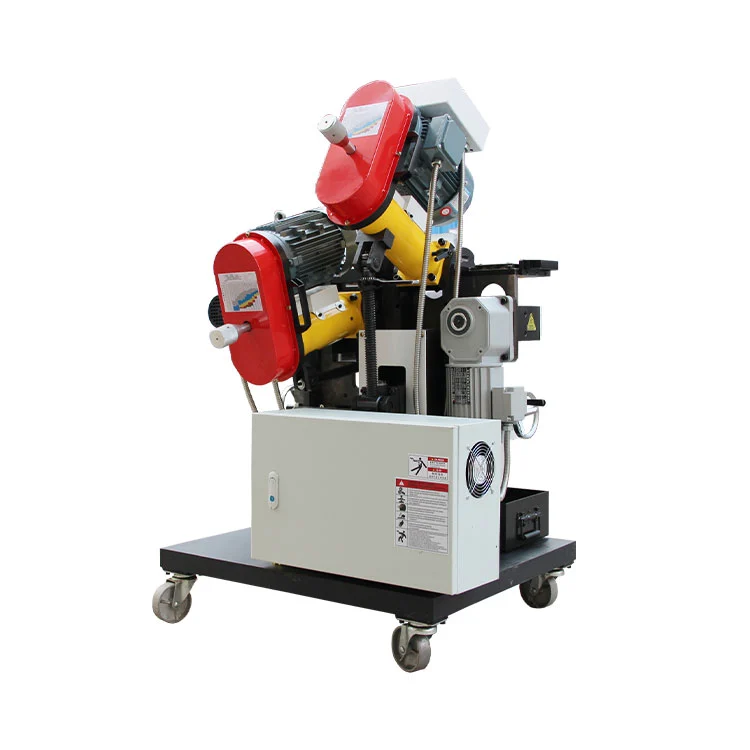
For engineering projects involving different pipe diameters or machining methods, buyers can also explore Xianjin's industrial pipe cutting and beveling equipment portfolio.
Large-diameter pipelines are widely used in industries that require reliable fluid transportation, structural connections, and specialized industrial installations. An internal expanding beveling machine provides a practical solution for preparing pipe ends directly at construction or maintenance sites.
Oil and gas pipeline projects involve extensive welding operations and demanding joint preparation requirements. Accurate beveling helps create suitable welding grooves and supports consistent fabrication quality.
During pipeline installation, pipes may need to be processed after transportation or positioning. Portable internal mounting equipment allows operators to perform pipe-end machining without relying entirely on large stationary workshop machines.
Unexpected pipeline damage may require rapid replacement or reconnection. A portable machine with flexible power options can help maintenance teams prepare pipe ends at locations where access to fixed processing equipment is limited.
Chemical plants, power facilities, and other industrial infrastructure projects often involve different pipe materials and welding specifications. The availability of V, I, and U bevel profiles provides flexibility for different joint preparation requirements.
Construction projects involving large-diameter pipelines benefit from equipment that can be transported and installed efficiently. Internal clamping helps simplify positioning when external mounting space is restricted.
Different pipe beveling machines are designed for different operating conditions. Understanding their structural differences helps purchasing managers select suitable equipment rather than focusing only on price or motor power.
| Comparison Factor | Internal Expanding Beveling Machine | External Clamping Beveling Machine | Stationary Processing Equipment |
|---|---|---|---|
| Mounting Position | Inside the pipe | Outside the pipe | Fixed processing station |
| Portability | Suitable for field operations | Depends on machine configuration | Generally limited |
| Clamping Method | Internal expansion | External clamping | Dedicated fixtures |
| Typical Application | Large-diameter pipe preparation | External pipe-end processing | Workshop production |
| Installation Requirements | Requires suitable internal access | Requires external clamping space | Requires a dedicated workspace |
| Operational Flexibility | High for suitable field conditions | Depends on pipe geometry | Depends on production layout |
There is no universally superior beveling method. The appropriate solution depends on pipe dimensions, working space, installation conditions, production volume, and required bevel geometry.
Before purchasing an internal pipe beveling machine, engineering contractors and equipment distributors should evaluate several important factors.
A reliable supplier should provide more than equipment specifications. Technical guidance, configuration recommendations, and long-term service support are equally important for reducing project risks.
Proper maintenance helps preserve machining accuracy, reduce unexpected downtime, and extend equipment service life. Operators should establish a routine inspection schedule based on operating frequency and site conditions.
Operators should also follow the manufacturer's operating instructions and use appropriate personal protective equipment throughout the machining process.
A: The Xianjin model has a published machining range of 300–600 mm. Buyers should confirm the actual internal diameter and clamping requirements before selecting a configuration.
A: The published maximum processing wall thickness is 75 mm. Actual machining suitability depends on pipe material, cutting tools, and operating conditions.
A: The machine supports V, I, and U bevel profiles. Its published bevel angle range is 0–45°, allowing different welding preparation requirements to be addressed.
A: Yes. In addition to motor configurations with different voltage options, an engine-driven configuration is available for projects where conventional electrical power is unavailable. The specific power arrangement should be confirmed when ordering.
A: It can be configured for materials such as carbon steel, stainless steel, alloy steel, aluminum, copper, plastic, and titanium. Appropriate cutting tools and machining parameters should be selected for each material.
A: The internal expanding mechanism secures the machine against the inside wall of the pipe. Its fastening components can be adjusted using a single wrench, making installation and positioning more convenient for field operators.
A: Xianjin provides a 12-month warranty from the date of acceptance, technical consultation, repair support, and spare parts services under its published warranty terms. The company also provides telephone and written response services, with on-site engineering support arranged according to service conditions and location.
Selecting the right pipe beveling equipment is an important decision for industrial pipeline contractors, fabrication workshops, and maintenance teams. An internal expanding design offers practical advantages when processing large-diameter pipes, particularly in field environments where portability, secure positioning, and flexible power configurations are essential.
The Xianjin Internal Accounting Type Beveling Machine combines a 300–600 mm machining range, support for V/I/U bevel profiles, a maximum processing wall thickness of 75 mm, and a portable 110 kg machine structure. These characteristics make it a suitable option for evaluating pipe-end preparation requirements across petroleum, petrochemical, energy, and industrial construction applications.
For companies seeking dependable pipeline machining equipment, working with an experienced manufacturer can help ensure that machine configuration, technical performance, and after-sales support match actual project requirements. Contact us at Xianjin Pipeline today to discuss your pipe dimensions, beveling requirements, customized equipment options, and project-specific solutions. Our professional team is ready to help you identify the right pipe beveling machine for more efficient and reliable pipeline construction.