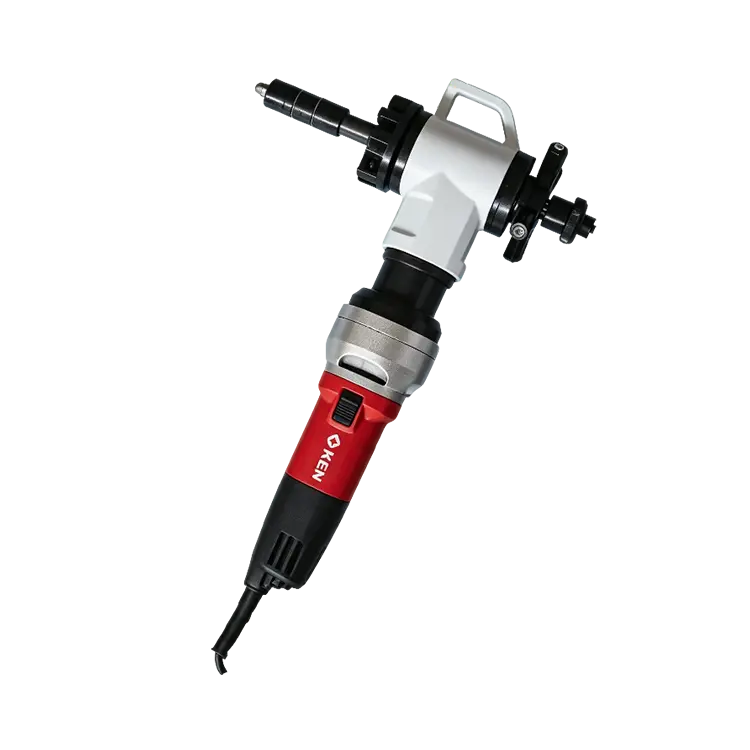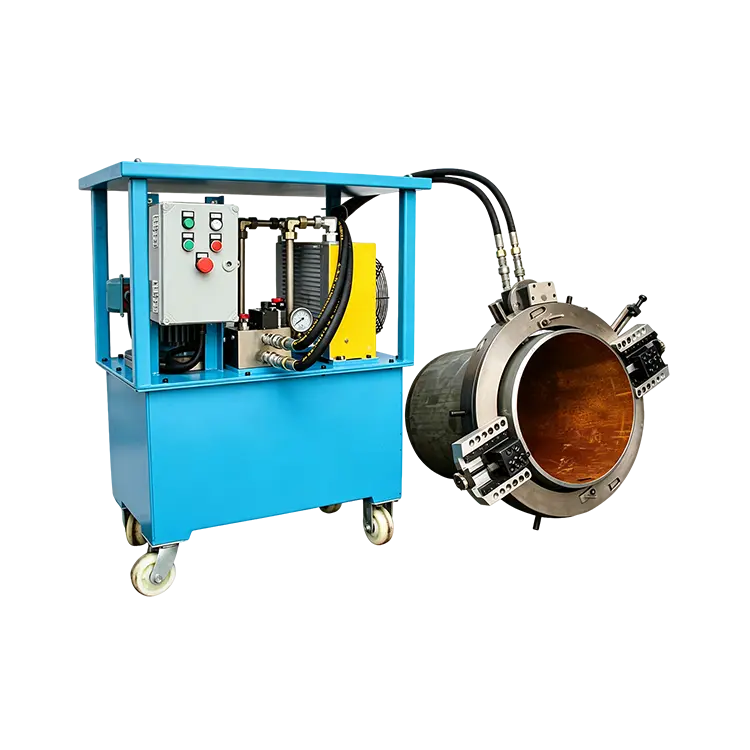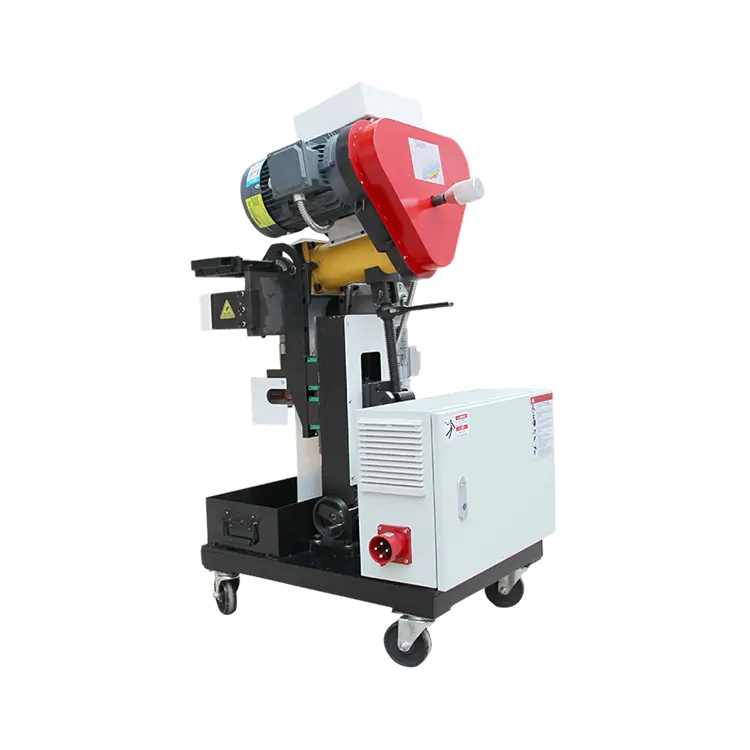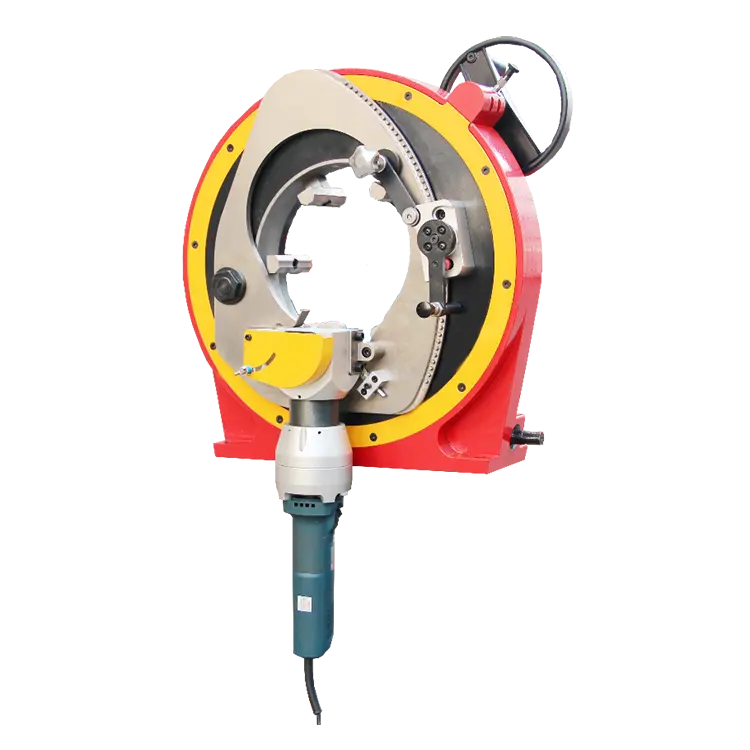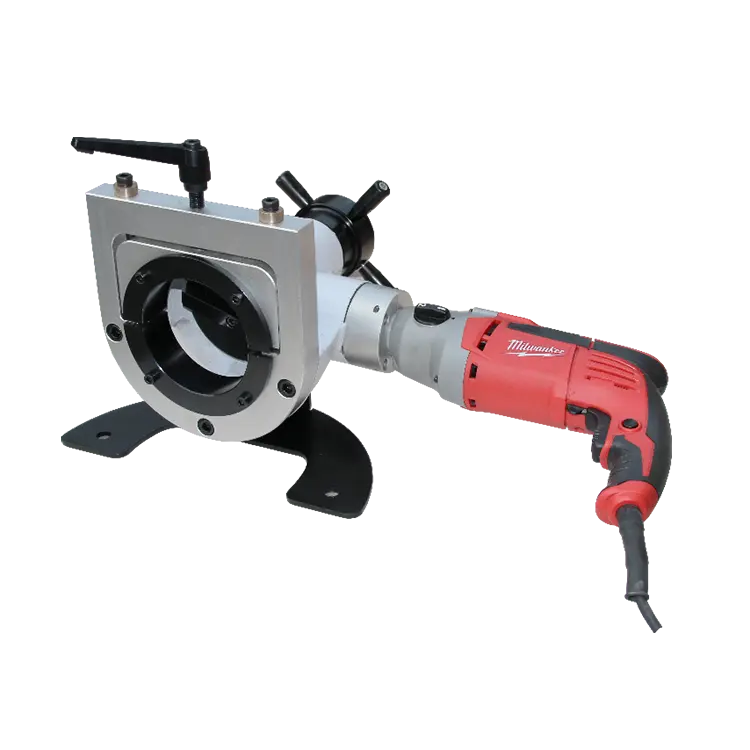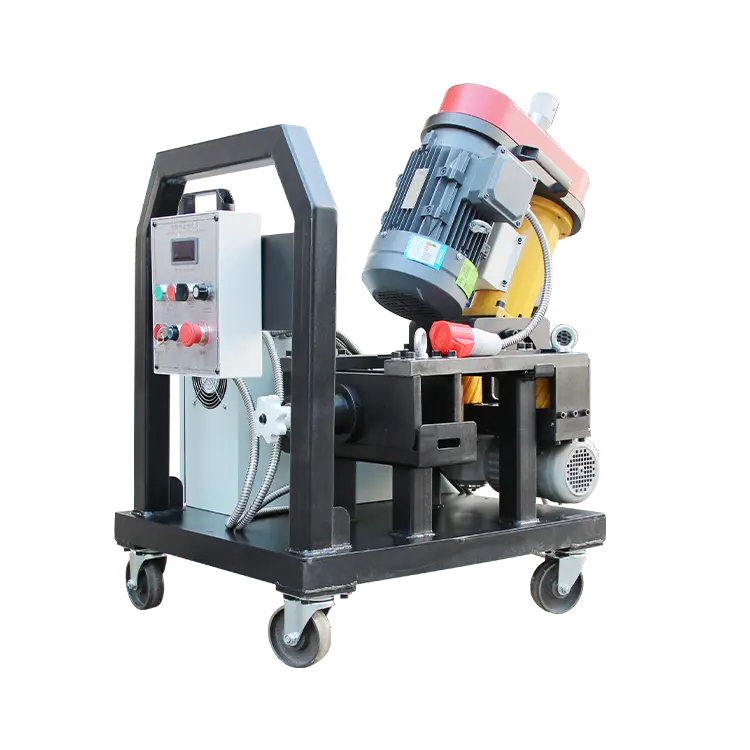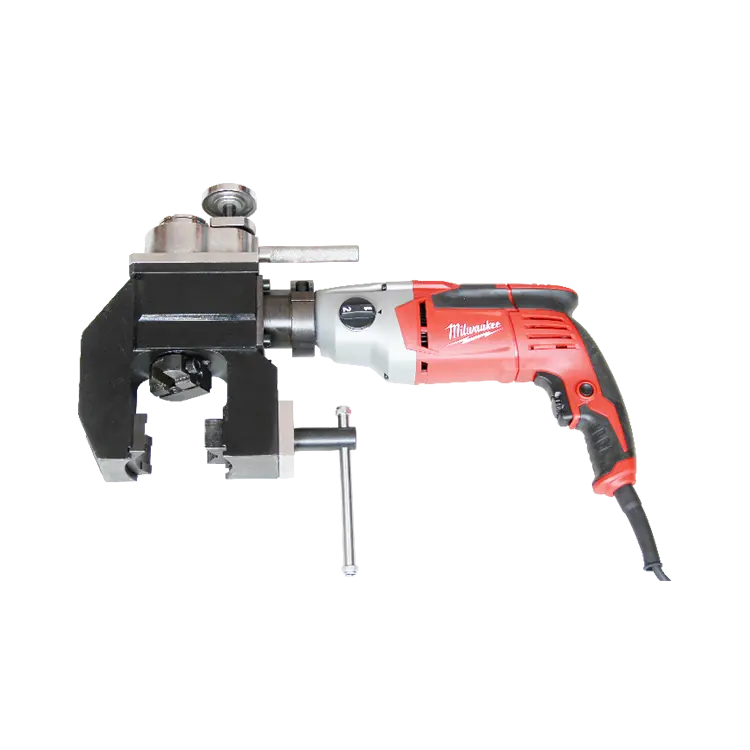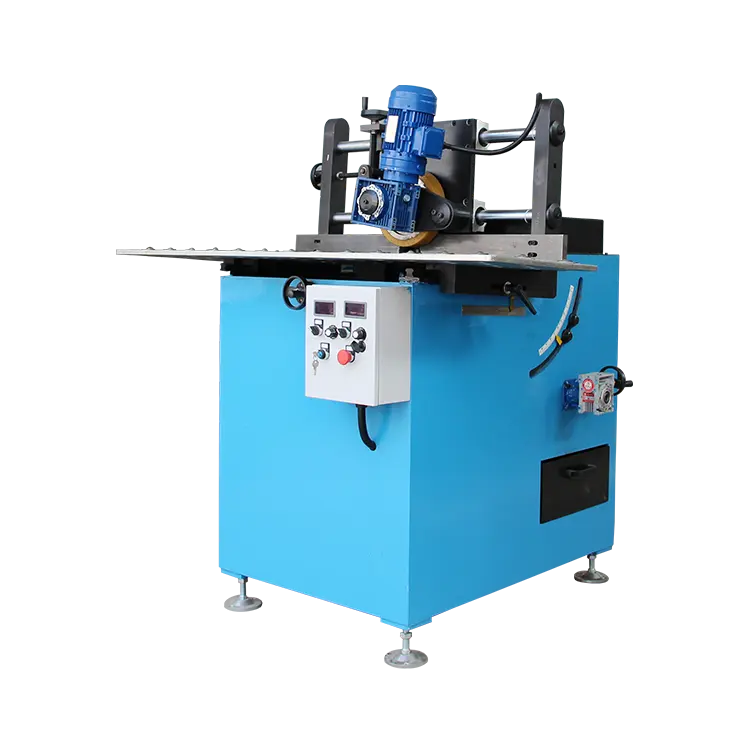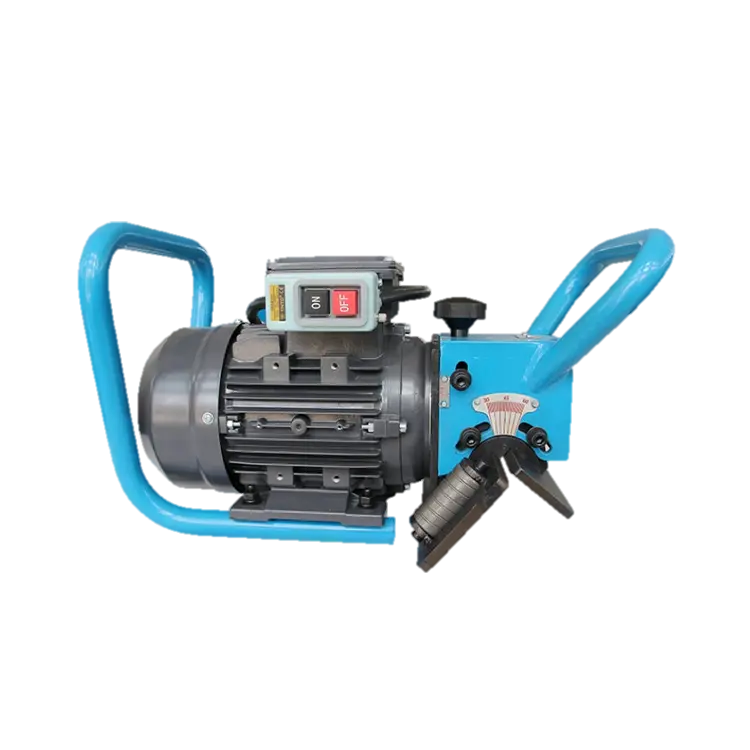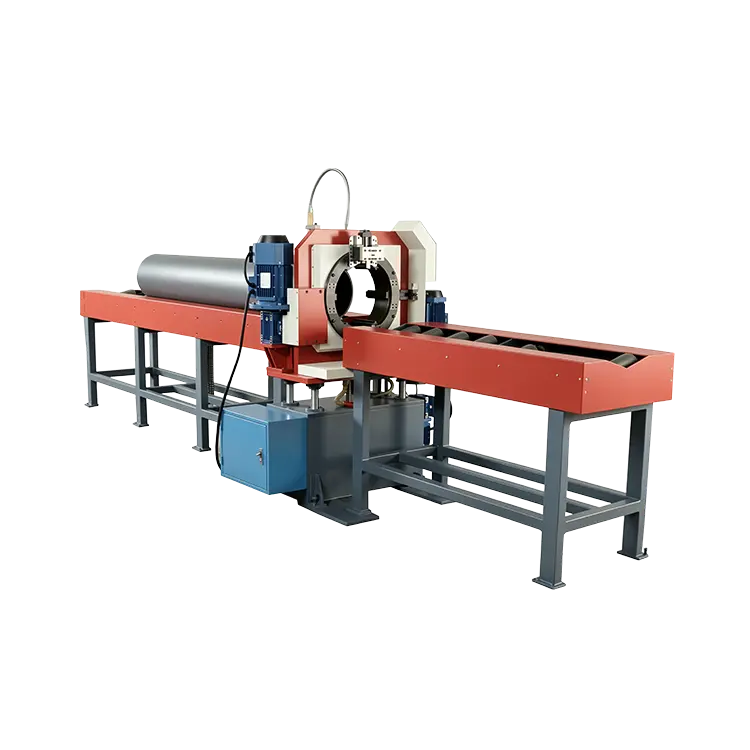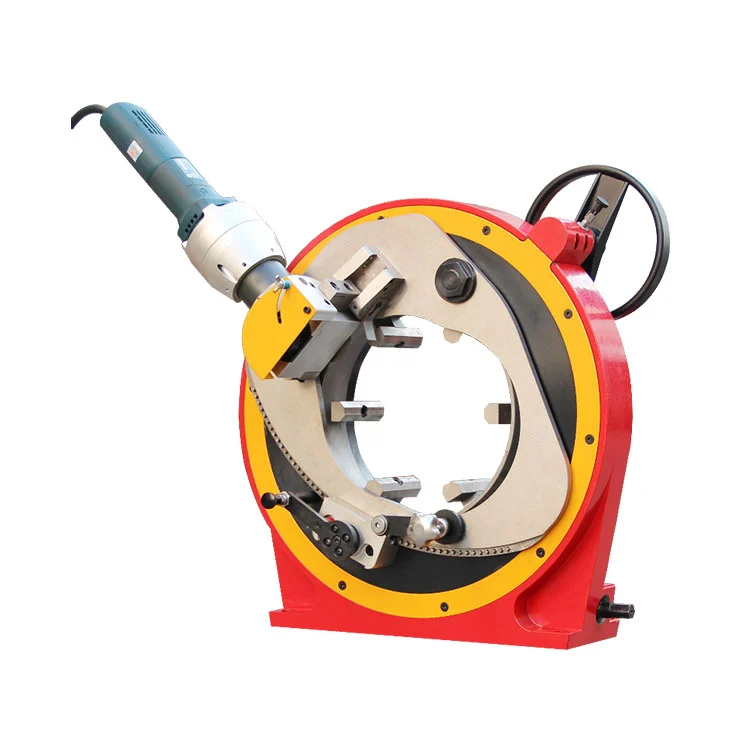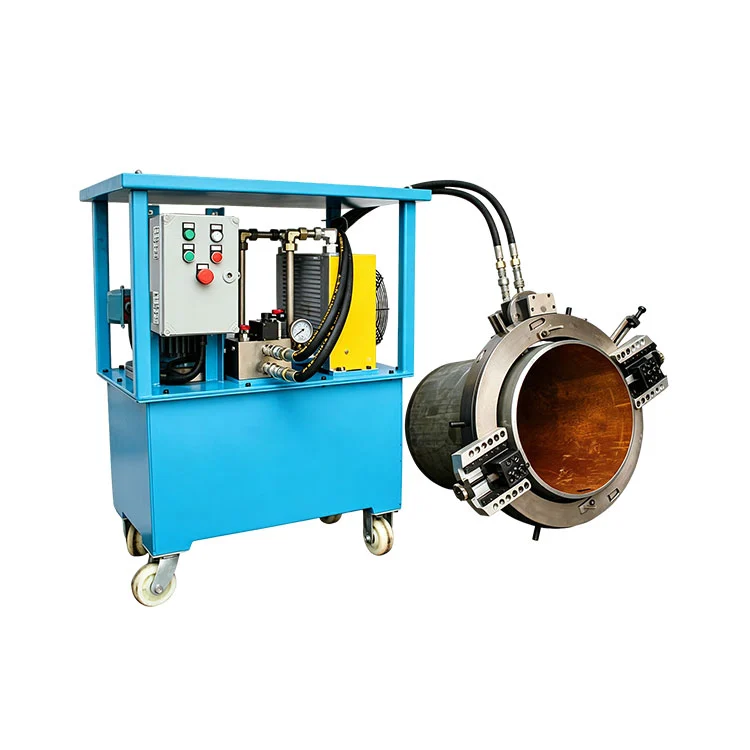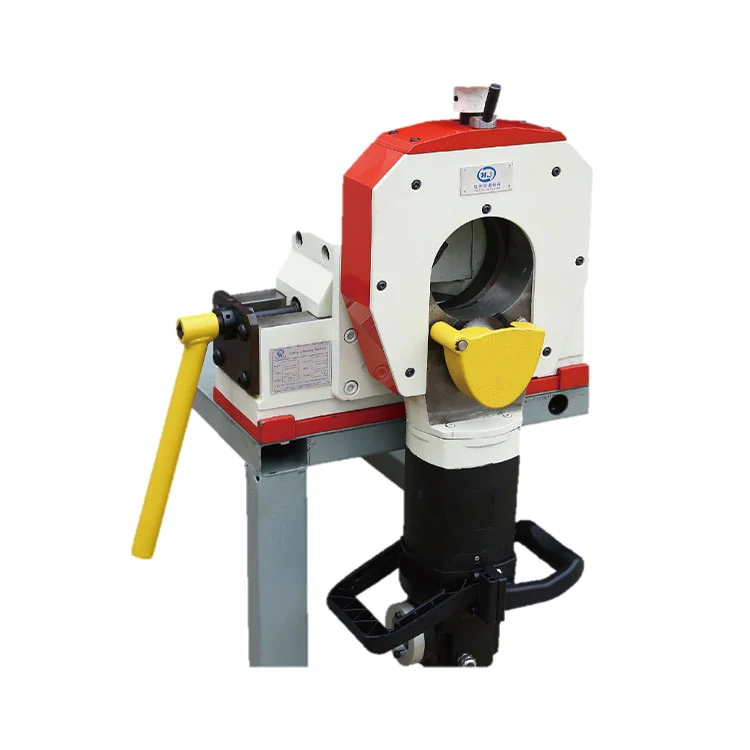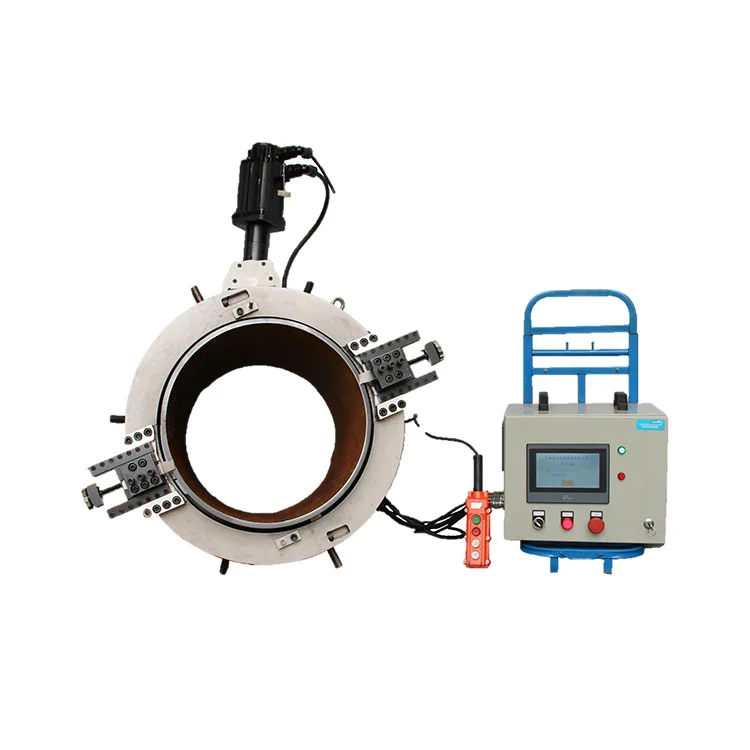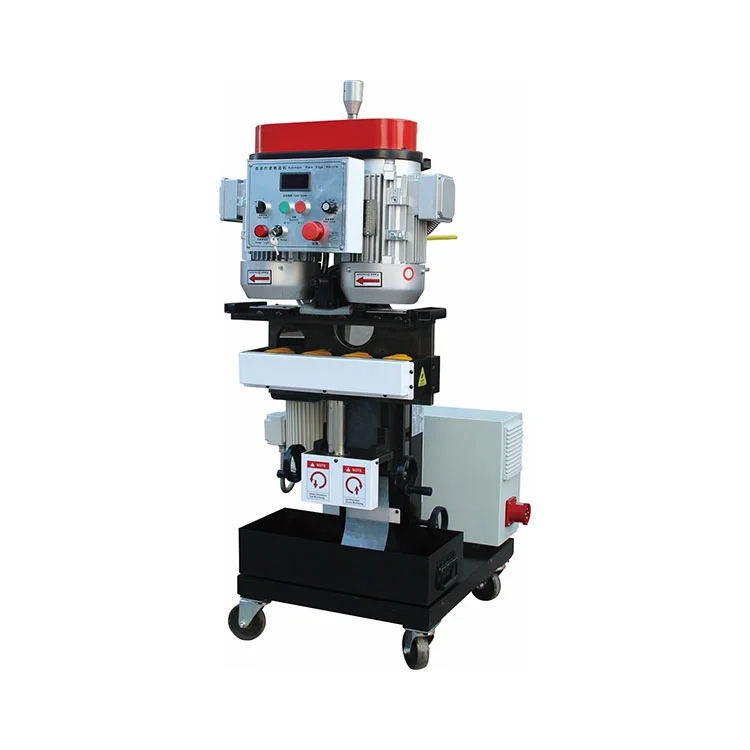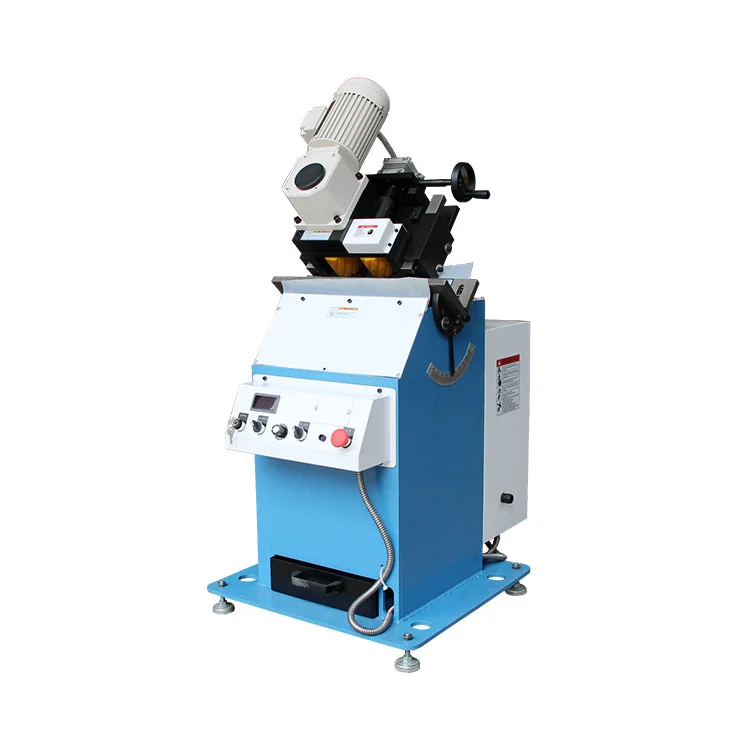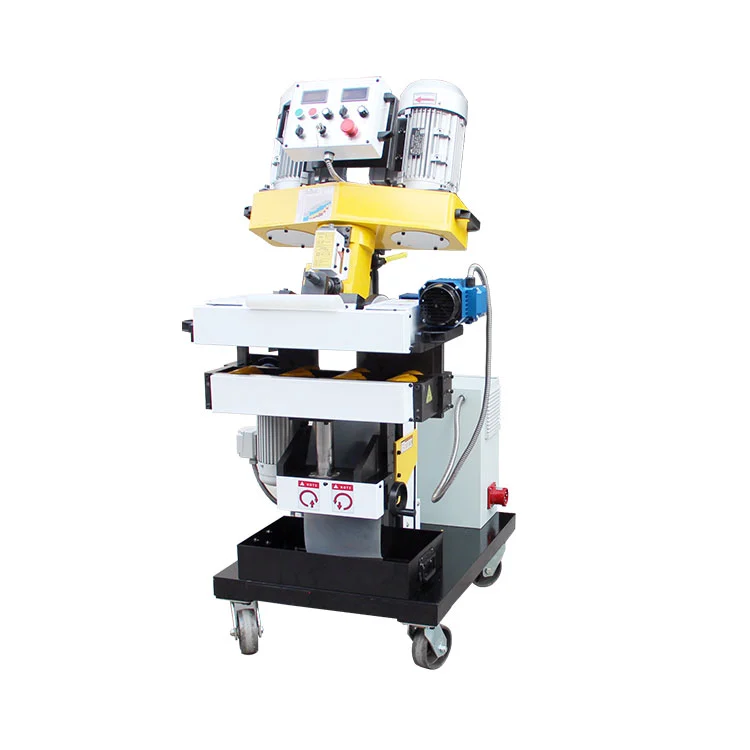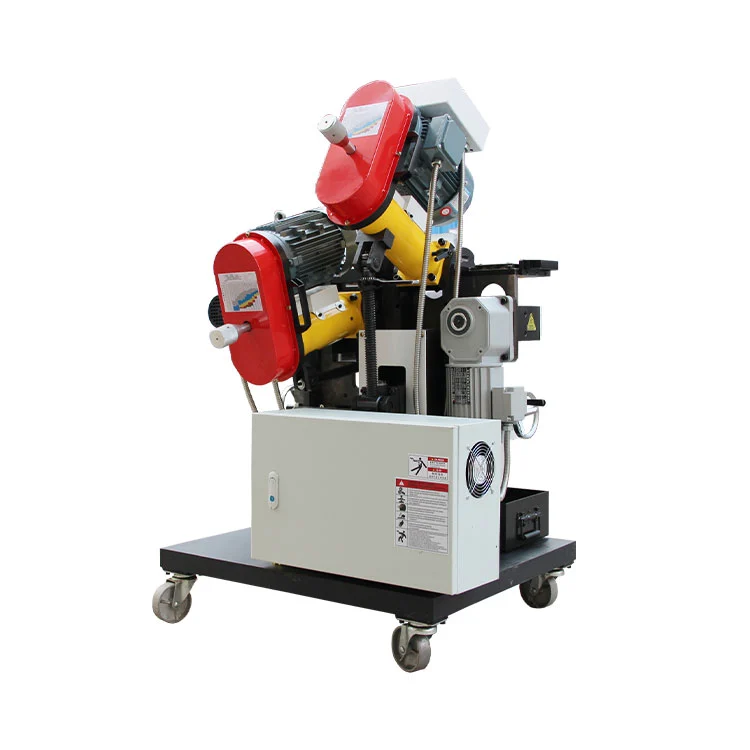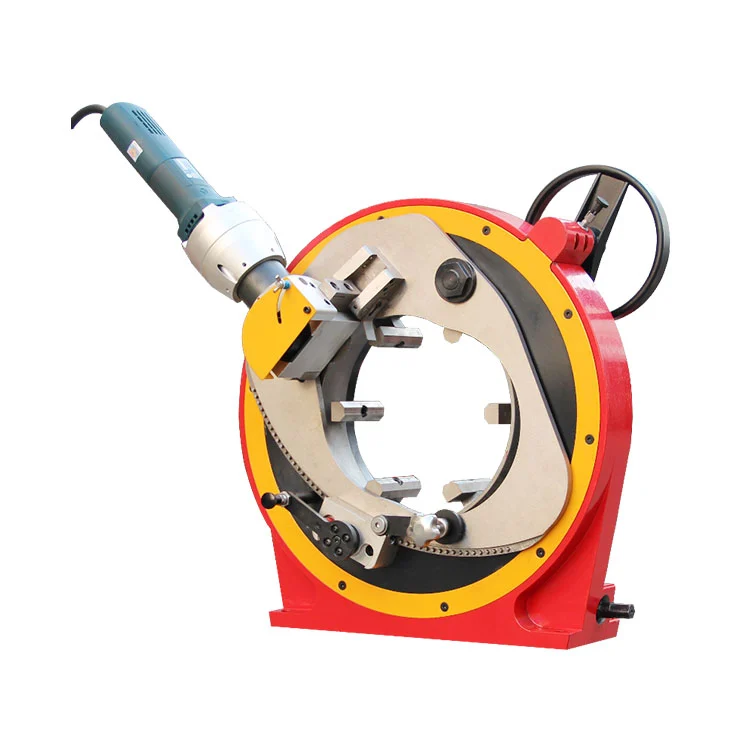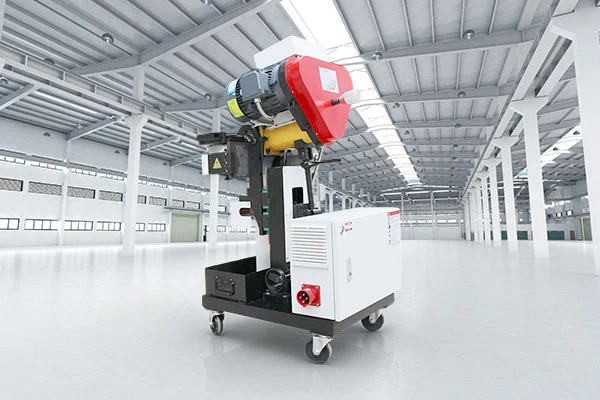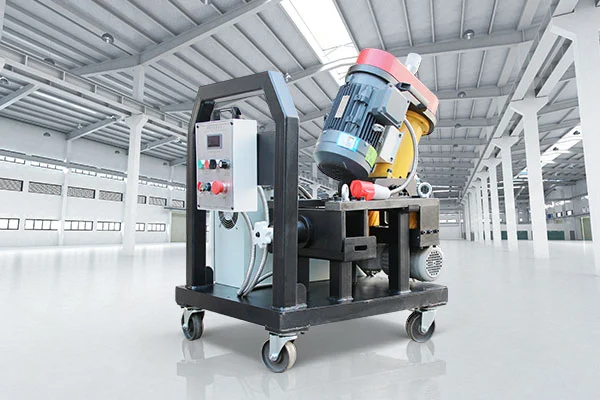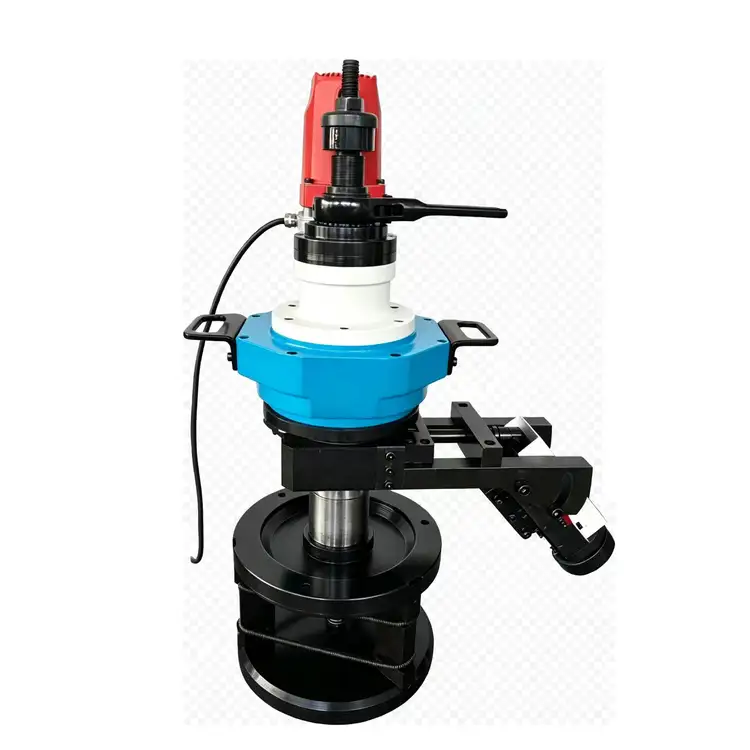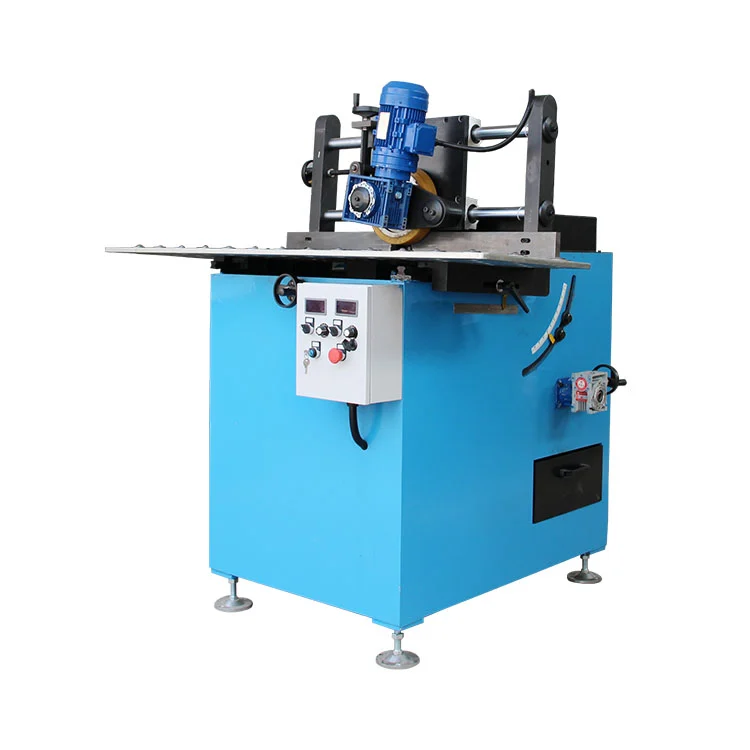
In modern industrial pipe fabrication, achieving accurate cuts, smooth edges, and consistent welding preparation is essential for production efficiency. Xianjin, a professional manufacturer of pipe cutting and beveling equipment, provides the Lightweight Planetary Pipe Cutting Machine to help manufacturers process metal pipes with precision, reliability, and operational flexibility. Featuring a powerful motor, multi-point clamping structure, and maintenance-free oil-free bearings, this machine is designed to deliver clean, perpendicular cuts while minimizing pipe deformation and simplifying daily production operations.
Article Summary: This article explores how a lightweight planetary pipe cutting machine improves pipe processing accuracy, compares its technical specifications, explains its main advantages, and identifies the key factors buyers should consider when selecting industrial pipe cutting equipment. It also examines its applications in stainless steel fabrication, petrochemical engineering, shipbuilding, food processing, and other industries.
A lightweight planetary pipe cutting machine is specialized equipment designed to cut metal pipes through a rotating planetary cutting mechanism. Unlike conventional cutting methods that may produce excessive burrs, uneven edges, or pipe deformation, planetary cutting technology uses a controlled cutting movement around the pipe to achieve a clean and highly perpendicular cutting surface.
The lightweight design makes this type of equipment particularly suitable for professional pipe fabrication workshops and industrial production environments where flexibility, precision, and efficient material handling are important.
Xianjin's planetary pipe cutting machine features a 1050W motor and a multi-point clamping system. Its main rotating assembly uses maintenance-free oil-free bearings, reducing routine lubrication requirements and supporting long-term mechanical stability.
The equipment is designed for pipe wall thicknesses from 1 mm to 8 mm, depending on the applicable model and cutting conditions. It can process various materials, including:
For manufacturers requiring consistent pipe preparation before welding, this equipment offers an effective combination of cutting accuracy, convenient operation, and flexible application.
The operating principle of a planetary pipe cutting machine is based on controlled blade rotation around a fixed pipe. Instead of relying on a conventional external cutting movement, the machine uses a planetary mechanism to guide the cutting blade along an optimized path.
This cutting method helps maintain a stable relationship between the blade and the pipe surface, supporting accurate cutting and reducing unnecessary mechanical stress on the workpiece.
Position the pipe inside the machine's clamping assembly. The multi-point clamping structure holds the workpiece securely and distributes clamping pressure to help prevent deformation, particularly when processing thin-walled stainless steel pipes.
Select the appropriate blade and adjust the machine according to the pipe diameter, wall thickness, and material. The variable-speed motor allows operators to match the cutting speed to different processing requirements.
Start the machine and rotate the cutting mechanism around the pipe. The blade performs an inside-out cutting movement at an optimized cutting point, helping produce a perpendicular and clean cut surface.
After cutting, remove the pipe and inspect the end face for perpendicularity, burrs, and dimensional consistency. If welding preparation requires additional processing, a compatible pipe beveling tool can be used to create the specified groove geometry.
The machine can also be mounted on a workbench for convenient workshop operation. Its cutting and beveling functions provide practical flexibility for different pipe preparation tasks.
Choosing a professional planetary pipe cutter is not simply about achieving a cut. Manufacturers must also consider workpiece protection, maintenance requirements, blade replacement, operational flexibility, and the quality of subsequent welding processes.
The main rotating assembly adopts maintenance-free oil-free bearings. This design reduces the need for routine bearing lubrication and helps maintain stable rotation during repeated processing operations. It is particularly useful for production environments where equipment reliability and reduced maintenance interruptions are important.
Different pipe materials and wall thicknesses require stable clamping. Xianjin's equipment uses multi-jaw clamping to distribute holding pressure and reduce the possibility of pipe deformation during cutting.
Blade replacement is an important factor affecting workshop productivity. The machine supports convenient blade changes, allowing operators to replace cutting tools when switching materials or performing routine maintenance.
The blade is positioned close to the cutting point, making the machine suitable for processing relatively short pipe sections. This feature offers greater flexibility in fabrication work involving customized pipe lengths.
The dual-head blade mounting design supports cutting operations involving elbows, expanding the equipment's usefulness in specialized pipe fabrication applications.
The imported variable-speed motor allows operators to adjust cutting speed according to pipe wall thickness and material characteristics. Air cooling and temperature protection also help support motor service life.
The roller feed structure helps reduce the likelihood of iron chip jamming during processing, contributing to smoother operation and more convenient material handling.
Key advantages at a glance:
Model selection is one of the most important steps when purchasing a lightweight planetary pipe cutting machine. Pipe diameter, wall thickness, machine weight, jaw configuration, and power requirements all influence the suitability of a particular model.
Xianjin offers three model configurations: X-120T, X-170T, and X-220T. Each model is designed for a different pipe diameter range.
| Technical Parameter | X-120T | X-170T | X-220T |
|---|---|---|---|
| Machining Range | 13–120 mm | 20–170 mm | 60–220 mm |
| Wall Thickness | 1–8 mm | 1–8 mm | 1–8 mm |
| Motor Power | 1050W | 1050W | 1050W |
| Machine Weight | 47 kg | 66 kg | 77 kg |
| Voltage | 220V | 220V | 220V |
| Number of Jaws | 4 | 6 | 8 |
| Bevel Angle | Not specified | 30° | 30° |
| Frequency | Not specified | Not specified | 50Hz |
| Blade Speed | Not specified | Not specified | 150–250 RPM |
Note: The above specifications are based on the published Xianjin product information. Parameters not listed for a particular model should be confirmed with the manufacturer before ordering. Blade selection and processing suitability should also be verified against the actual workpiece material and cutting requirements.
Before purchasing, manufacturers should evaluate their most frequently processed pipe diameters rather than selecting equipment based only on the maximum machining range.
Pipe cutting quality directly influences downstream fabrication processes. An uneven pipe end or excessive burr formation can increase preparation time, complicate alignment, and affect welding consistency.
A professional lightweight planetary pipe cutting machine helps address these challenges through its controlled cutting mechanism and stable clamping structure.
The planetary cutting method is designed to produce highly perpendicular pipe end faces. This is particularly important when pipes must be aligned accurately before automatic or mechanized welding.
Appropriate blade selection, stable workpiece positioning, and controlled cutting movement help achieve clean cutting surfaces with reduced burrs. Actual results depend on the material, blade condition, machine adjustment, and operating procedure.
Thin-walled stainless steel pipes can be sensitive to excessive clamping pressure. The multi-point clamping structure helps distribute pressure around the workpiece, reducing the risk of unwanted deformation.
Consistent pipe end geometry makes subsequent welding operations easier to manage. When combined with suitable beveling tools, planetary cutting equipment can become an important part of an integrated pipe preparation workflow.
For additional information about pipe preparation processes, manufacturers can explore Xianjin's Pipe End Beveling Machine and CNC Pipe Cutting and Beveling Machine.
The versatility of a lightweight planetary pipe cutting machine makes it suitable for multiple industries that require accurate metal pipe preparation. Its ability to process different standard metallic materials provides flexibility for manufacturers handling diverse fabrication projects.
Petrochemical facilities use extensive piping networks to transport fluids, gases, and industrial chemicals. Accurate pipe cutting helps prepare components for assembly, installation, and welding.
Power plants and related engineering projects require reliable pipe fabrication for utility systems and industrial installations. Consistent cutting quality supports efficient pipe fitting and welding preparation.
Shipbuilding projects involve complex piping arrangements with different pipe diameters and materials. Compact pipe cutting equipment provides flexibility for workshop fabrication and selected on-site preparation tasks.
Brewery, beverage, and dairy production facilities commonly use stainless steel piping systems. Clean pipe end preparation is important for accurate assembly and subsequent sanitary welding processes.
Pharmaceutical production and water treatment systems often require carefully fabricated pipe networks. Reliable cutting and suitable beveling operations help manufacturers achieve consistent joint preparation.
According to Xianjin's product information, the equipment is applicable to a range of materials, including:
Material compatibility should always be confirmed according to the specific blade, pipe dimensions, and actual processing conditions before production.
For industrial buyers, selecting pipe cutting equipment involves more than comparing prices or machine dimensions. A suitable machine should match actual production requirements and provide reliable performance throughout its service life.
Consider the following purchasing factors:
Identify the minimum and maximum pipe diameters used in your production process. Choose a model that covers the required working range without unnecessary capacity limitations.
Check whether the machine supports your required wall thickness. Xianjin's three listed models support machining wall thicknesses of 1–8 mm.
Different materials require suitable blade materials and cutting parameters. Xianjin provides dedicated HSS series blades manufactured using premium tool steel and cobalt-alloy steel through special processing.
The published blade options include:
The appropriate blade should be selected according to the pipe material and actual application requirements.
Clamping configuration affects workpiece positioning and cutting stability. Compare the four-jaw, six-jaw, and eight-jaw configurations according to the pipe dimensions and required processing conditions.
Consider motor power, adjustable speed, cooling arrangements, and electrical compatibility. The Xianjin models feature a 1050W motor and 220V voltage configuration.
Evaluate bearing construction, blade replacement convenience, and spare-part availability. A machine with simplified maintenance requirements can help reduce operational interruptions over time.
Reliable technical support is important when purchasing industrial machinery. Before placing an order, discuss machine configuration, blade options, operating requirements, delivery arrangements, and after-sales service with the manufacturer.
Although a lightweight planetary pipe cutting machine is designed for industrial use, regular inspection and proper operating practices remain essential for maintaining cutting performance.
The following maintenance recommendations can help improve equipment reliability:
Following the manufacturer's maintenance recommendations and establishing a consistent inspection routine can help maintain stable processing performance and extend equipment service life.
A: Xianjin offers three models with different machining ranges. The X-120T handles pipe diameters from 13 mm to 120 mm, the X-170T covers 20 mm to 170 mm, and the X-220T covers 60 mm to 220 mm. Buyers should select the model according to their actual pipe dimensions.
A: The published machining wall thickness range for the X-120T, X-170T, and X-220T models is 1–8 mm. Actual cutting suitability depends on the pipe material, blade configuration, and operating conditions.
A: Yes. The machine is designed for processing stainless steel pipes, including thin-walled stainless steel applications. It can also process carbon steel, alloy steel, cast iron, copper, aluminum, and other suitable materials with the appropriate cutting blade and settings.
A: The planetary cutting mechanism is designed to produce clean, highly perpendicular cutting surfaces with reduced burr formation. Actual results depend on blade condition, material properties, pipe wall thickness, and operating parameters. Proper adjustment and blade maintenance are important for consistent results.
A: The machine is designed to produce highly perpendicular cut end faces that meet automatic welding preparation requirements. However, final welding suitability should be evaluated according to the applicable joint design, dimensional tolerances, and welding procedure.
A: All three published models feature a 1050W motor and 220V voltage configuration. The machine also features variable motor speed, air cooling, and temperature protection to support stable operation.
A: The main rotating assembly uses maintenance-free oil-free bearings. This reduces routine lubrication requirements and supports stable mechanical operation, helping simplify equipment maintenance.
A: Yes. The blade is positioned close to the cutting point, allowing the machine to process relatively short pipe sections. Its dual-head blade mounting design also supports elbow cutting applications.
A: Xianjin's dedicated HSS series blades are compatible with German +GF+ and French AxxAIR pipe cutters, according to the product specifications. Buyers should confirm the exact blade model and machine compatibility before purchasing replacement blades.
A: Buyers should provide the required pipe diameter range, wall thickness, material, cutting or beveling requirements, expected production volume, and preferred machine configuration. This information helps the manufacturer recommend a suitable model and provide a more accurate quotation.
A lightweight planetary pipe cutting machine is an effective solution for manufacturers seeking accurate pipe cutting, reduced workpiece deformation, and convenient operation. Its planetary cutting mechanism, multi-point clamping structure, replaceable HSS blades, and maintenance-free oil-free bearings make it suitable for a wide range of industrial pipe fabrication applications.
With the X-120T, X-170T, and X-220T models, Xianjin provides different machining capacities to accommodate various pipe diameters and production requirements. Whether used in petrochemical engineering, power generation, shipbuilding, food processing, or pharmaceutical manufacturing, the right equipment can help improve pipe preparation efficiency and support consistent welding quality.
When evaluating industrial pipe cutting equipment, buyers should consider machining range, wall thickness, material compatibility, cutting quality, maintenance requirements, and manufacturer support rather than focusing on a single specification.
Looking for a reliable lightweight planetary pipe cutting machine for your industrial application? Xianjin is ready to help you identify the right model, blade configuration, and processing solution for your project. Visit our Lightweight Planetary Pipe Cutting Machine product page to explore detailed specifications. Contact our professional team today to discuss your requirements, request a competitive quotation, and learn more about customization, delivery arrangements, and technical support. Please contact us to find the right pipe cutting solution for your business.