Shanghai Xianjin Pipeline Equipment Co., Ltd.
News

What Makes the Steel Plate Milling Beveling Machine Essential for Precision Weld Preparation

2026-11-19 0 Leave me a message

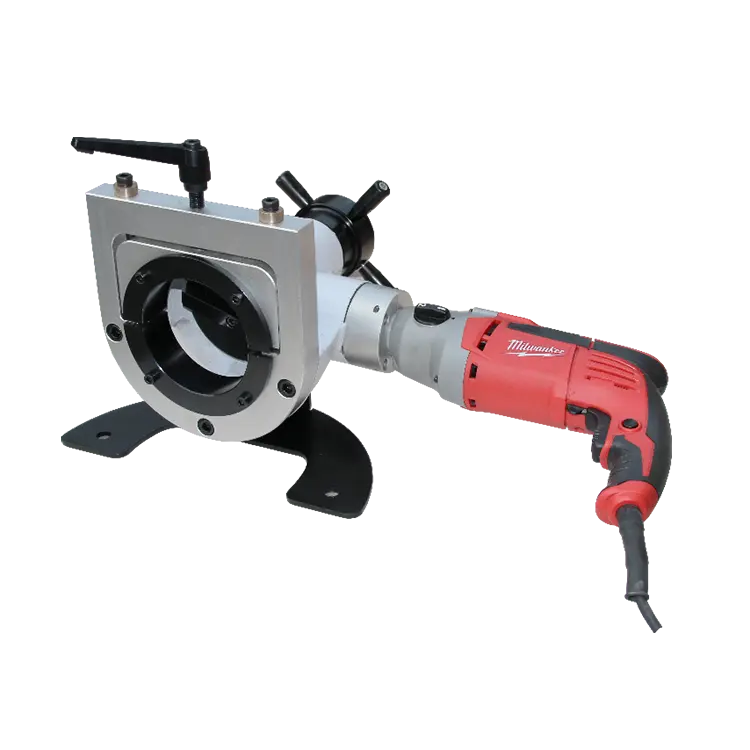
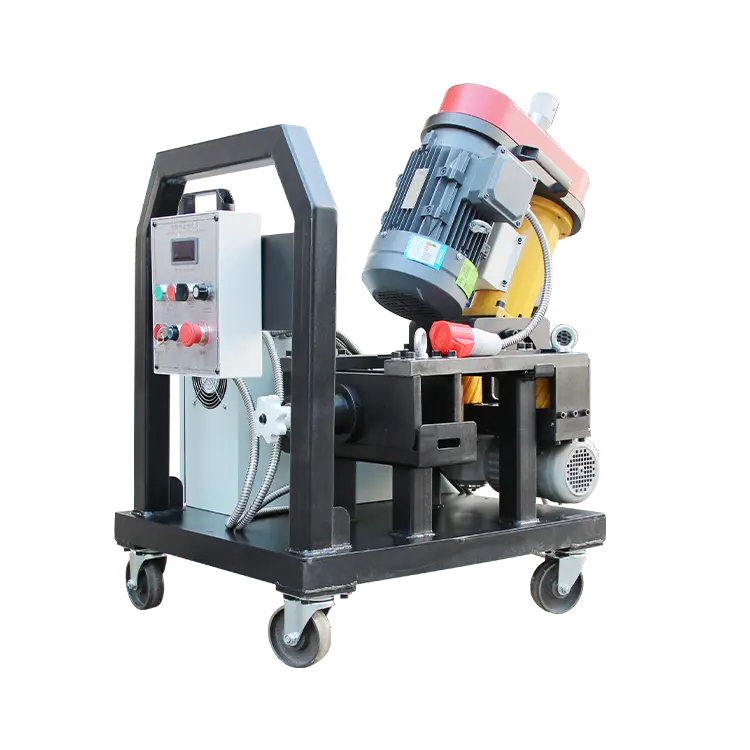
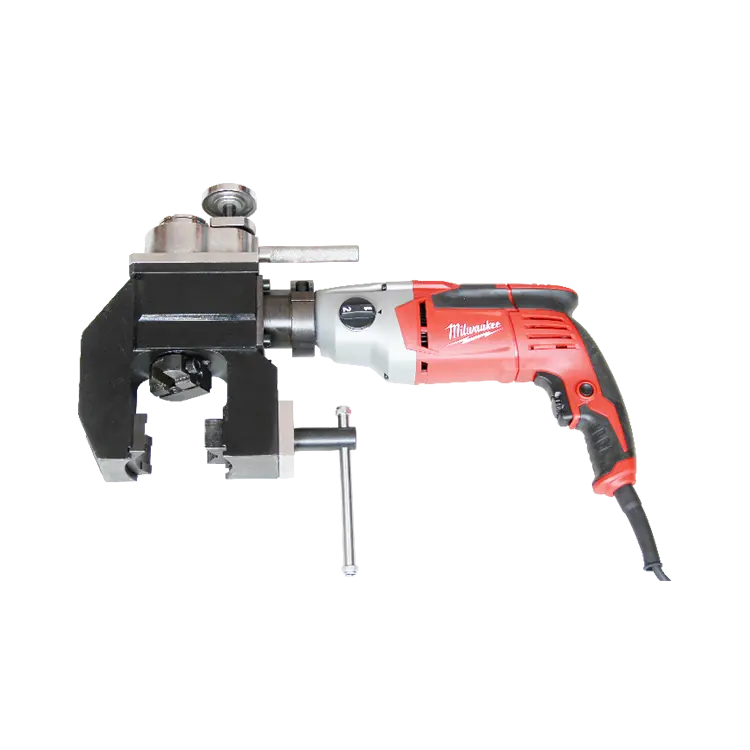
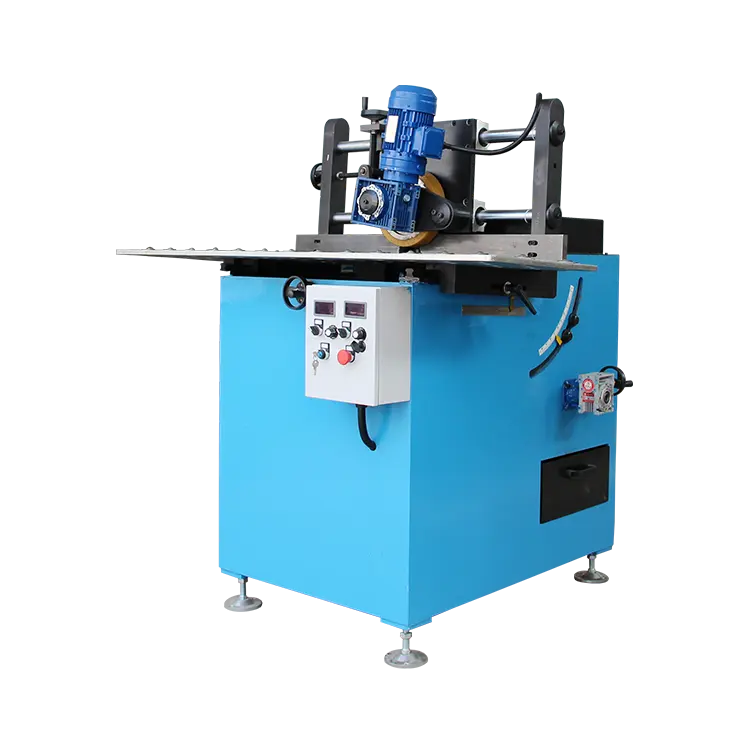
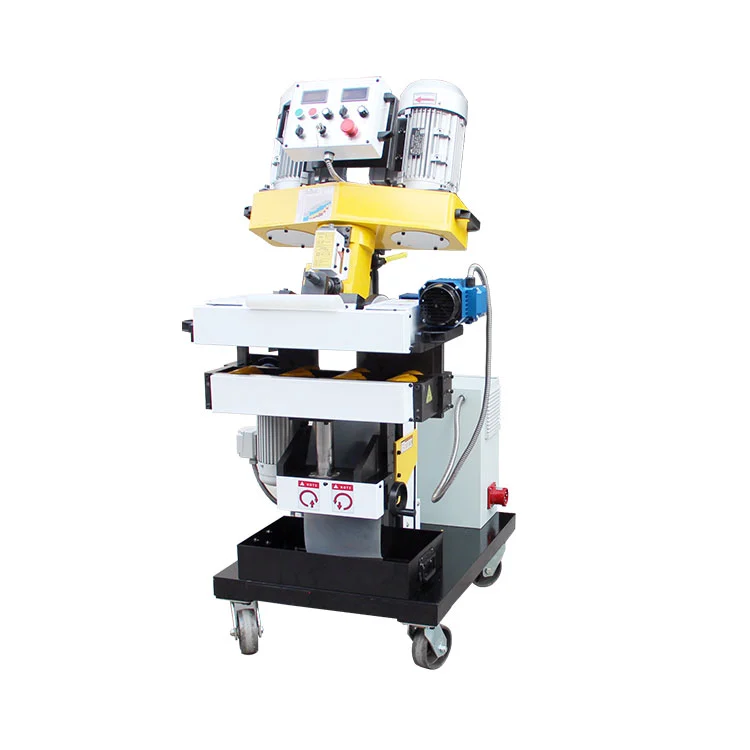
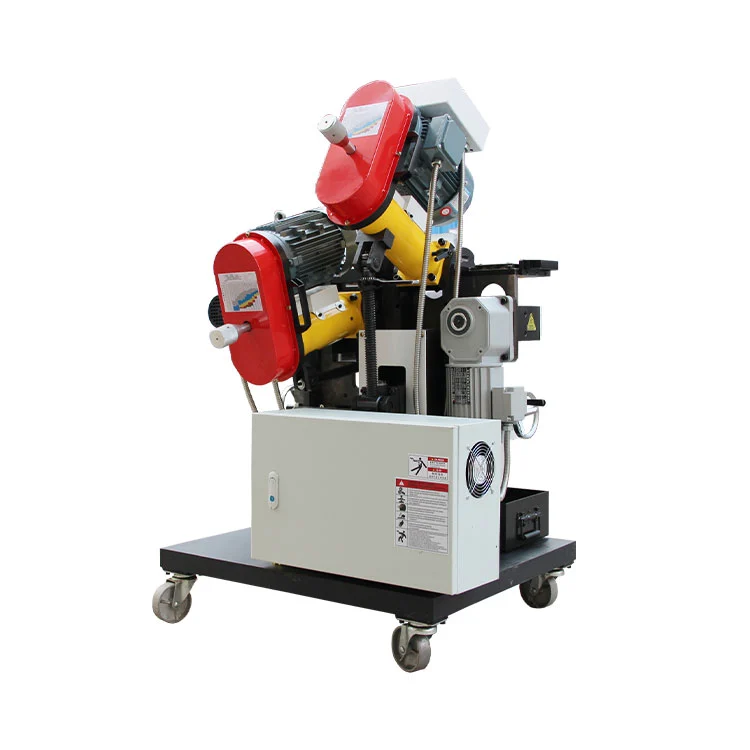
When it comes to preparing steel plates for high-quality welding, the Steel Plate Milling Beveling Machine has become an essential tool in modern fabrication. As a leading manufacturer, Xianjin Pipeline offers advanced milling beveling solutions that combine precision, efficiency, and durability. This blog explores the what, why, how, which, and when of steel plate milling beveling machines, helping you make informed decisions for your production line.

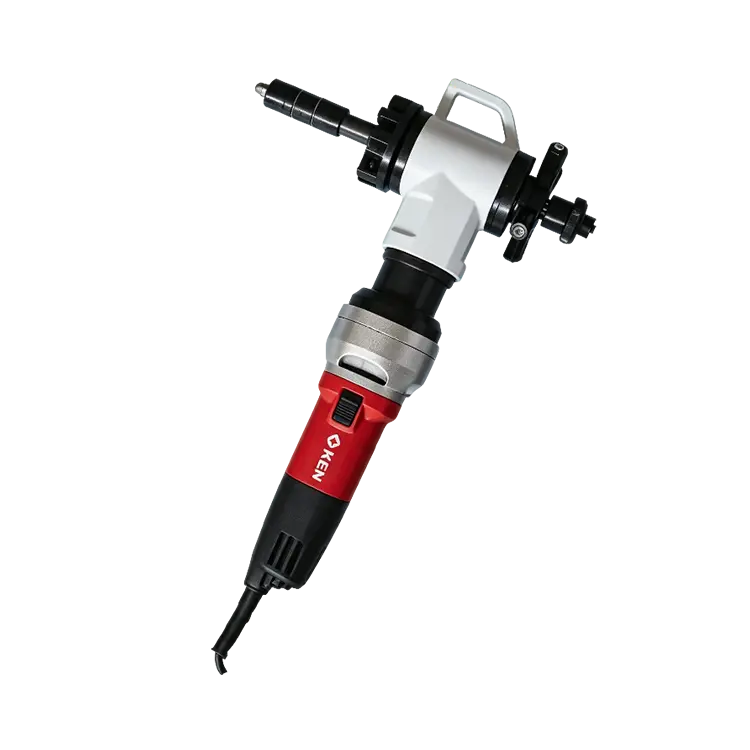
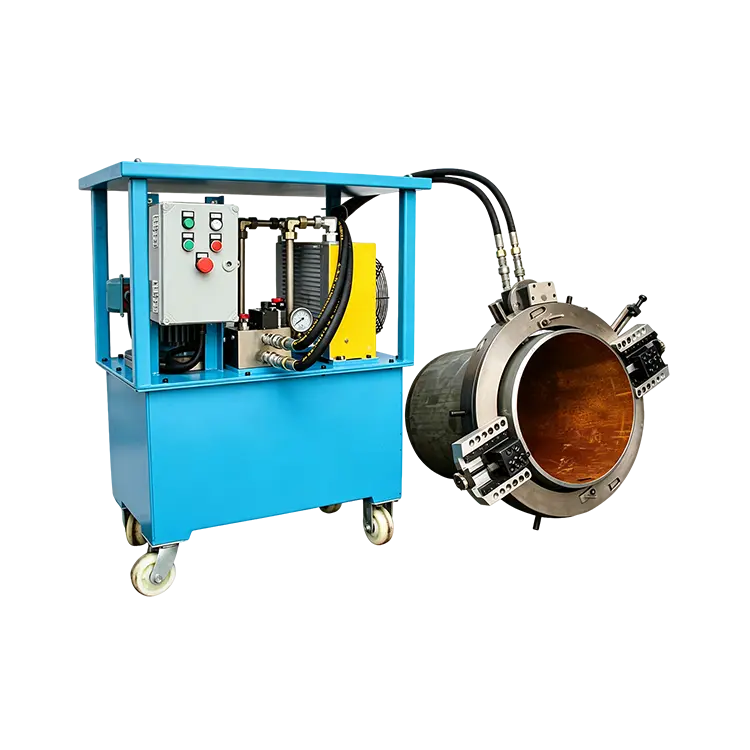
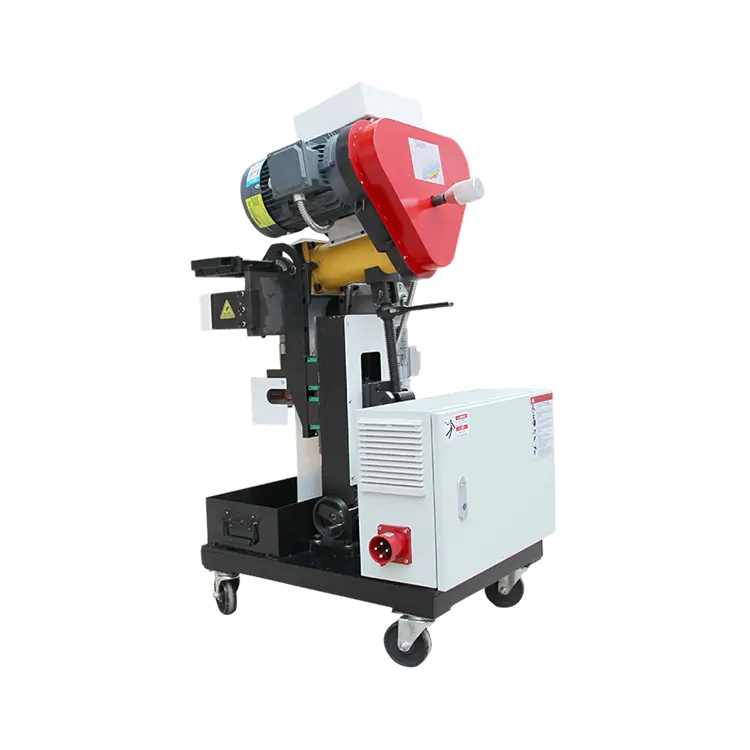
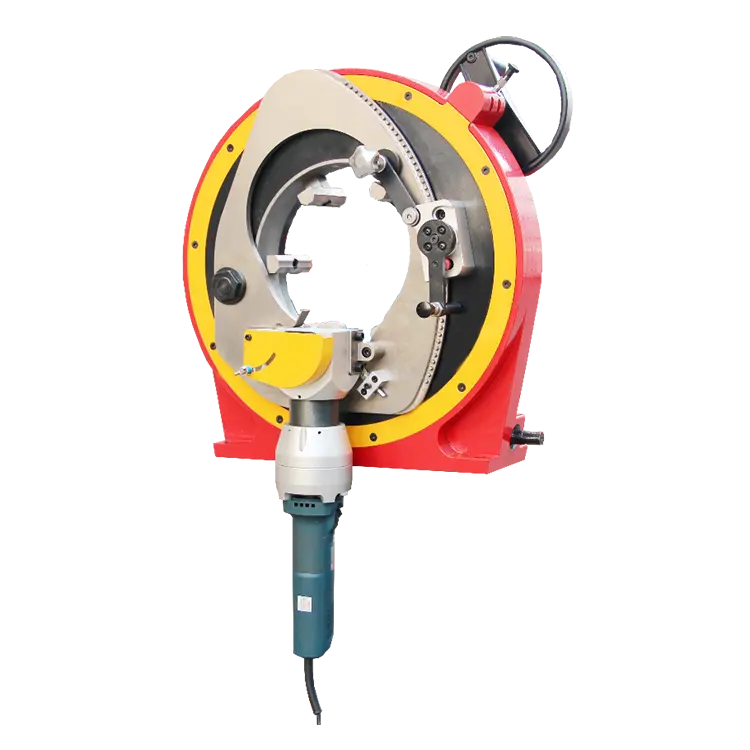
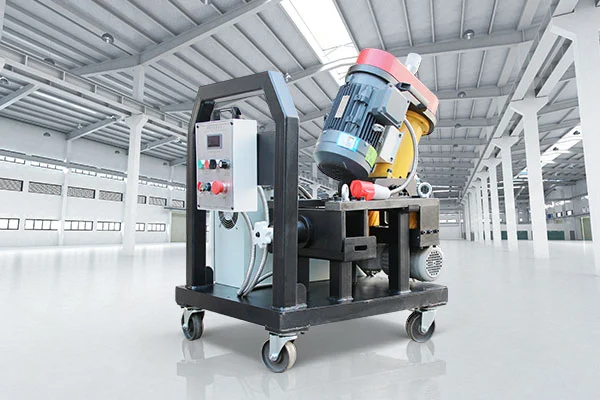
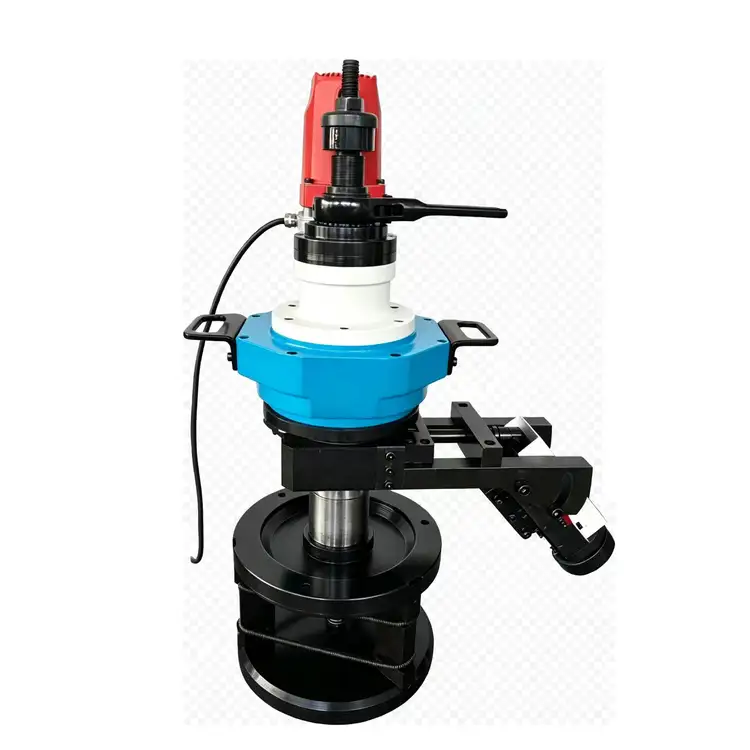
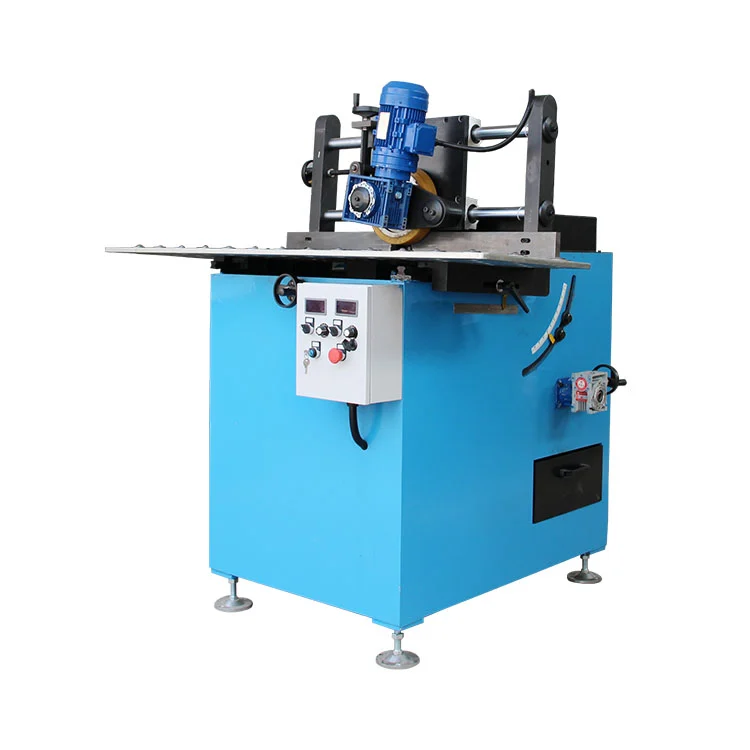
Steel Plate Milling Beveling Machine

Article Summary

This article provides a comprehensive guide to steel plate milling beveling machines. You will learn what these machines are, why they are critical for weld preparation, how they work, which factors to consider when choosing a machine, and when to use them. A detailed comparison table and a FAQ section are included to address common questions. Whether you are in shipbuilding, pressure vessels, or structural steel, this guide will help you optimize your beveling process with Xianjin Pipeline's expertise.

Table of Contents

What is a Steel Plate Milling Beveling Machine?

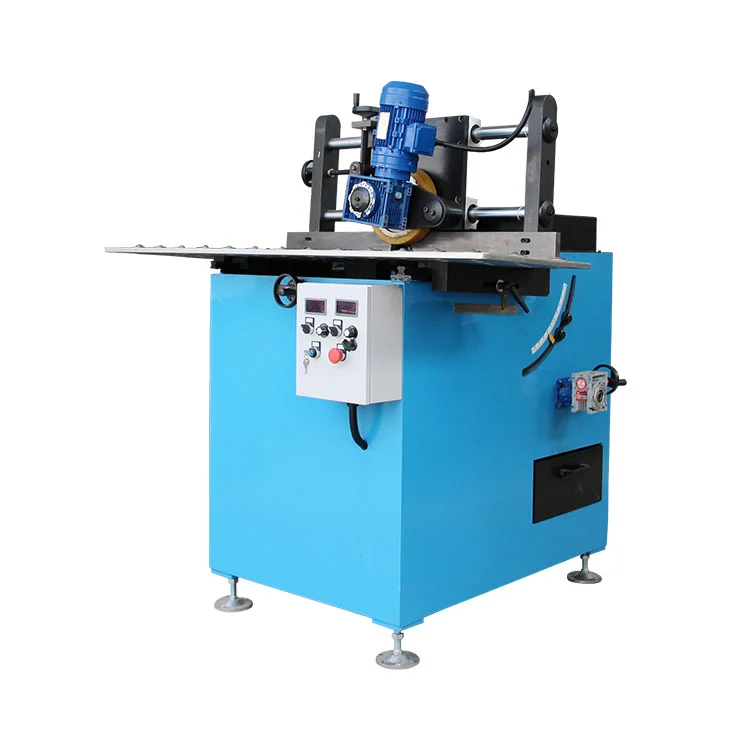
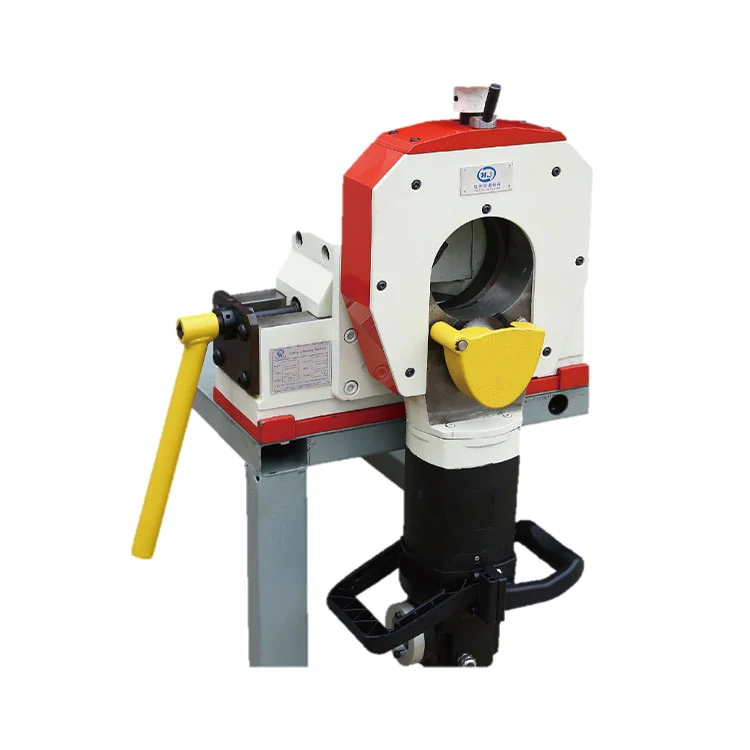
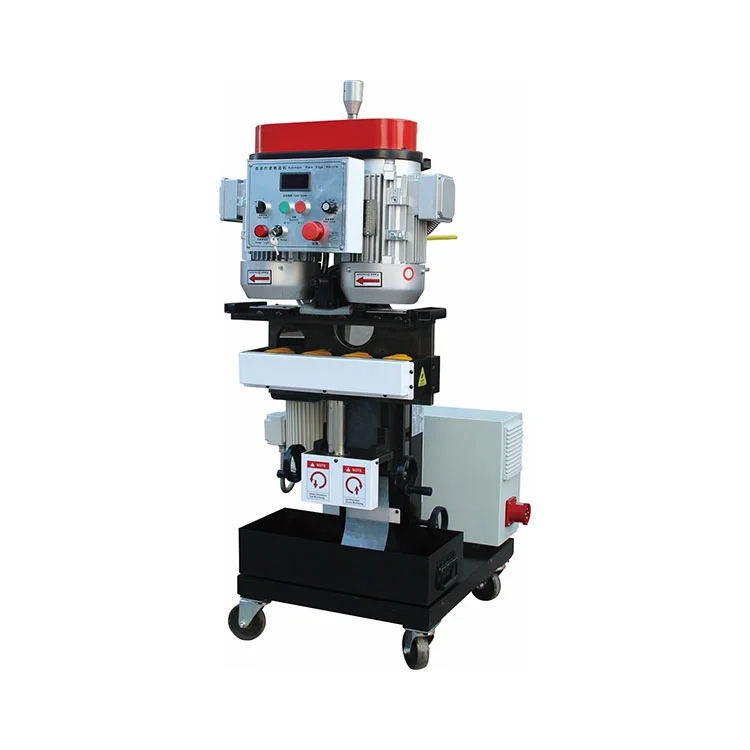
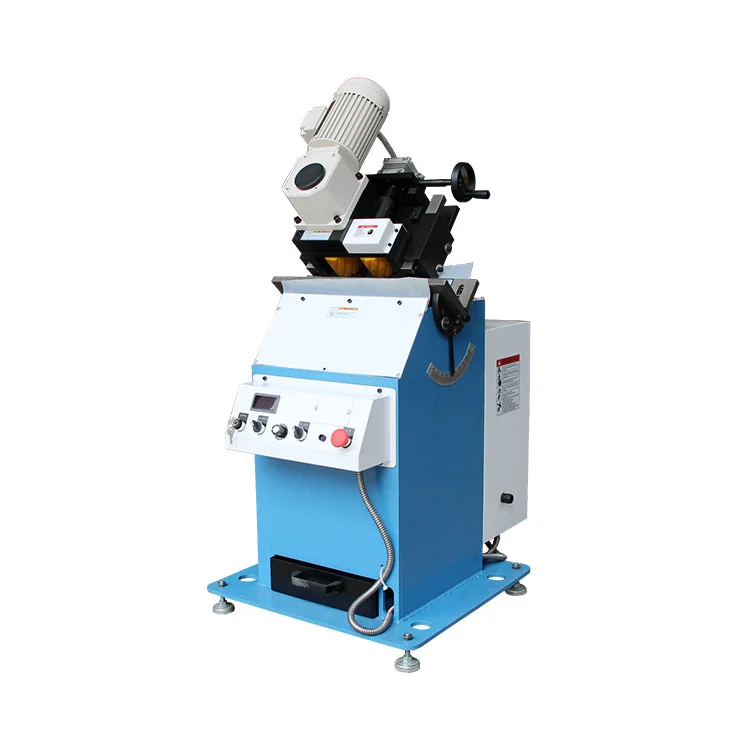
A steel plate milling beveling machine is a specialized piece of equipment used to create precise bevels (angled edges) on steel plates before welding. Unlike grinding or flame cutting, milling beveling uses rotating cutting tools to remove material, producing a smooth, uniform bevel with excellent surface finish. This machine is particularly valued for its ability to handle thick plates and produce accurate bevel angles (e.g., 30°, 45°, or custom angles) with minimal heat distortion. Xianjin Pipeline's milling beveling machines are designed for heavy-duty industrial use, offering adjustable cutting speeds and feed rates to suit various steel grades.

Why Should You Use a Steel Plate Milling Beveling Machine?

Using a milling beveling machine offers several key advantages over traditional methods like grinding or flame cutting:

  • Superior Weld Quality: Milling produces a clean, smooth bevel surface free from oxidation and slag, which reduces weld defects and improves joint integrity.
  • High Precision: Accurate bevel angles and uniform edges ensure consistent weld preparation, reducing rework.
  • No Heat Distortion: Cold milling avoids thermal stress and metallurgical changes, preserving plate properties.
  • Increased Efficiency: Automated feed and high cutting speeds significantly reduce processing time compared to manual grinding.
  • Cost-Effective: Lower consumable costs (no grinding wheels or gas) and reduced labor requirements.

Xianjin Pipeline's machines are engineered to deliver these benefits consistently, even on high-strength steels and thick plates.

How Does a Steel Plate Milling Beveling Machine Work?

A steel plate milling beveling machine operates by clamping the steel plate securely and moving a milling head along the edge. The process typically involves:

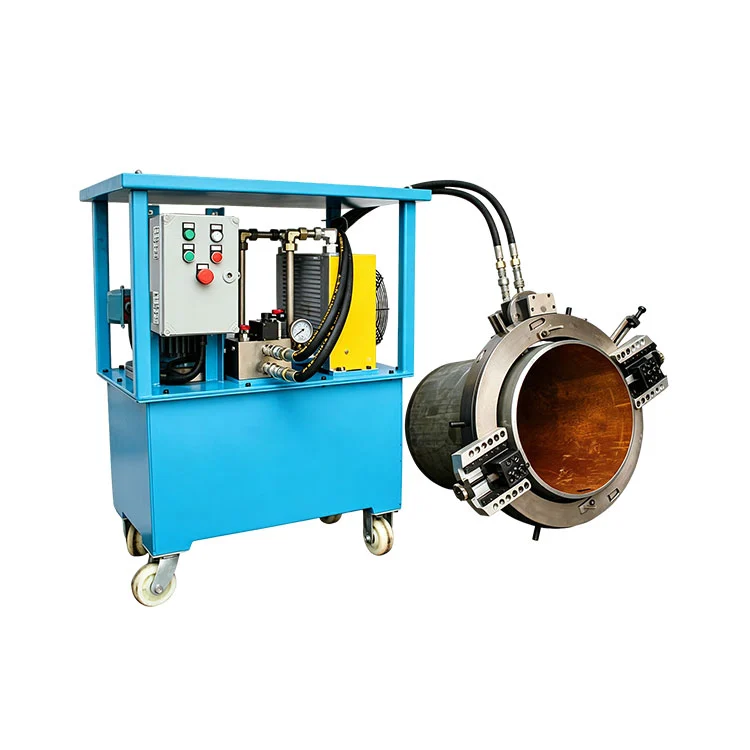
  • Setup and Clamping: The plate is positioned and clamped using hydraulic or mechanical clamps to prevent movement.
  • Milling Head Adjustment: The milling head is set to the desired bevel angle (e.g., 30° or 45°) and depth.
  • Cutting Process: A rotating carbide or high-speed steel cutter removes material in multiple passes, creating a precise bevel. The feed rate and cutting speed are controlled for optimal surface finish.
  • Edge Finishing: The result is a smooth, burr-free bevel ready for welding or further processing.

Xianjin Pipeline's machines feature user-friendly controls, automatic feed systems, and robust construction for reliable operation in demanding environments.

Which Steel Plate Milling Beveling Machine Is Right for You?

Selecting the right machine depends on your production requirements. Consider the following factors:

  • Plate Thickness: Machines are rated for specific thickness ranges. Choose a model that covers your typical and maximum plate thickness.
  • Bevel Angle Range: Ensure the machine can achieve the angles you need (e.g., 0° to 60°).
  • Automation Level: Manual, semi-automatic, or fully automatic feed systems affect productivity and labor costs.
  • Plate Width and Length: Consider the machine's maximum plate size capacity.
  • Power and Speed: Higher power and variable speed control improve efficiency on hard materials.
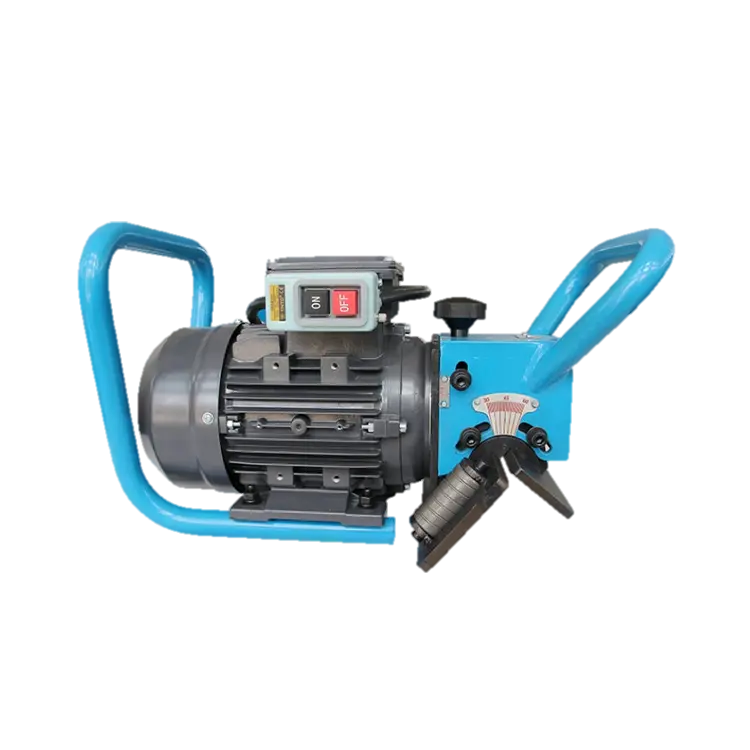
  • Mobility: Stationary or portable models suit different workshop layouts.

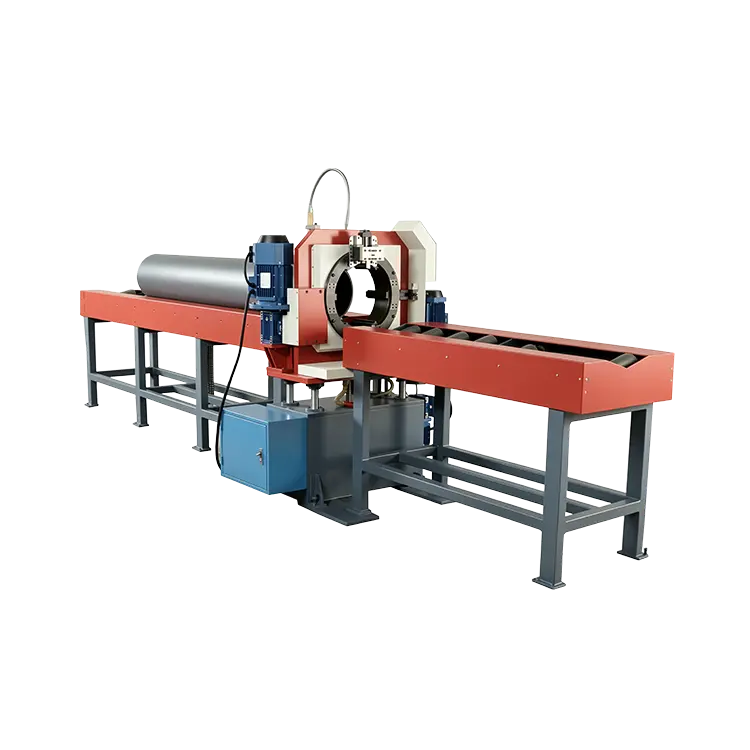
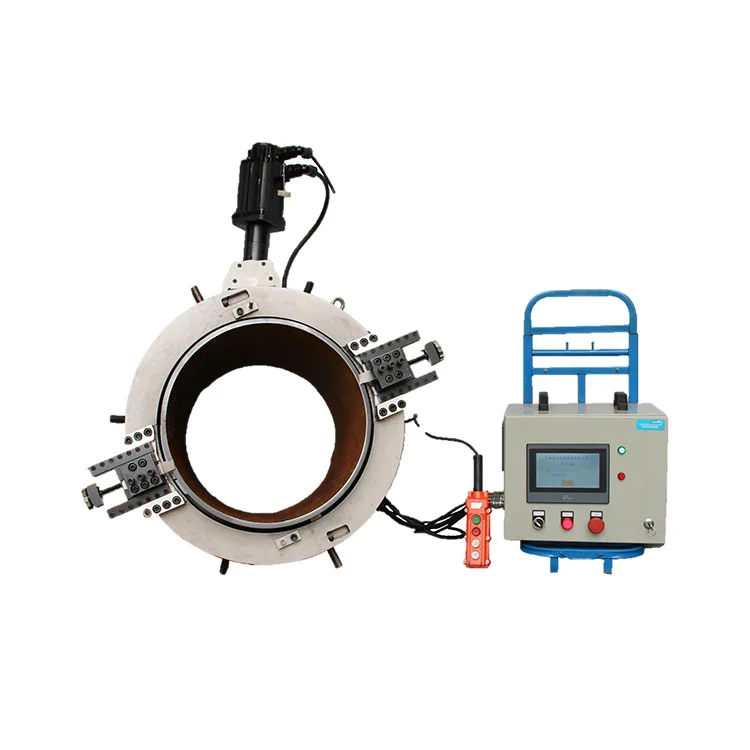
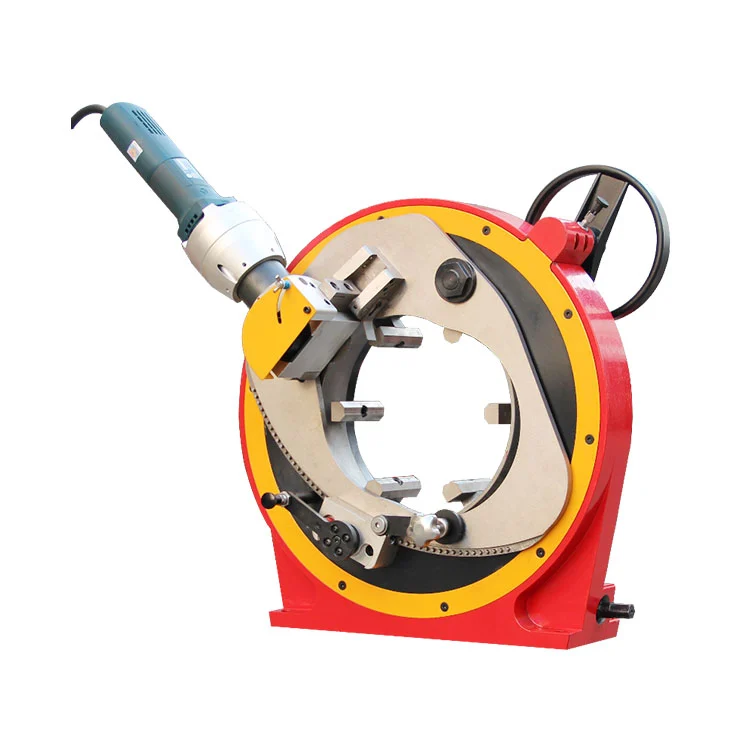
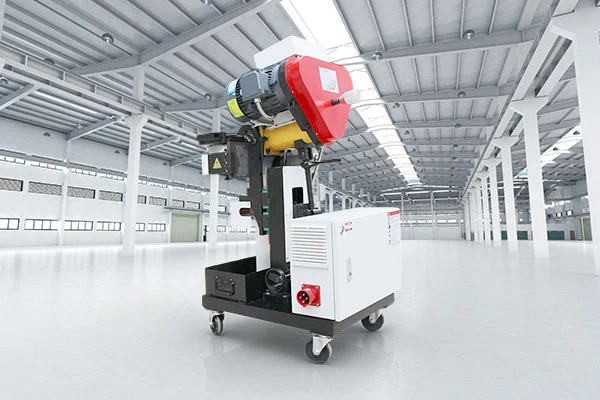
Xianjin Pipeline offers a range of models from compact portable units to heavy-duty stationary machines, all built with precision and durability in mind.

When Should You Use a Steel Plate Milling Beveling Machine?

You should consider a milling beveling machine when:

  • Welding Thick Plates: For plates over 10mm, milling provides better bevel quality and efficiency than grinding.
  • High-Quality Weld Requirements: Critical applications like pressure vessels, offshore structures, and bridges demand clean, precise bevels.
  • High-Volume Production: Automated milling beveling reduces cycle times and labor costs.
  • Materials Sensitive to Heat: For quenched and tempered steels, cold milling avoids heat-affected zone issues.
  • Strict Dimensional Accuracy: When bevel angle and surface finish must meet tight tolerances.

Xianjin Pipeline's machines are ideal for shipbuilding, structural steel, wind energy, and heavy machinery industries where reliability and precision are paramount.

Comparison of Beveling Methods

Method Bevel Quality Heat Distortion Speed Cost Best For
Milling Beveling Excellent (smooth, precise) None High Moderate (low consumables) Thick plates, high-quality welds
Grinding Fair (manual, inconsistent) Low Low Low (labor-intensive) Thin plates, small jobs
Flame Cutting Good (but oxidation) High Medium Low (gas costs) Thick plates, field work
Plasma Cutting Good Medium High Moderate Various thicknesses, speed

FAQ

Q: What is the maximum plate thickness a milling beveling machine can handle?
A: Xianjin Pipeline's standard models can handle plates up to 100mm thick, with custom solutions available for thicker plates.

Q: Can a milling beveling machine produce a J-bevel or compound bevel?
A: Yes, with adjustable milling heads and programmable controls, our machines can produce J-bevels, compound bevels, and custom profiles.

Q: How often do I need to replace the milling cutters?
A: Cutter life depends on material and usage. Carbide inserts typically last 20-50 hours of cutting time, and they are easily replaceable.

Q: Is a milling beveling machine suitable for stainless steel?
A: Yes, with appropriate cutting tools and parameters, our machines can bevel stainless steel and other alloys effectively.

Q: What maintenance is required?
A: Regular cleaning, lubrication, and cutter inspection are recommended. Xianjin Pipeline provides detailed maintenance schedules and support.

Contact Us

Ready to upgrade your steel plate beveling process? Xianjin Pipeline is here to help you choose the perfect milling beveling machine for your needs. With decades of experience and a commitment to quality, we provide customized solutions, competitive pricing, and reliable after-sales service. Contact us today to discuss your requirements, request a quote, or schedule a consultation. Let Xianjin Pipeline be your trusted partner in precision steel fabrication.

Related News
Leave me a message
X
We use cookies to offer you a better browsing experience, analyze site traffic and personalize content. By using this site, you agree to our use of cookies. Privacy Policy
RejectAccept